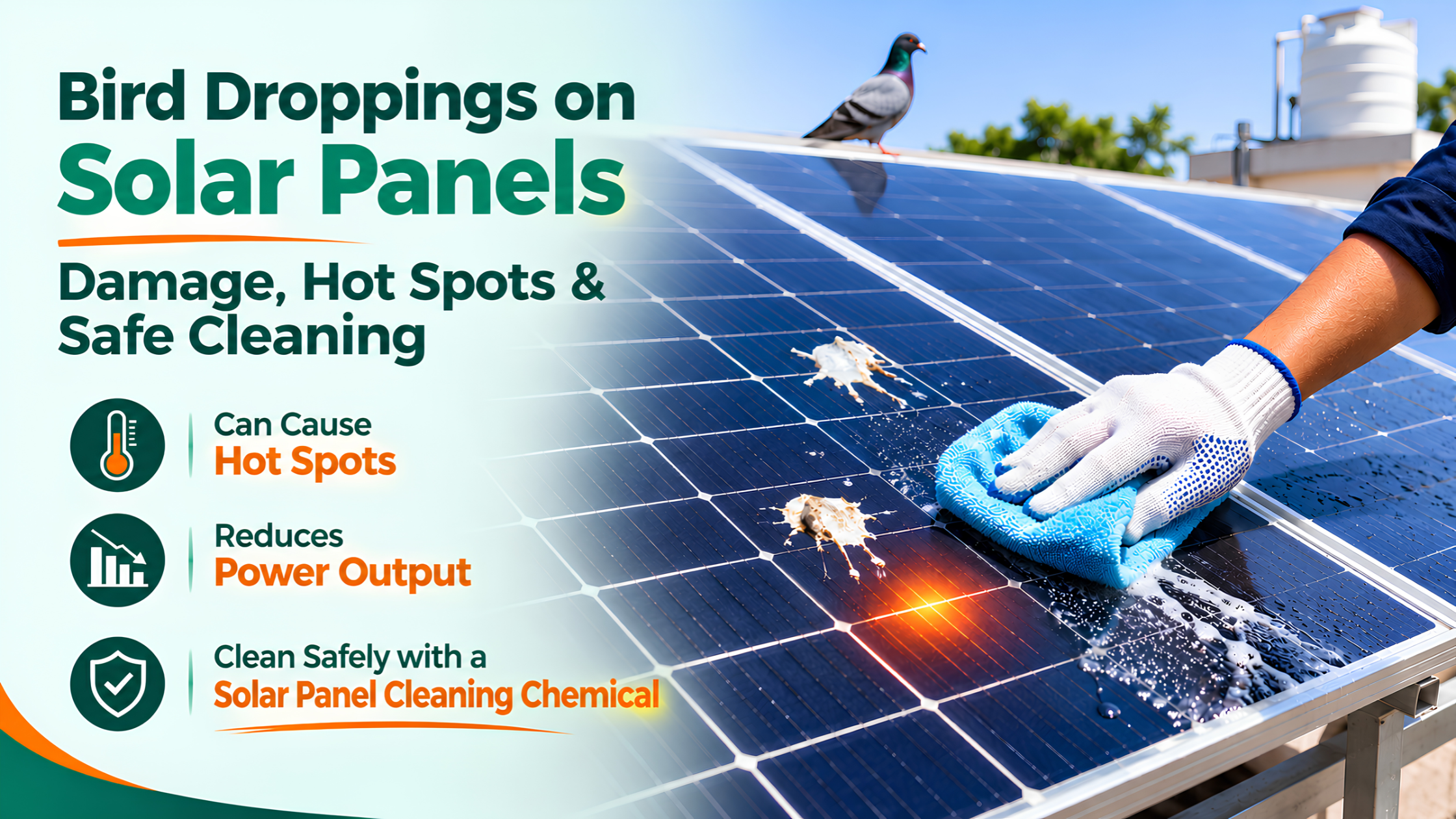
| A few bird droppings on solar panels might look harmless, but they are more than a cosmetic problem. Unlike an even layer of dust, droppings block light on a small, specific area of the panel, and that is exactly where trouble starts.
In this guide, you will learn how bird droppings on solar panels lead to hot spots, how to spot the warning signs, how to remove droppings safely without scratching the glass and how to keep birds away afterwards. |
QUICK ANSWER
Bird droppings on solar panels shade a few cells almost completely. Those cells produce less current than their neighbours, heat up and can form a hot spot that lowers output and, over time, can damage the module. Remove droppings early: soften them with water or a non-acidic solar cleaning liquid, wipe gently with a soft brush or cloth and rinse. Never scrape them dry. A purpose-made solar panel cleaning chemical such as Solargent is designed to lift baked-on droppings without scratching the glass. |
|
1–2
patches can trigger a hot spot
|
|
|
Days
to bake on in peak summer
|
|
|
0
scraping, blades or pressure washers
|
|
🔍 Why Bird Droppings on Solar Panels Are Worse Than Normal Dust
Dust usually settles in a fairly even layer, so every cell loses a little sunlight. Droppings are different: they land in thick patches that shade a few cells almost completely.
|
🌫️
Normal dust
Spread: across the whole panel
Output: gradual, even drop
Heat risk: low
Removal: usually rinses off |
|
|
🐦
Bird droppings
Spread: one or two thick patches
Output: sharp drop on shaded cells, often more than the patch size suggests
Heat risk: higher, shaded cells can overheat
Removal: needs soaking and gentle wiping |
|
Prompt cleaning matters, and a solar-specific product helps. See how a solar panel cleaning chemical made for Indian conditions deals with droppings, dust and pollution film.
🔥 How Bird Droppings Cause Hot Spots on Solar Panels
A solar panel is made of cells connected in series, like lights on one string. If one cell gets less sunlight, it limits what the others can deliver. Here is how that leads to a hot spot:
|
|
A patch shades a cell
Droppings block sunlight on one or more cells. |
|
|
The cell cannot keep up
Neighbouring cells keep pushing current through the shaded one, which cannot produce as much. |
|
|
The shaded cell heats up
Instead of generating power, it gives off energy as heat, creating a hot spot. |
|
|
Bypass diodes step in
The panel’s bypass diodes route current around the affected section, which protects the panel but cuts its output. |
|
|
Repeated heating adds stress
If shading continues for long periods, the extra heat can discolour or degrade the material around the cell. |
This is not just a Solargent view. DNV’s Zondits explains that shading a single cell in a series string reduces current and creates a hot spot, which cuts output and can damage cells (Zondits by DNV). A Maxeon white paper also lists bird droppings among the common causes of shading, and warns that unmanaged heat build-up in shaded cells can damage the encapsulant, back sheet, cells and glass (Maxeon white paper, 2024).
| ⚠️ Watch out: A hot spot is often invisible from the ground. Look for brown or yellow marks and repeated dips in generation, or ask your installer to check with a thermal camera if you suspect a problem. |
🐦 Why Birds Keep Choosing Your Solar Panels
|
☀️
Warm, flat surfaces
Panels warm up in the sun and offer a smooth place to rest, especially at flatter tilts. |
|
|
💧
Water tanks and terraces
Open water tanks, grain or leftover food attract pigeons, crows and parakeets. |
|
|
🚜
Perches nearby
Parapets, railings, wires and trees give birds a convenient place to land first. |
|
|
🔄
Repeat visits
Birds often return to the same spot, so one patch usually becomes a pattern. |
|
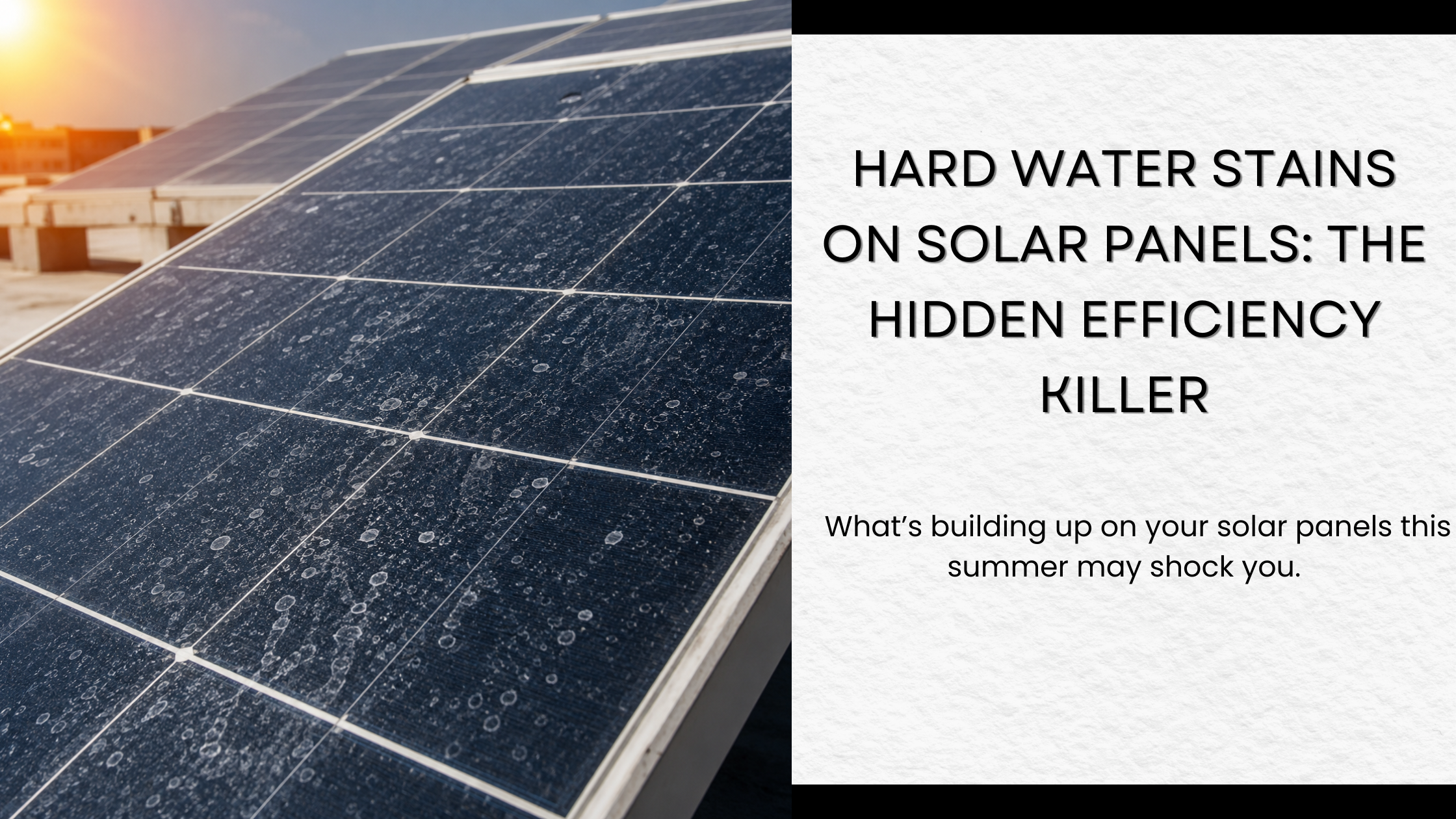
In peak summer, droppings dry and bake onto the glass within days, which makes them harder to remove. Our guide to protecting solar panels during peak summer in India covers the wider heat-and-dust picture.
🚨 Signs You Have a Bird-Dropping Problem on Your Solar Panels
| ✔ |
White, grey or dark crusts on the glass, often near the top edge |
| ✔ |
The same spots getting dirty again after every clean |
| ✔ |
A drop in generation that does not match the weather |
| ✔ |
Brown or yellow marks around cells |
| ✔ |
Birds regularly landing or nesting near the array |
🧹 How to Remove Bird Droppings from Solar Panels Safely
Gentle and patient beats fast and forceful. Follow these steps:
|
|
Step 1: Choose a cool time
Work in the early morning or evening. Avoid direct harsh sunlight, which dries both the cleaner and the droppings too fast. |
|
|
Step 2: Put safety first
Use stable footing, never step on the panels and follow your module manufacturer’s cleaning guidelines. Call a professional for steep or high roofs. |
|
|
Step 3: Soften the droppings
Spray clean water or a solar cleaning liquid over the patch and let it sit for a few minutes. Do not let the liquid dry on the glass. |
|
|
Step 4: Wipe gently
Use a soft brush, nylon scrubber or microfibre cloth. Never use blades, metal scrapers or steel wool. |
|
|
Step 5: Rinse thoroughly
Wash away all residue with clean water and look for leftover marks. |
|
|
Step 6: Repeat only where needed
If a stubborn spot remains, soften it again rather than scrubbing harder. |
For homes, a ready-to-use product such as Solargent RTU keeps this simple. It is non-acidic and phosphate-free, needs no mixing, and is used by spraying, working with a nylon scrubber or soft brush and rinsing with clean water.
|
Do
✔ Clean in the early morning or evening
✔ Soak first, then wipe gently
✔ Use a soft brush, nylon scrubber or microfibre cloth
✔ Rinse with clean water until no residue remains
|
|
|
Don’t
✘ Scrape droppings dry
✘ Use blades, metal scrapers or steel wool
✘ Use pressure washers or harsh household chemicals
✘ Walk on the panels
|
|
| ⚠️ Watch out: Avoid pressure washers, scraper tools and harsh household chemicals. They can scratch the glass, damage the coating or push water into places it should not go. If your rinse water is hard, read about hard water stains on solar panels too. |
🛡️ How to Keep Birds Away from Your Solar Panels
|
🛠️
Bird-proof the edges
Fit mesh or guards along the array edge so birds cannot nest underneath. Ask your installer to fit it without drilling into the modules. |
|
|
🦕
Block perches
Use humane deterrents, such as anti-perch strips, on nearby parapets and railings. |
|
|
🚫
Remove attractions
Cover water tanks and clear grain, food waste and standing water from the roof. |
|
|
🌳
Trim branches
Trim nearby branches that give birds a launch point, and check the array every week or two. |
|
| 💡 Pro tip: Choose humane, non-harmful methods, and confirm with your installer that any deterrent will not shade the panels or affect your warranty. |
👷 When to Call a Professional
Some jobs are better left to trained cleaners or your installer:
| ! |
Steep, high or hard-to-reach roofs |
| ! |
Large rooftop or ground-mounted arrays |
| ! |
Repeated dips in output on the same string |
| ! |
Brown marks, discolouration or cracked glass on any panel |
✨ How Solargent Helps Remove Bird Droppings and Pollution Buildup
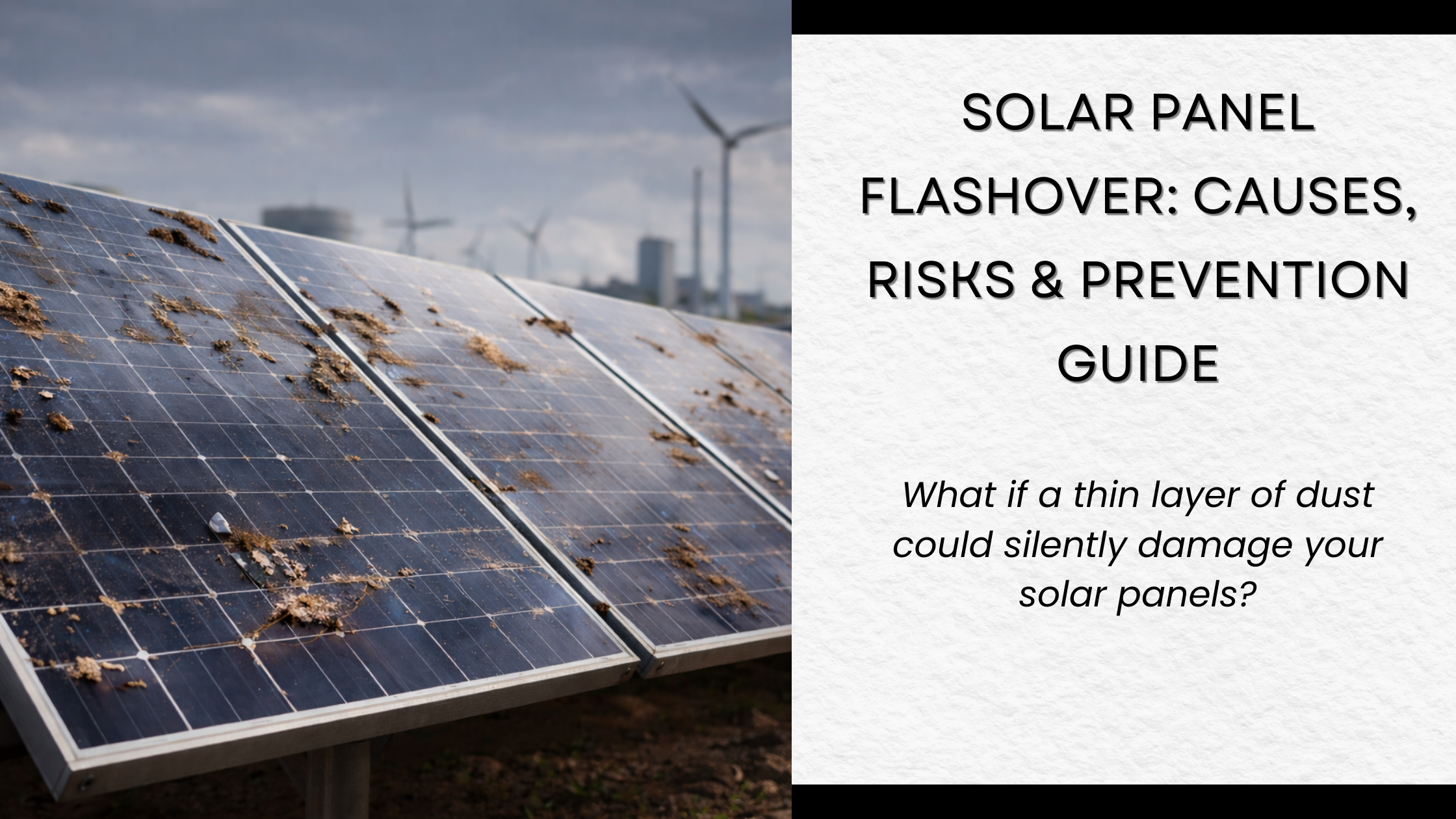
Baked-on droppings are exactly where plain water struggles. Solargent is a solar panel cleaning chemical developed for Indian conditions and is designed to remove tough stains such as bird droppings, industrial pollution, flashover residue and stubborn surface contaminants without scratching solar glass.
Why it helps
| ✔ |
It restores glass clarity, so more sunlight reaches your cells and output can recover |
| ✔ |
The streak-free, residue-free finish leaves nothing behind to attract the next layer of dust |
| ✔ |
The eco-friendly, biodegradable and module-friendly formula is non-acidic and phosphate-free |
| ✔ |
It reduces the scrubbing you need, which protects the glass and the coating |
| ✅ Key fact: The Solargent way to clean droppings: spray, let it soften the patch for a few minutes, wipe gently with a nylon scrubber or soft brush, then rinse with clean water. |
Choose your formula
|
🧴
Solargent RTU
Ready to use, no mixing. Ideal for home rooftops and small systems. 2-litre and 5-litre packs on Amazon India.
Buy Solargent RTU |
|
|
🏭
Solargent C
Concentrated formula for commercial plants, O&M teams, societies with many arrays and large solar farms. 2-litre and 5-litre packs on Amazon India.
Buy Solargent C |
|
Bulk requirement? A 10-litre pack and 20, 35 and 50-litre drums are available on enquiry. Contact the Solargent team for pricing.
|
Key Takeaways
| ✔ |
Droppings shade a few cells almost completely, which is why they can hurt output more than an even layer of dust. |
| ✔ |
Shaded cells can overheat and form hot spots that lower output and may damage the module over time. |
| ✔ |
Remove droppings early: soak, wipe gently with soft tools and rinse. Never scrape them dry. |
| ✔ |
Use a non-acidic, phosphate-free, module-friendly cleaner and avoid pressure washers. |
| ✔ |
Prevent repeat visits with humane deterrents, bird-proofing and a clean, food-free roof. |
| ✔ |
Keep a purpose-made cleaner such as Solargent RTU at home so droppings never get the chance to bake on. |
|
|
“
A small patch of droppings can hurt output more than its size suggests.
|
❓ Frequently Asked Questions About Bird Droppings on Solar Panels
QDo bird droppings really damage solar panels?▾
Yes, they can. Bird droppings block light on a few cells, which cuts output and can create hot spots. The risk grows when droppings stay for weeks and bake onto the glass. Removing them early with water or a non-acidic cleaner such as Solargent RTU keeps the problem small.
QWhat is a hot spot on a solar panel?▾
A hot spot is a small area of a panel that runs much hotter than the cells around it. It usually happens when a cell is shaded, for example by bird droppings, and gives off energy as heat instead of producing power. Persistent hot spots can damage the module, so remove the cause early and ask your installer to inspect if you notice discolouration.
QHow quickly should I remove bird droppings from solar panels?▾
Remove them as soon as it is safe to do so, ideally within a few days. Fresh droppings soften easily. Dried, sun-baked patches need more soaking and are harder to clean, particularly in Indian summers.
QCan I remove bird droppings with just water?▾
Fresh droppings often come off with soaking and a soft brush, but dried or oily patches need a cleaning liquid. A solar-safe liquid like Solargent RTU helps loosen stubborn residue so you do not have to scrub hard. Always rinse well afterwards.
QIs it safe to use a pressure washer or scraper on solar panels?▾
No. Avoid pressure washers, blades and metal scrapers. They can scratch the glass, damage coatings and force water into edges and junction areas. Soft tools, low-pressure water and a gentle cleaner such as Solargent do the job without the risk.
QWhich cleaner is safe for bird droppings on solar panels?▾
Use a non-acidic, phosphate-free, module-friendly solar cleaning liquid, such as Solargent RTU. Avoid harsh household chemicals. Spray, let it soften the droppings, wipe with a nylon scrubber or soft brush and rinse with clean water. Follow your module manufacturer’s cleaning guidelines.
QHow can I stop birds from sitting on my solar panels?▾
Block nesting spaces, remove food and water attractions, and use humane deterrents on nearby perches. Bird-proofing mesh along the array edge, anti-perch strips on parapets and covered water tanks all reduce visits. Ask your installer to fit anything near the panels so it does not shade the modules.
QWill cleaning bird droppings affect my solar warranty?▾
Warranty terms differ by manufacturer, so follow your module manufacturer’s cleaning guidelines. Gentle cleaning with soft tools and a module-friendly cleaner such as Solargent is the standard approach. If you are unsure, check your warranty document or ask your installer before you clean or add deterrents.
QCan Solargent remove bird droppings from solar panels?▾
Yes. Solargent is a solar panel cleaning chemical designed to remove bird droppings, dust, pollution buildup and flashover residue without scratching solar glass when used as directed. Spray, let it soften the patch, wipe gently and rinse with clean water.
QShould I buy Solargent RTU or Solargent C for bird droppings?▾
For a home rooftop or a small system, choose Solargent RTU because it needs no mixing. For commercial plants, O&M teams and large solar farms, Solargent C is the concentrated option, and bulk packs are available on enquiry.
Final Word: Act Early, Clean Gently, Prevent Repeats
Bird droppings are one of the most avoidable causes of power loss on a rooftop system. Clean them early, use soft tools and a module-friendly cleaner, and deal with the reason birds keep landing there. A few minutes of care now protects both your output and your panels, and a trusted solar panel cleaning chemical like Solargent makes that care quicker and easier. For more practical guides, visit the Solargent blog.
|
Need a Safe Cleaner for Bird Droppings and Dust?
Pick Solargent RTU for your rooftop or Solargent C for your plant. Order on Amazon India, or contact us for bulk packs and dedicated support.
Get a Free Quote
|
Follow Solargent: Facebook · Instagram