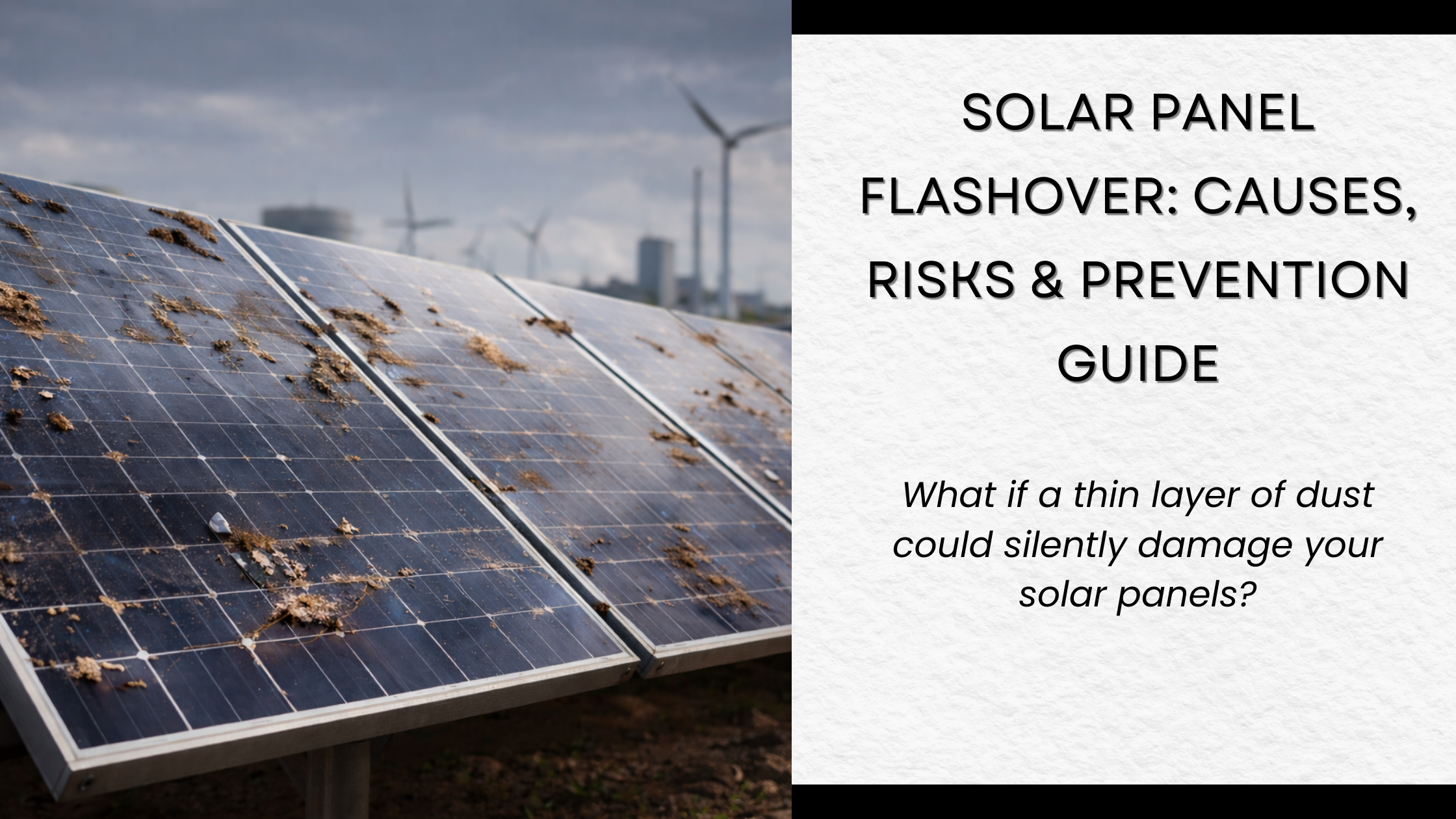
| Diwali lights up India, but the smoke, ash and fine particles from fireworks do not disappear when the festival ends. They drift, settle and often land on rooftop solar panels. At the same time, the haze that follows can reduce the sunlight reaching them.
This guide to solar panel cleaning after Diwali explains what happens to your output, how to tell dirty glass from a hazy sky and how to clean your panels safely. |
QUICK ANSWER
After Diwali, fine smoke, ash and soot settle on rooftop panels, and haze cuts sunlight, so output can dip. For solar panel cleaning after Diwali, wait a day or two for the ash to settle, rinse loose ash gently with low-pressure water, then deep clean with a non-acidic solar cleaning liquid if a film remains. In smog-prone cities, repeat a light rinse every two weeks through the winter. A solar panel cleaning chemical built for Indian pollution, such as Solargent, helps lift the soot film that water leaves behind. |
|
2
Causes of a post-Diwali dip
|
|
|
1–2 days
wait for ash to settle
|
|
|
2 weeks
rinse gap in smog season
|
|
🎇 What Diwali Leaves on Your Solar Panels
|
⚫
Soot and ash film
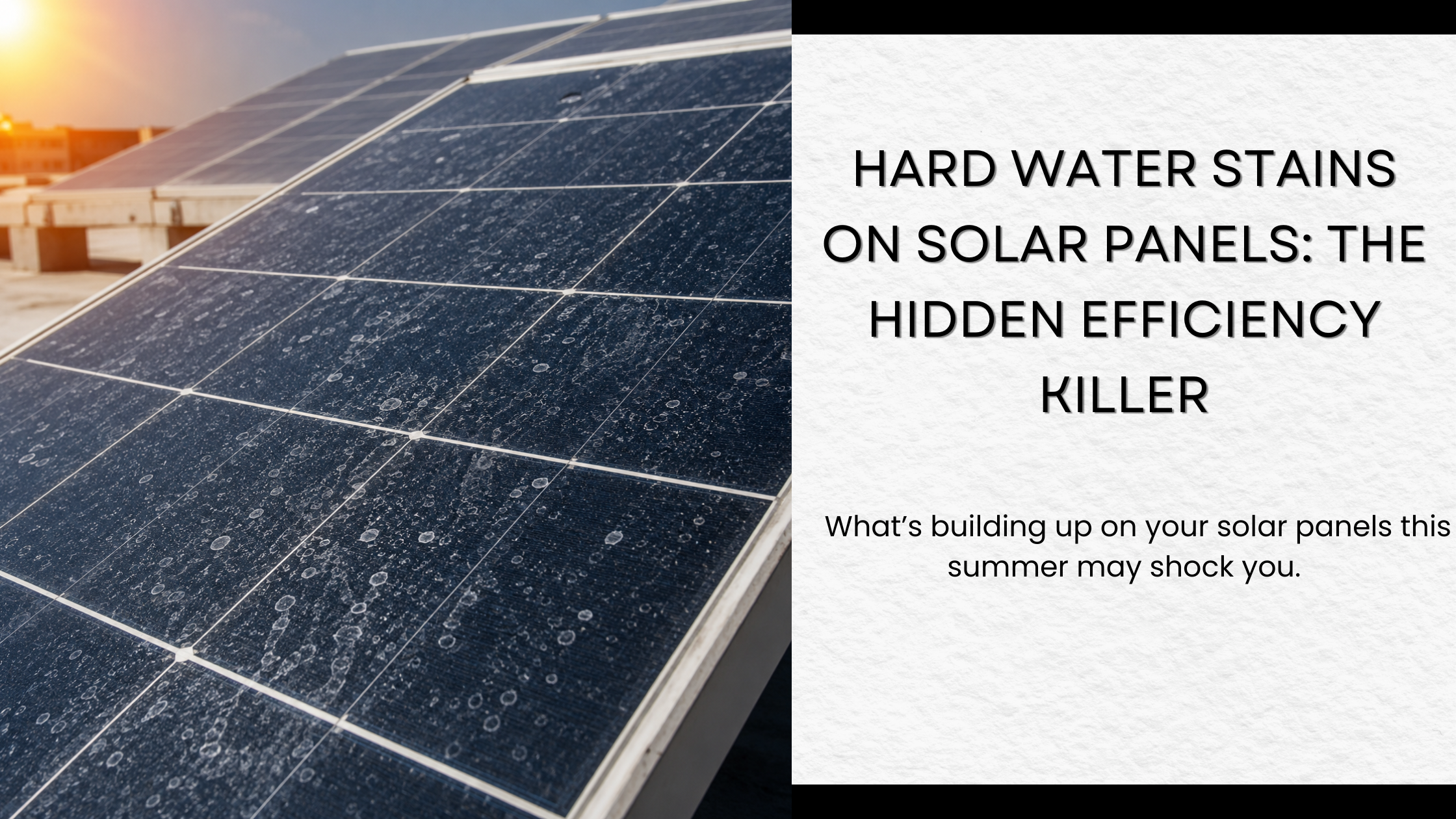
Fine black and grey powder from burnt crackers that smears when wiped dry. |
|
|
🌫️
Fine particulate matter
Tiny particles from smoke settle slowly and form a thin haze on the glass. |
|
|
📄
Cracker debris
Paper bits, burnt residue, and sparks that land on and around the array. |
|
|
💧
Sticky haze with dew
Cool nights add dew, which mixes with soot into a film that holds more dust. |
|
Two Ways Diwali Pollution Cuts Solar Output
Not every post-Diwali dip comes from dirty glass. There are two separate causes:
|
🌫️
1. Haze in the air
Smoke and fine particles scatter and absorb sunlight before it reaches your panels. Cleaning cannot fix this; it clears as the air does. |
|
|
🧹
2. Deposits on the glass
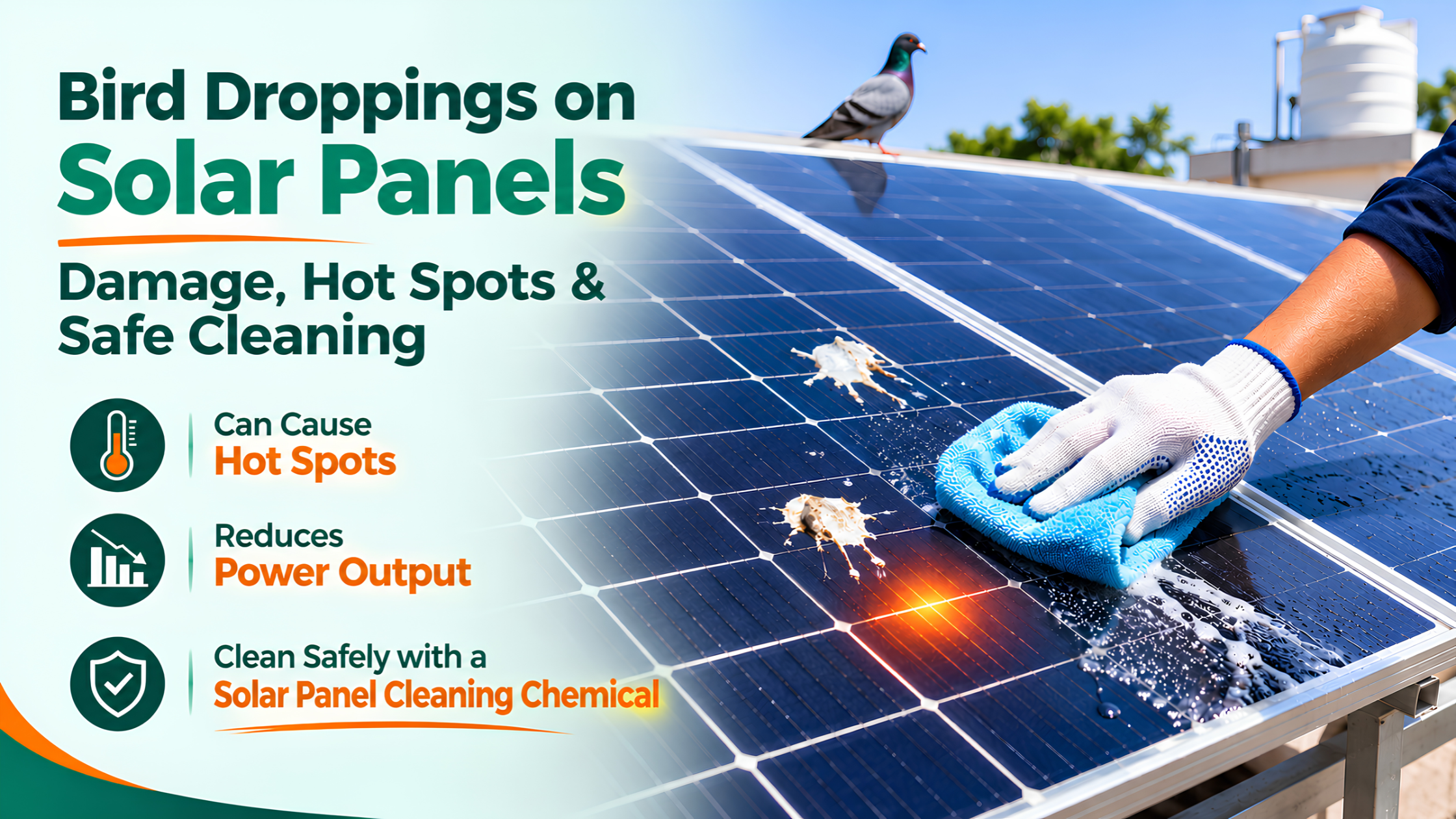
Soot, ash, and fine particles settle on the panel surface and block or scatter light. This is the part you can fix by cleaning. |
|
Research backs this split. A Duke University-led study of solar panels in India found that dust and particulate matter can cut efficiency by 17% to 25%, with roughly half the loss from particles deposited on the panel surface and the rest from ambient haze, a condition known as solar dimming. Festival smoke makes both parts worse: AP reported thick smog over Delhi the day after Diwali 2025, when fireworks pushed air pollution to hazardous levels.
| 💡 Pro tip: To tell the difference, clean your panels and compare output with a day of similar weather. If generation jumps after cleaning, dirty glass was costing you power. If it is still lower on a hazy day, the sky is the main cause. |
| ✅ Key fact: After Diwali, rooftop solar panels can lose output from two causes: haze in the air that reduces sunlight, and soot and ash on the glass. Cleaning only fixes the second. A non-acidic solar cleaning liquid such as Solargent RTU helps remove the soot film that plain water leaves behind. |
Why Post-Diwali Film Is Harder to Remove
In much of North India, the weeks after Diwali are largely dry, so there is little rain to wash the panels. Cooler nights add dew and fog, which mix with soot to form a sticky layer that rinsing alone may not lift.
| What you see |
How it looks |
What helps |
| Ash and soot |
Dark, powdery film that smears when wiped dry |
Rinse first with low-pressure water |
| Fine particulate matter |
Thin grey haze that stays after rinsing |
A non-acidic solar cleaning liquid |
| Dew plus soot |
Sticky layer that traps more dust |
Clean after the dew dries, then rinse well |
| Cracker debris |
Paper bits, burnt residue and scorch marks |
Remove by hand, then inspect glass and cables |
A dedicated dust removal chemical for solar panels is made to lift this kind of bonded film, which is why it works better than water alone on post-festival grime.
Solar Panel Cleaning After Diwali: Step by Step
|
|
Step 1: Check the roof first
Remove unburnt crackers, paper and debris from the roof and around the array. Look for burn marks, cracks or damaged cables before you start. |
|
|
Step 2: Let the ash settle
Wait a day or two after the biggest nights so fresh ash and smoke are not still landing on freshly cleaned panels. |
|
|
Step 3: Pick the right time
Clean once the morning dew has dried, in the cooler hours of the day, and avoid harsh midday sun. |
|
|
Step 4: Rinse off loose ash
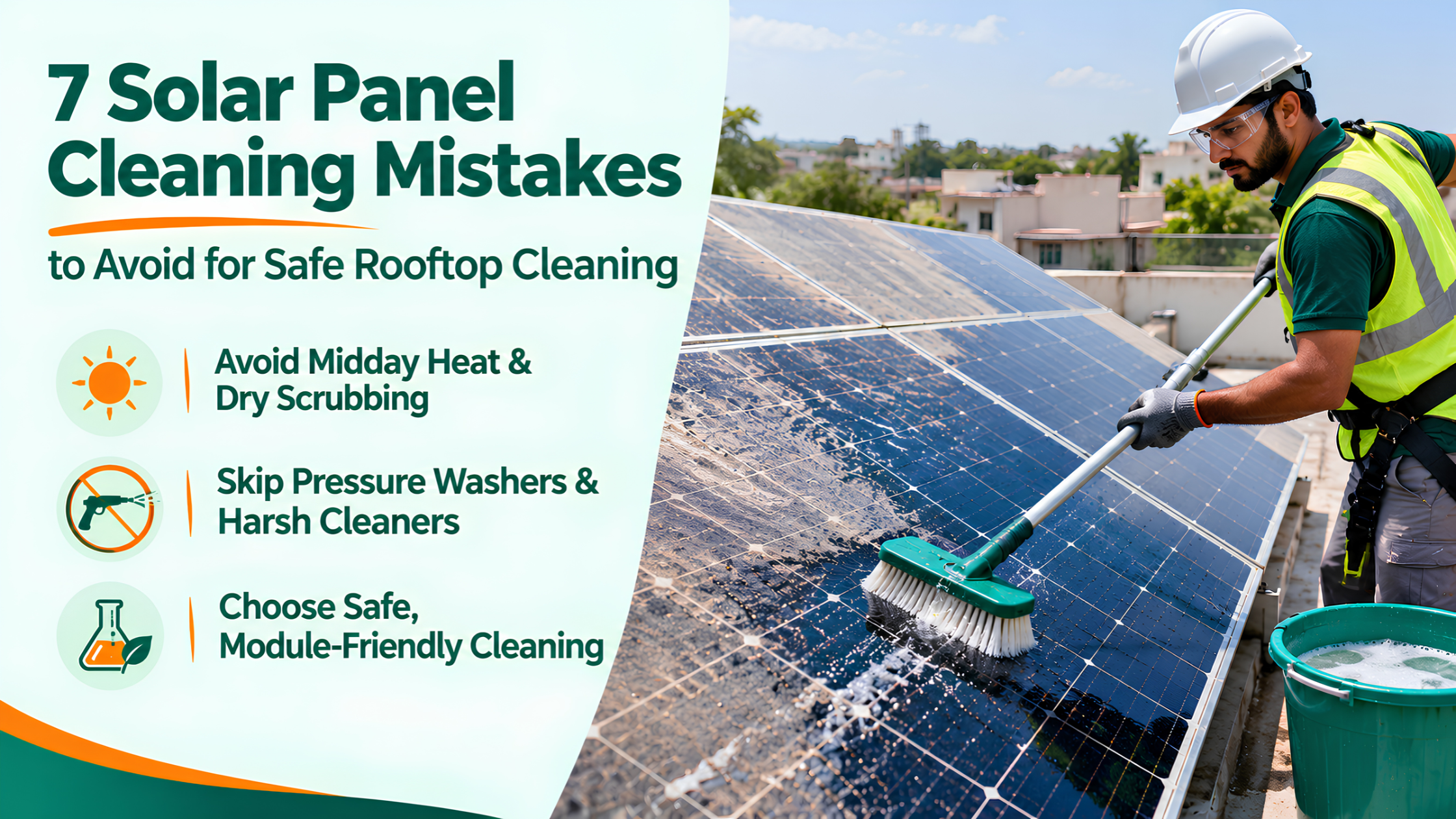
Use low-pressure clean water. Do not dry-wipe, because dry ash and grit can scratch the glass. |
|
|
Step 5: Apply the cleaning liquid
Spray a ready-to-use cleaner such as Solargent RTU, work it gently with a soft brush or nylon scrubber, and let it loosen the soot film. |
|
|
Step 6: Rinse and inspect
Wash off all residue, let the glass air dry, and check for streaks, scorch marks or cracks. Call your installer if you see damage. |
| ⚠️ Watch out: Fire safety: keep fireworks well away from your array next year. Sparks and rockets can damage glass, cables and wiring. For general cleaning mistakes to avoid, see our guide to common rooftop solar panel cleaning errors in the Solargent blog. |
How Often to Clean Solar Panels During the Smog Season
From November to January, air quality in many north Indian cities stays poor, so panels collect fine particles quickly.
| Where you live |
Suggested routine |
| Smog-prone north Indian cities |
Light rinse every two weeks through the smog months; deep clean if a film remains |
| Other metro and industrial areas |
Rinse every two to three weeks; one deep clean after Diwali |
| Lower-pollution areas |
Rinse monthly and clean when generation drops |
Track your daily kWh in your inverter app. A baseline from a clear day before Diwali makes it easy to see when a clean is worth it.
✨ Why Solargent Is Built for Post-Diwali Pollution
Festival soot is one more layer on top of the dust, industrial pollution, and humidity that Indian panels already face. Solargent was developed specifically for these conditions, which is why it suits post-Diwali cleaning.
| ✔ |
Designed for heavy contamination such as industrial smog, cement dust and flashover residue, so a smoky festival film is well within its range |
| ✔ |
Streak-free, residue-free cleaning that restores glass clarity and helps more sunlight reach your cells |
| ✔ |
A non-acidic, phosphate-free, eco-friendly, biodegradable and module-friendly formula |
| ✔ |
Less water per clean, which helps when you rinse more often during smog season |
| ✔ |
A formula designed to keep panels cleaner for longer, so you can cut down repeat cleaning visits |
Choose your formula
|
🧴
Solargent RTU
Ready to use, no mixing. Spray directly on rooftop and residential panels. 2-litre and 5-litre packs on Amazon India, sold by Solargent.
Buy Solargent RTU |
|
|
🏭
Solargent C
Concentrated, high-strength formula for commercial plants, O&M teams and large solar farms.
Buy Solargent C |
|
Housing society or large plant? Ask about the 10-litre pack and 20, 35 and 50-litre drums, plus custom packaging.
|
Key Takeaways
| ✔ |
Diwali smoke, ash and fine particles settle on rooftop panels, and haze can cut sunlight. |
| ✔ |
Wait a day or two for ash to settle, then rinse gently with low-pressure water. |
| ✔ |
Use a non-acidic, phosphate-free cleaner for the soot film that water leaves behind. |
| ✔ |
Compare output with similar-weather days to tell haze from dirty glass. |
| ✔ |
Inspect for cracker damage and keep fireworks away from the array. |
| ✔ |
Keep Solargent RTU ready for the smog season, and choose Solargent C if you manage a plant. |
|
|
“
You can clean the glass after Diwali, but only time clears the sky.
|
❓ Frequently Asked Questions About Solar Panel Cleaning After Diwali
QDo Diwali crackers and smoke reduce solar panel output?▾
Yes, they can. Smoke and fine particles leave a film on the glass, and haze reduces the sunlight reaching your panels. Cleaning removes the film but not the haze. Compare output with a similar-weather day after cleaning with Solargent or plain water to see how much each cause matters.
QHow soon after Diwali should I clean my solar panels?▾
Clean a day or two after the main smoke and ash have settled. Cleaning too early means more ash can land right after. If a grey film is visible or output has dipped, rinse first and use a cleaner such as Solargent RTU if the film stays.
QCan I wait for rain to clean my panels after Diwali?▾
In many regions, the weeks after Diwali are dry, so rain is unlikely to help. Light winter showers can also leave streaks instead of cleaning the glass. A planned rinse and, if needed, a deep clean with Solargent is more reliable.
QCan I wipe ash off solar panels with a dry cloth?▾
No. Rinse with low-pressure water first so dry ash and grit do not scratch the glass. After rinsing, a soft brush or microfibre cloth and a non-acidic cleaner like Solargent RTU lift the remaining soot film.
QWhy is my solar output still low after cleaning post-Diwali?▾
Haze and smog in the air can reduce sunlight even when the panels are spotless. This usually improves as air quality improves. If output stays low on clear days, check for shading, loose connections or damage, and ask your installer to inspect the system.
QWhich cleaner is best for soot and smoke film on solar panels?▾
A non-acidic, phosphate-free, module-friendly cleaner such as Solargent RTU. It is ready to use: spray, work it with a soft brush or nylon scrubber, and rinse with clean water. Follow your module manufacturer’s cleaning guidelines.
QCan firecrackers damage solar panels?▾
Yes. Sparks, rockets and debris can crack glass, mark the surface or damage cables. Inspect your array after the festival for cracks, burn marks and loose wiring, and contact your installer if you find any. Keep fireworks well away from the roof next year.
QHow often should I clean solar panels during winter smog?▾
In smog-prone areas, rinse about every two weeks and deep clean when a film remains. Elsewhere, a monthly rinse is usually enough. Solargent can be used for the deep clean; follow the label for use.
QIs Solargent good for heavy pollution and soot?▾
Solargent is a solar panel cleaning chemical developed for Indian dust, industrial pollution and humidity, including contamination such as industrial smog, cement dust and flashover residue. It is designed to give a streak-free, residue-free finish when used as directed.
QCan housing societies and large solar plants order Solargent in bulk?▾
Yes. Solargent RTU suits rooftops and societies, while Solargent C is the concentrated option for commercial plants and O&M teams. Beyond the 2 and 5 litre packs on Amazon India, a 10 litre pack and 20, 35 and 50 litre drums are available on enquiry, with custom packaging.
Final Word: Clean the Glass, Then Let the Sky Clear
Solar panel cleaning after Diwali does not have to be a chore, and festival season does not have to mean a lasting dip in generation. Give the ash time to settle, rinse gently, deep clean if a film remains, and keep an eye on your numbers through the smog months. The part you control, the glass, is also the easiest part to fix, especially with a cleaner built for Indian pollution like Solargent.
|
Need a Cleaner for Soot, Smoke and Dust?
Choose Solargent RTU for your rooftop or Solargent C for your plant. Order on Amazon India, or contact us for bulk supply and dedicated support.
Get a Free Quote
|
Follow Solargent: Facebook · Instagram