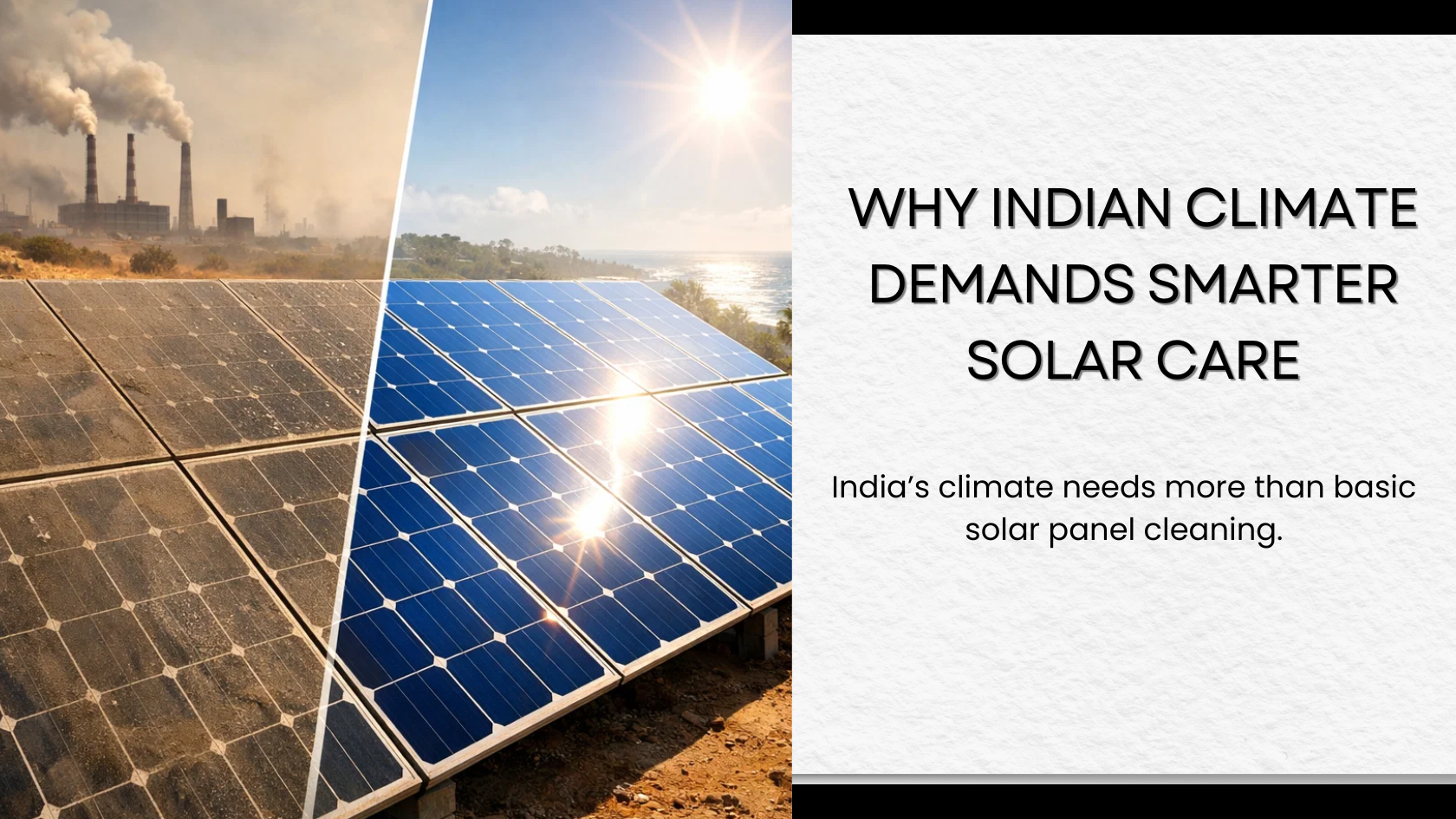
How India’s Climate Impacts Solar Panels and Why Smarter Care Matters
India offers excellent solar potential, but it also presents some of the harshest operating conditions for solar panels. Extreme heat, heavy dust, pollution, humidity, and seasonal monsoons all take a toll on panel performance. The Indian Climate Demands Smarter Solar Care, and without climate-specific maintenance, even high-quality solar systems can underperform. This makes regular solar panel cleaning and proactive, preventive solar care essential—not optional—for sustaining long-term efficiency, system reliability, and higher returns.
Understanding India’s Unique Climate Challenges
Solar panels in India face multiple environmental stress factors throughout the year:
- Extreme heat and prolonged summers accelerate material fatigue and thermal stress
- High dust levels in urban, semi-arid, and construction-heavy regions block sunlight
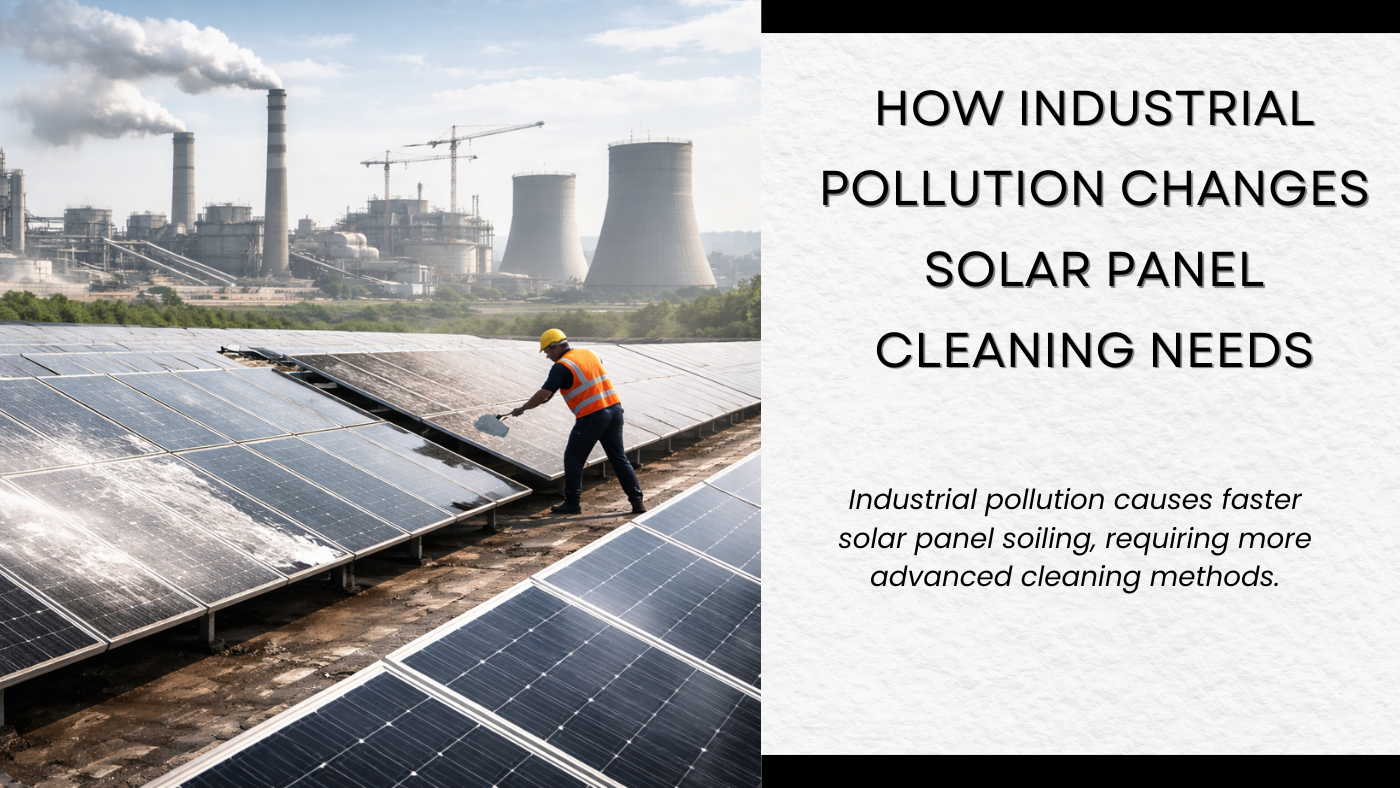
- Industrial pollution creates sticky residue that rain cannot remove
- Coastal humidity and salt deposits increase corrosion and electrical risks
- Monsoon seasons introduce moisture, mineral residue, and uneven dirt patterns
These conditions vary widely across regions, making a one-size-fits-all maintenance approach ineffective.
How Climate Directly Affects Solar Panel Performance
Environmental exposure directly impacts both output and system health:
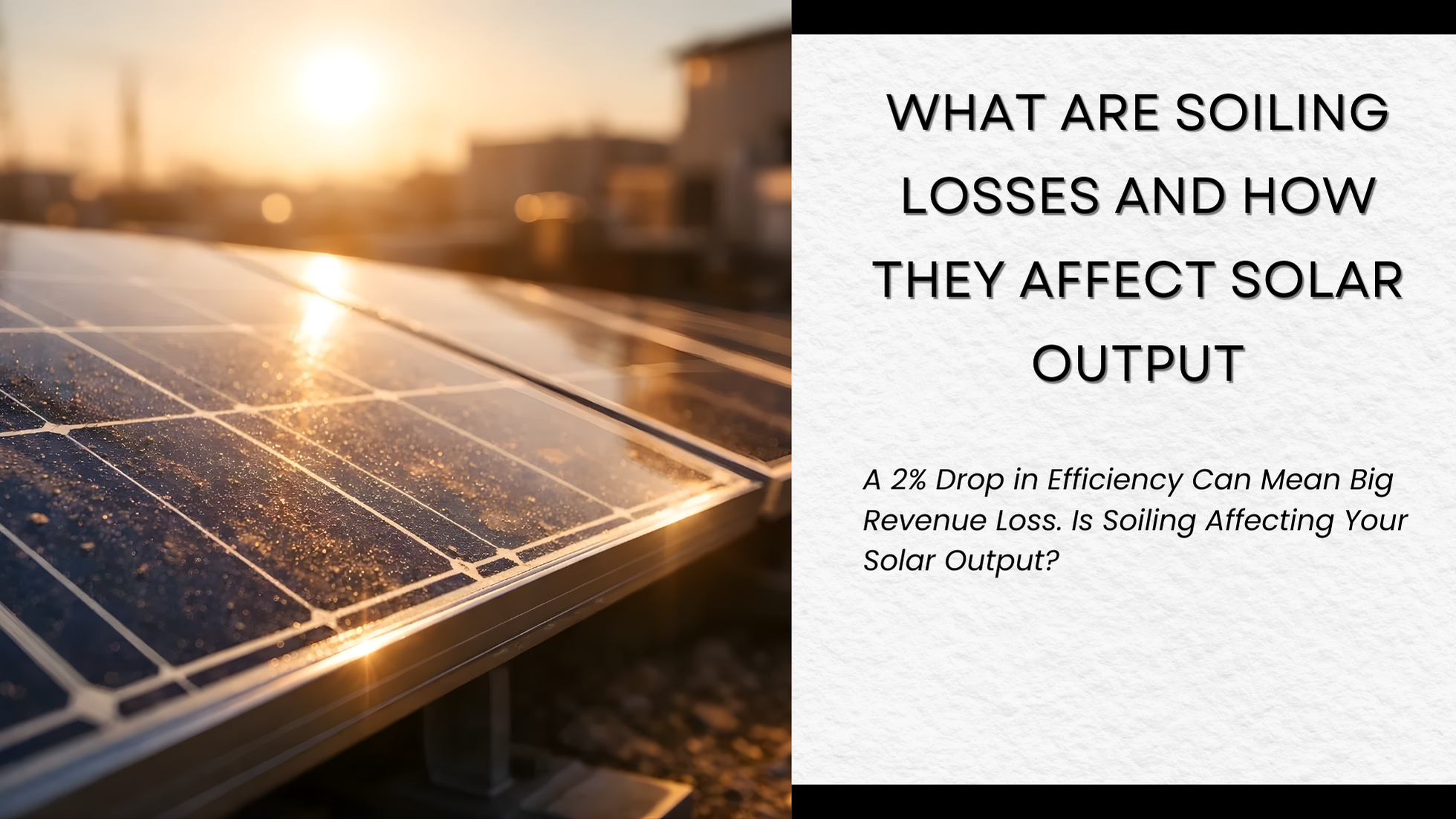
- Dust and grime reduce sunlight absorption, lowering power generation
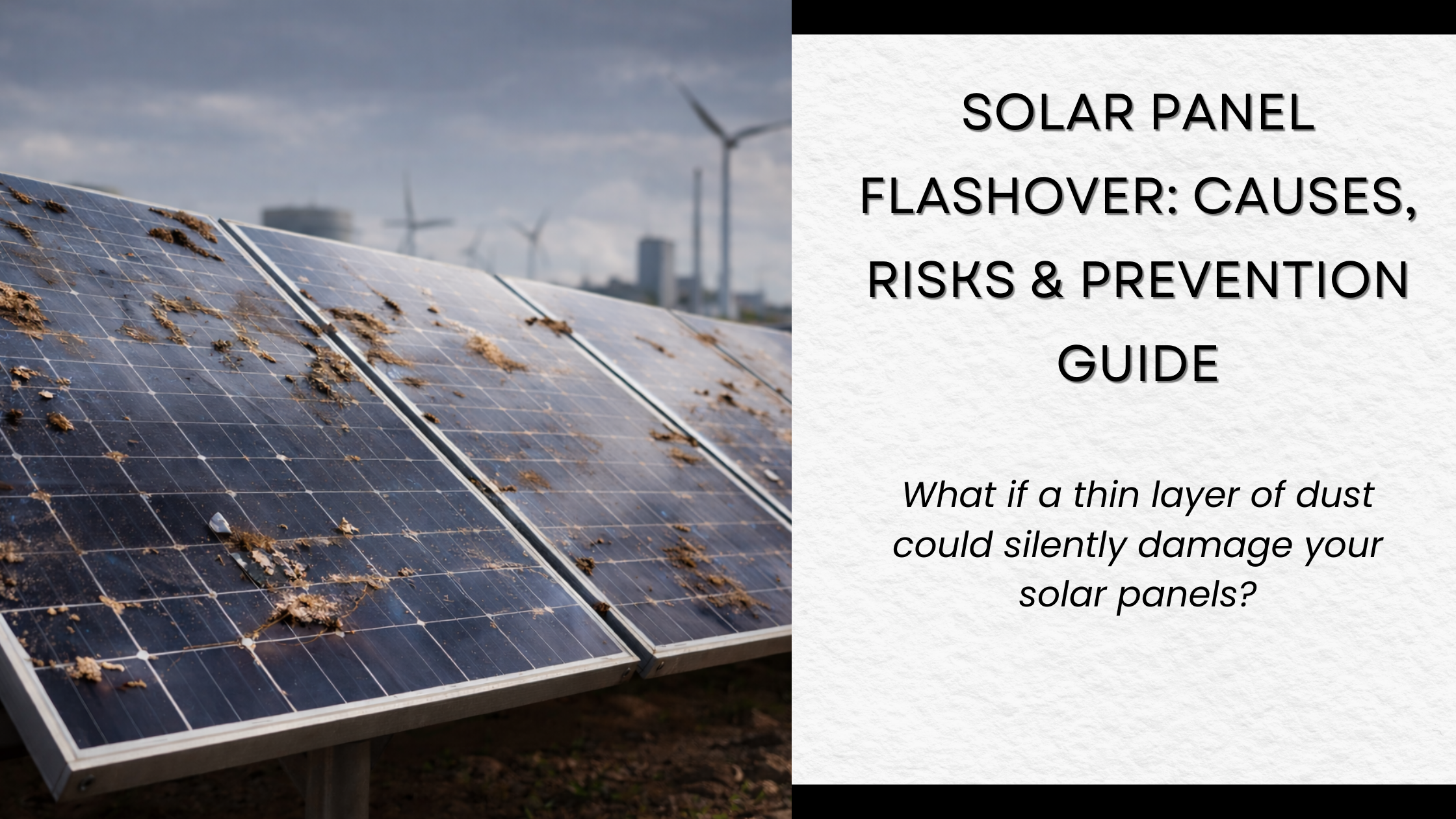
- Moisture mixed with pollution increases the risk of flashover and insulation failure
- High temperatures cause expansion and contraction, leading to micro-cracks
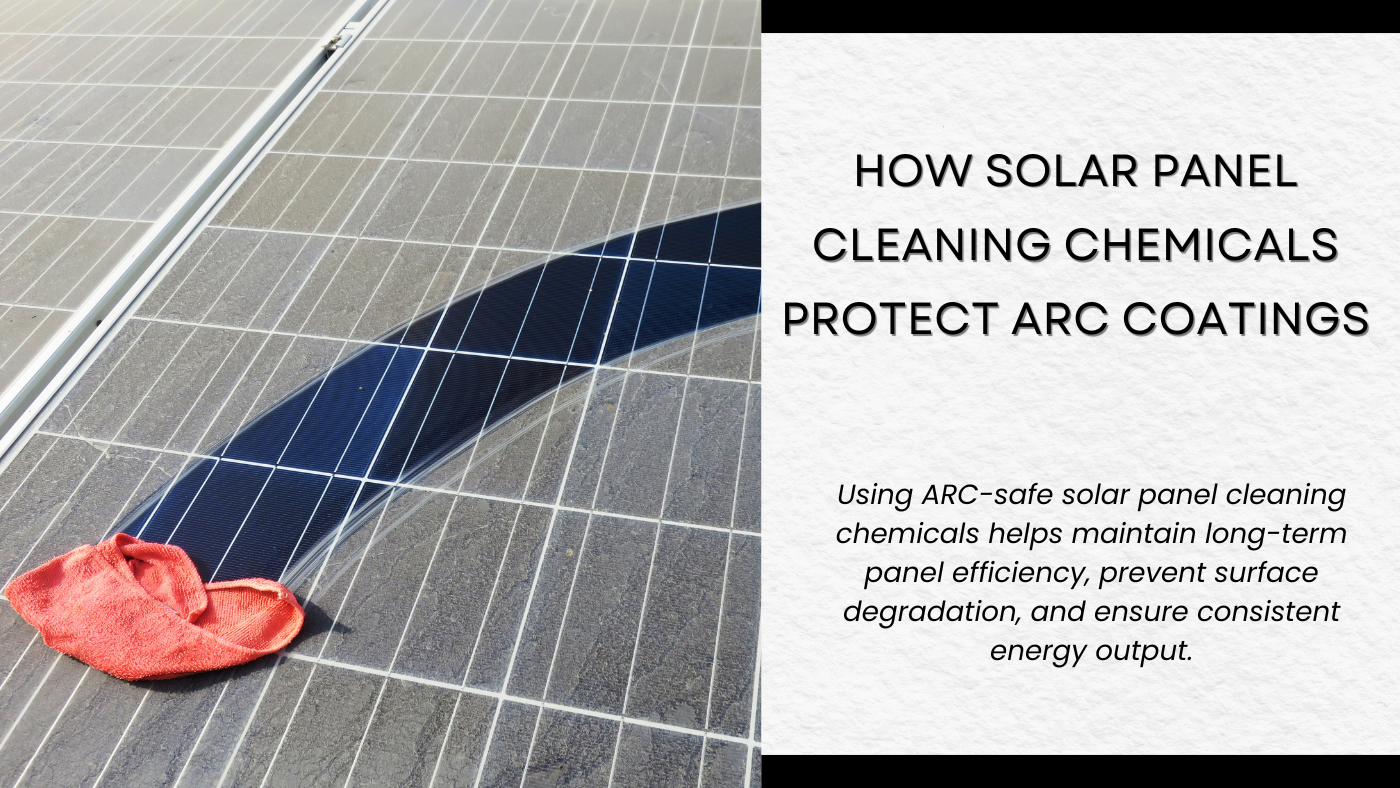
- Long-term exposure damages solar glass and anti-reflective (ARC) coatings
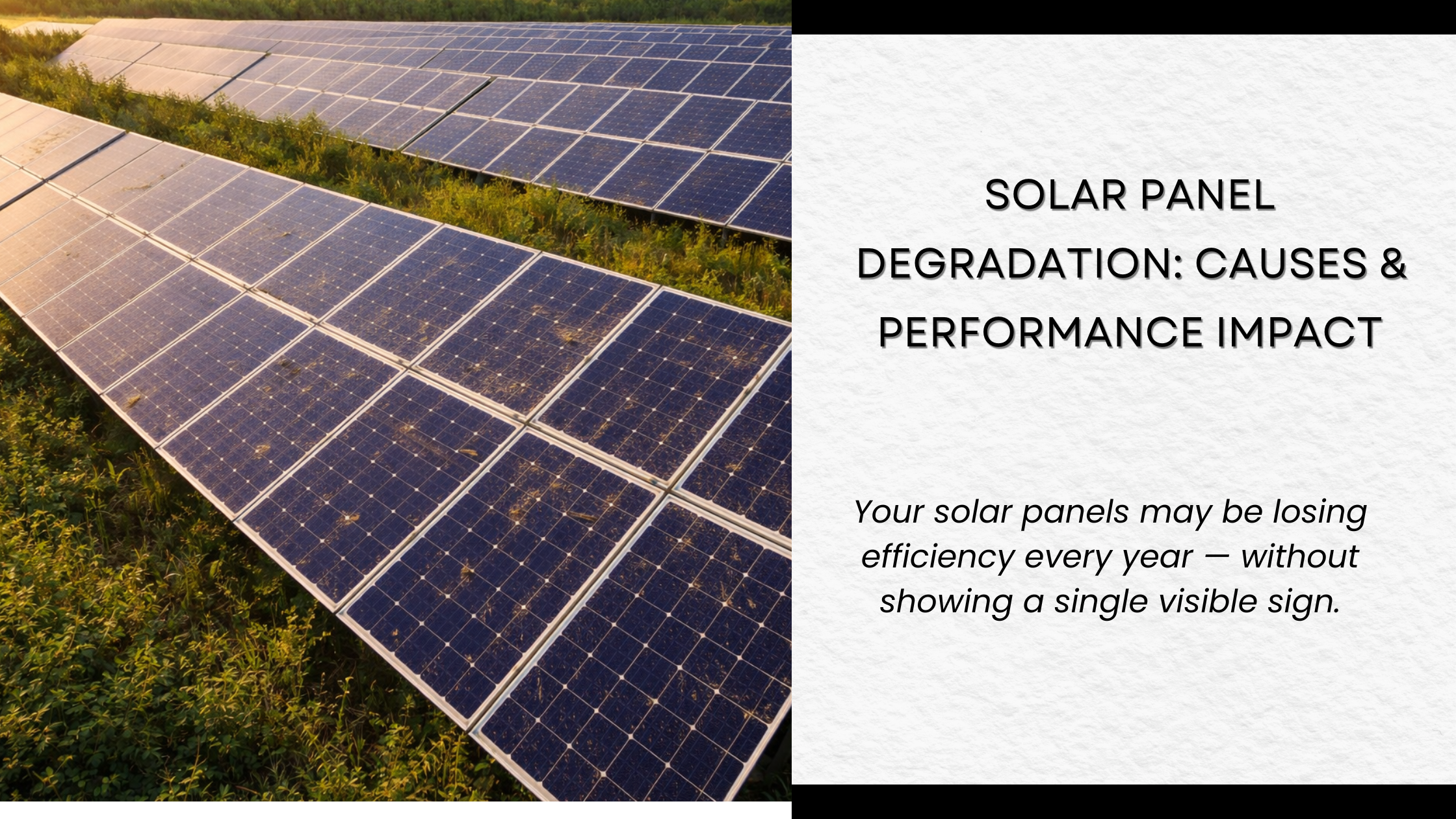
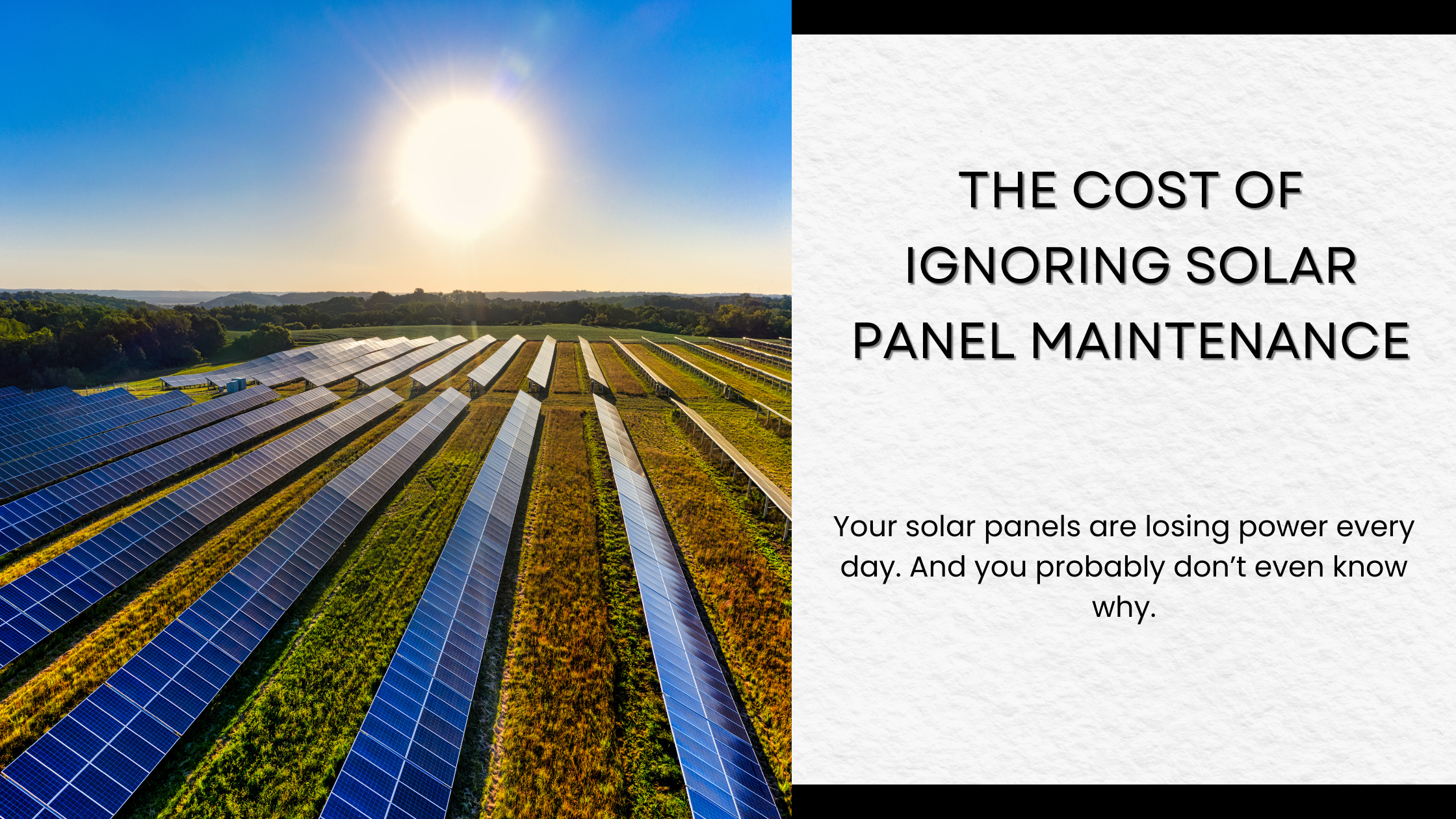
Over time, these factors can silently reduce efficiency by 10–30% if not addressed proactively.
Why Basic Cleaning Is No Longer Enough
Many solar owners rely on rainfall or occasional rinsing, assuming it’s sufficient. In reality:
- Rainwater often leaves mineral stains, especially in hard-water regions
- Manual rinsing fails to remove oily or industrial pollutants
- Sticky residues trap more dust, accelerating performance loss
Basic cleaning methods address visible dirt but ignore deeper contamination that impacts energy output.
Smarter Solar Care: A Preventive Maintenance Approach
Smarter solar care focuses on prevention rather than damage control.
It includes:
- Scheduled inspections instead of reactive repairs
- Climate-based cleaning frequency
- Early detection of hotspots, residue buildup, and surface damage
Preventive maintenance reduces stress on panels, avoids sudden efficiency drops, and ensures consistent performance throughout the year.
Importance of Using Specialized Solar Cleaning Solutions
Not all cleaning methods are safe for solar panels.
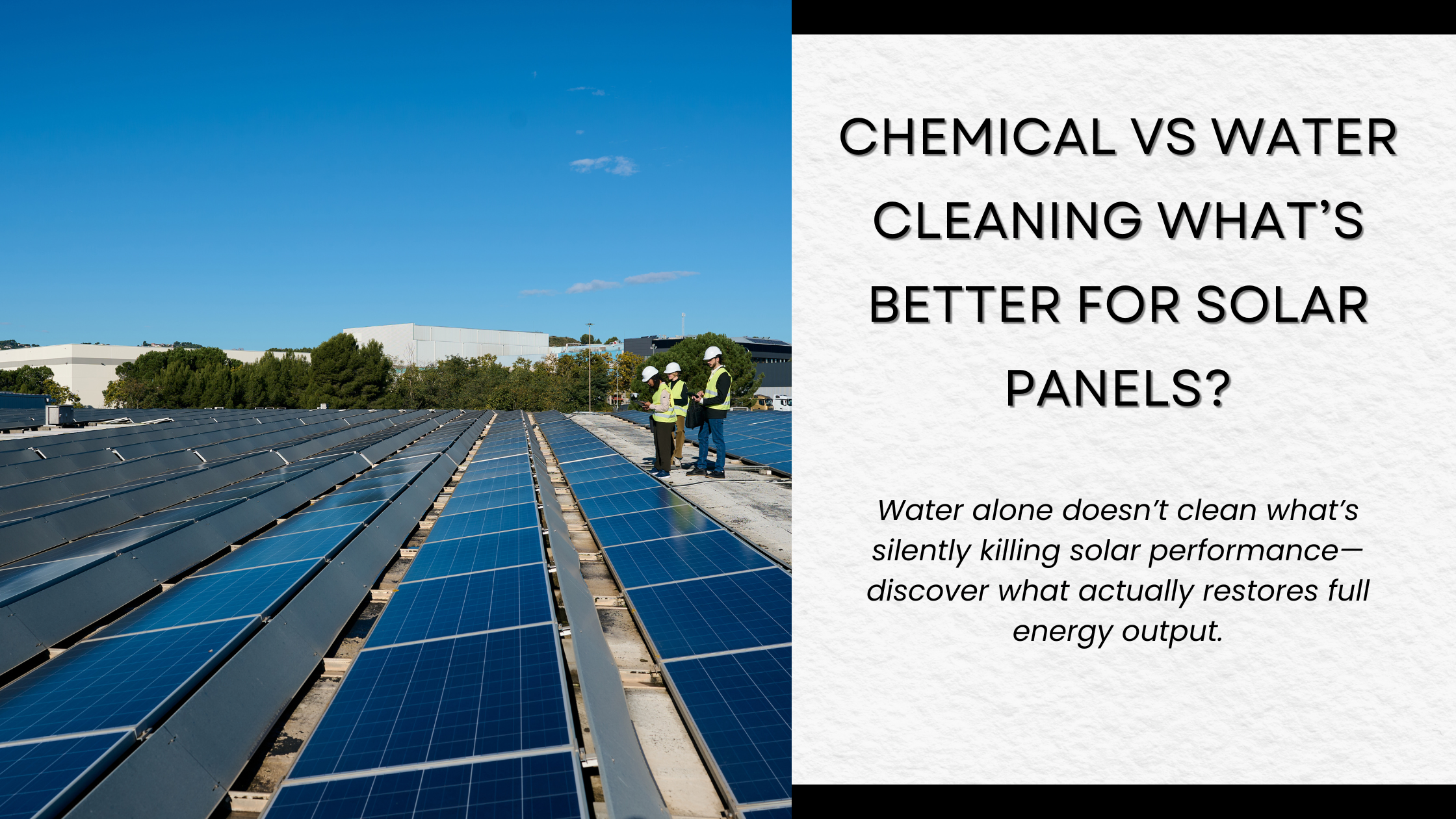
- Water-only cleaning removes loose dust but not stubborn deposits
- Specialized solar cleaning solutions break down grime, bird droppings, pollution films, and flashover residue
- Proper formulations protect ARC coatings and prevent surface etching
Using panel-safe, purpose-built solutions restores efficiency without compromising panel lifespan.
Region-Wise Solar Care Needs Across India
Different environments demand different care strategies:
- Dust-prone regions (Rajasthan, Gujarat, MP): Frequent cleaning to manage sand and dry dust
- Industrial belts & urban zones: Focus on removing chemical and pollution residue
- Coastal states: Protection against salt deposits and humidity-driven corrosion
- Agricultural & rural areas: Address pollen, soil dust, and organic matter
Understanding regional exposure is key to designing effective maintenance schedules.
How Smarter Solar Care Improves Long-Term ROI
Climate-smart maintenance directly impacts financial performance:
- Restores lost power output
- Reduces water usage through efficient cleaning
- Lowers long-term maintenance and replacement costs
- Ensures stable energy generation across seasons
Well-maintained panels reach projected payback periods faster and deliver higher lifetime returns.
Best Practices for Smarter Solar Panel Maintenance
To optimize performance in Indian conditions:
- Follow climate-based cleaning schedules, not fixed timelines
- Use eco-friendly, panel-safe cleaning solutions
- Avoid abrasive tools and untreated hard water
- Opt for professional handling for large or high-risk installations
Tracking output data alongside maintenance activity helps fine-tune care strategies.
Common Mistakes in Solar Panel Care in India
Some frequent errors reduce system efficiency:
- Over-cleaning, causing surface wear
- Under-cleaning, allowing heavy buildup
- Using household detergents or harsh chemicals
- Ignoring early warning signs like sudden output drops
Correcting these mistakes early prevents long-term damage.
Final Thoughts: Climate-Smart Care Is Essential for Indian Solar Systems
India’s solar potential is unmatched, but its challenging climate demands a smarter, more strategic approach to maintenance. Extreme heat, dust accumulation, industrial pollution, coastal humidity, and monsoon residue can significantly impact solar panel efficiency if left unaddressed. Relying on basic or irregular cleaning is no longer sufficient. To protect energy output and system lifespan, climate-specific solar panel maintenance and advanced solar panel cleaning solutions are essential.
By adopting preventive solar care, using panel-safe solar cleaning chemicals, and following region-wise maintenance strategies, solar asset owners can minimize power loss, reduce flashover risks, safeguard ARC coatings, and improve long-term system reliability. Smarter maintenance not only restores lost generation but also optimizes water usage, lowers operational costs, and maximizes solar ROI in Indian conditions.
As India accelerates toward a renewable future, investing in professional solar panel cleaning, eco-friendly solar care solutions, and data-driven maintenance practices ensures that solar systems perform at their true potential—consistently, efficiently, and sustainably.
Turn Dust into Power—loss into Energy.
Every layer of dirt on your solar panels is a silent energy loss. Cleaner panels don’t just look better—they generate more power, run cooler, and deliver higher returns.
If your solar plant is operating below its potential, the problem may not be the system—it may be the surface.
Restore performance the right way by using eco-friendly, panel-safe solar panel cleaning chemicals from Solargent, engineered for Indian climate conditions. Contact Us to connect with the Solargent team for expert guidance on sustainable solar cleaning solutions that protect your panels, boost efficiency, and maximize long-term ROI.
Common FAQs on Solar Panel Performance and Care
1. How does India’s climate affect solar panel efficiency?
Ans. India’s climate exposes solar panels to extreme heat, dust, pollution, humidity, and monsoon residue. These factors reduce sunlight absorption, increase the risk of flashover, cause thermal stress, and damage ARC coatings—leading to a potential 10–30% drop in energy output if proper maintenance is not followed.
2. How often should solar panels be cleaned in Indian conditions?
Ans. Cleaning frequency depends on regional exposure. Dust-prone and industrial areas may require monthly or bi-monthly cleaning, while coastal and humid regions need focused maintenance to prevent corrosion. A climate-based cleaning schedule is more effective than fixed timelines.
3. Is water-only cleaning sufficient for solar panels?
Ans. No. Water-only cleaning removes loose dust but fails to eliminate oily pollution, bird droppings, mineral stains, and industrial residue. In hard-water regions, it can leave deposits that further reduce efficiency. Specialized solar panel cleaning chemicals are required for thorough and safe cleaning.
4. Are solar panel cleaning chemicals safe for panels and the environment?
Ans. Yes—when using eco-friendly, panel-safe solar cleaning solutions. These are formulated to protect solar glass and ARC coatings while effectively breaking down stubborn grime, without causing surface etching or environmental harm.
5. How does preventive solar maintenance improve long-term ROI?
Ans. Preventive maintenance helps restore lost power output, reduces water consumption, minimizes unexpected repair costs, and extends panel lifespan. By ensuring consistent generation across seasons, climate-smart solar care significantly improves long-term return on investment (ROI) for solar systems in India.