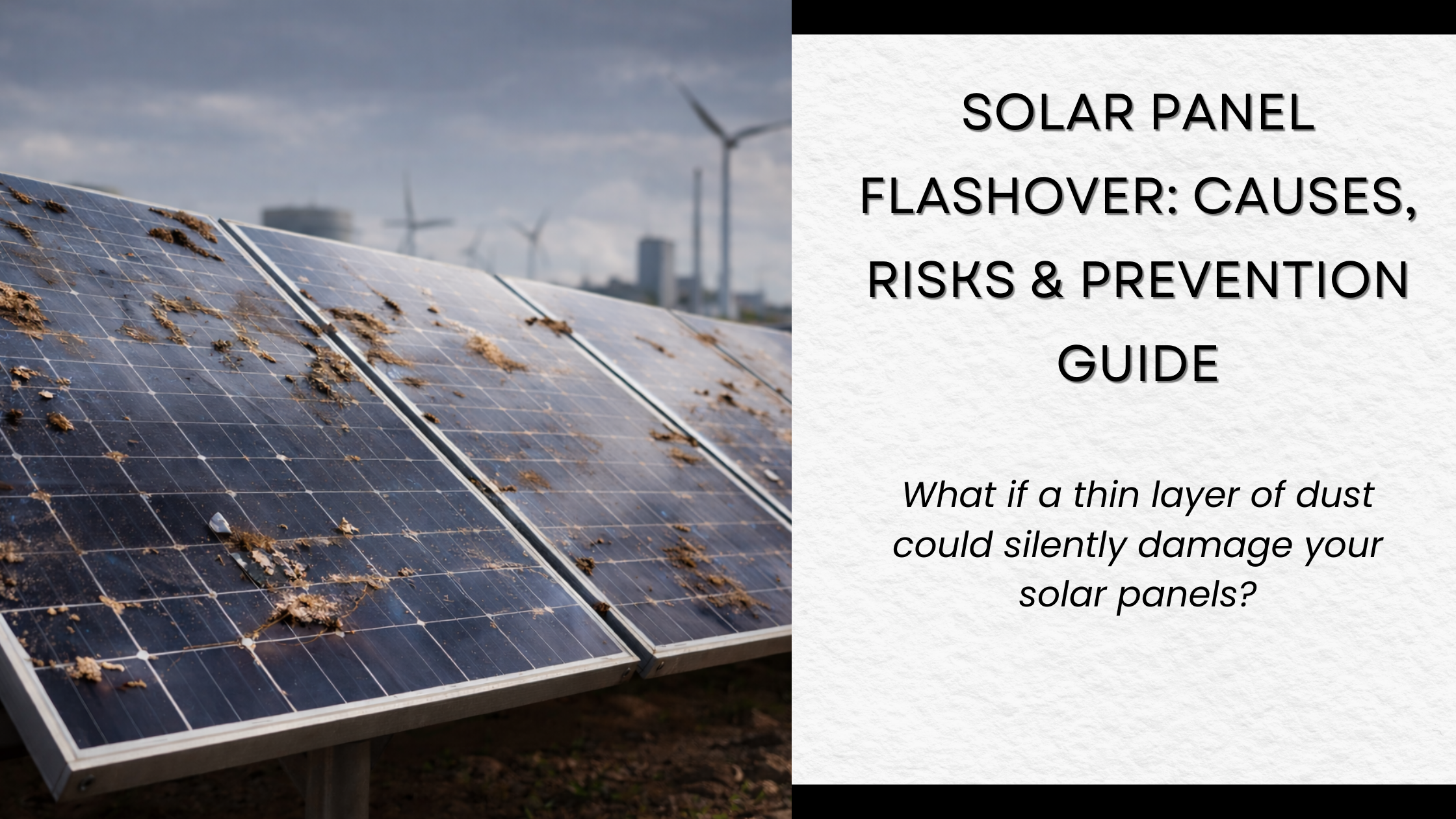
Solar energy systems are built to deliver reliable performance for decades. However, environmental factors such as dust, pollution, moisture, and poor maintenance can create electrical issues that impact system efficiency. One such concern is solar panel flashover, where electrical discharge travels across the surface of solar modules instead of following the intended internal circuit.
Understanding the Solar Panel Flashover Causes and taking preventive measures is essential for maintaining optimal performance, reducing efficiency loss, and extending the lifespan of solar energy systems.
What Is Flashover on Solar Panels?
A solar panel flashover refers to an electrical discharge that occurs across the surface of a solar module. Instead of electricity flowing through the intended internal circuitry, it temporarily travels across the panel’s outer surface due to conductive contamination.
Flashover in solar modules typically happens when a layer of dust, pollution, moisture, or organic material creates a conductive pathway. When voltage builds up across this layer, it can trigger a solar panel electrical discharge, allowing electricity to jump across the panel surface.
This phenomenon is different from normal performance issues such as shading or temperature-related power loss. In those cases, the panel still functions within expected electrical parameters. Flashover, however, involves unintended electrical activity on the surface of the module.
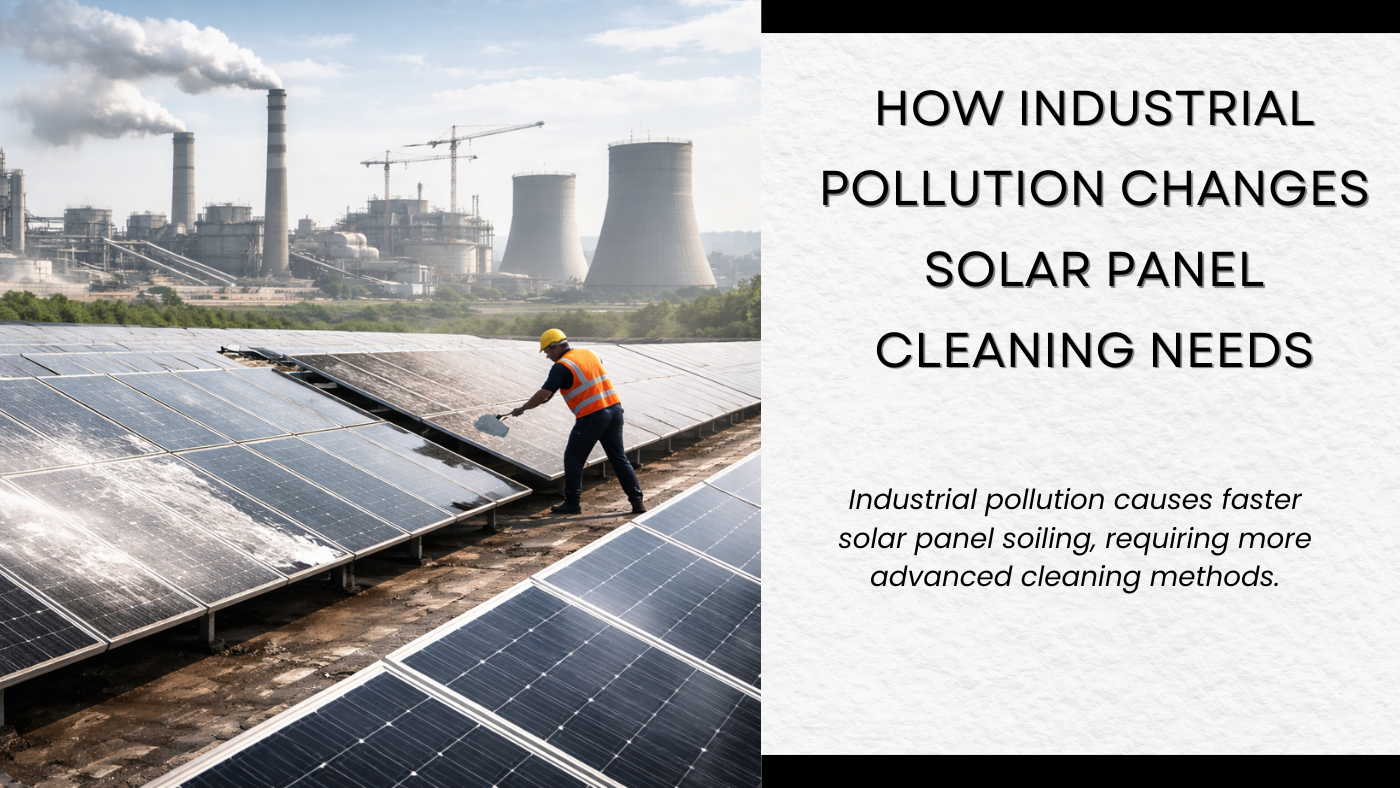
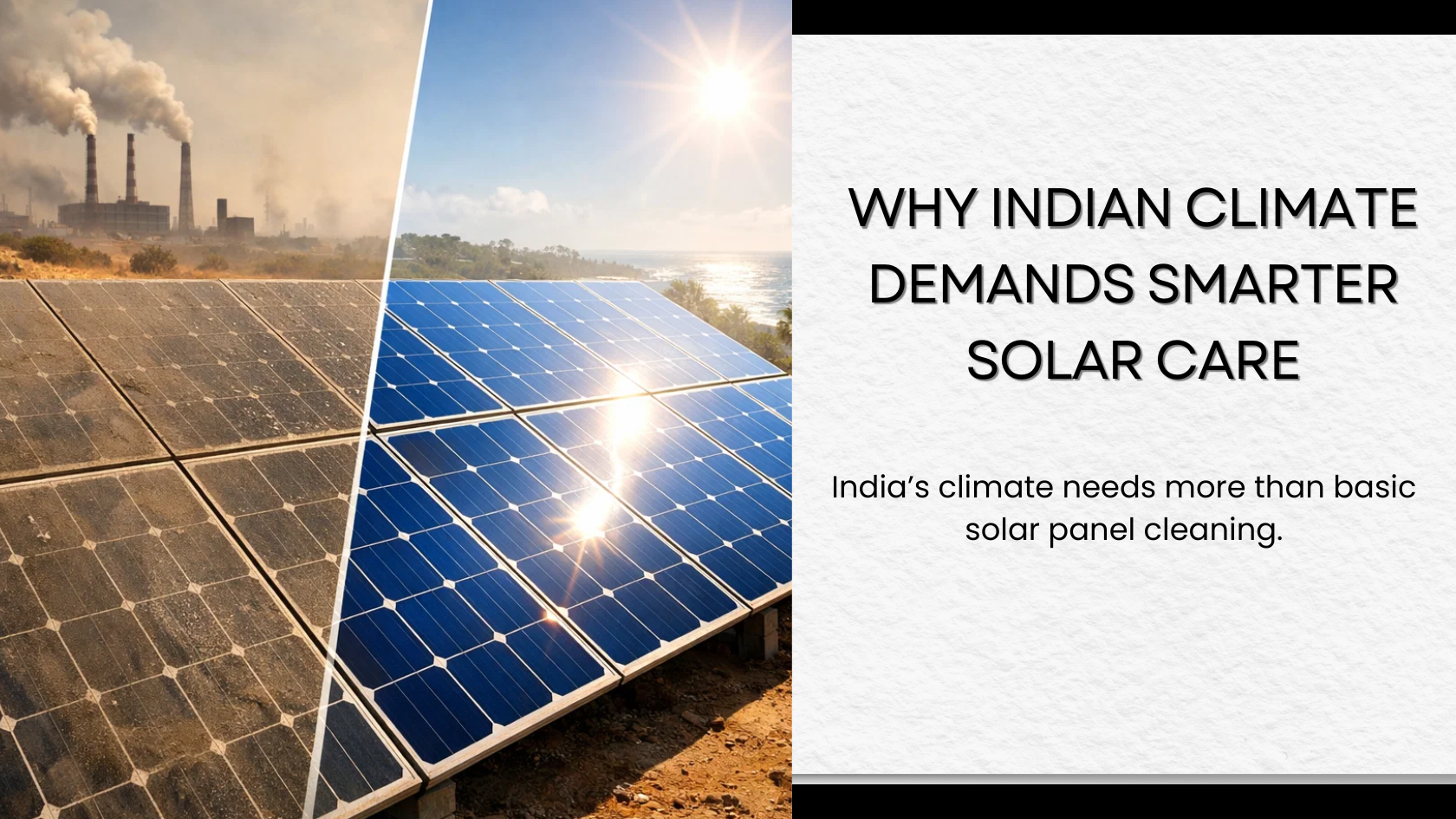
In recent years, flashover incidents have become more common in areas with high pollution levels. Industrial emissions, cement dust, vehicle pollution, and construction debris can accumulate on solar glass, increasing the risk of electrical discharge.
Why Flashover Happens in Solar Panels
Several environmental factors contribute to the causes of flashover in solar panels. These factors often relate to contamination and environmental deposits that accumulate over time.
Dust and Industrial Pollution Buildup
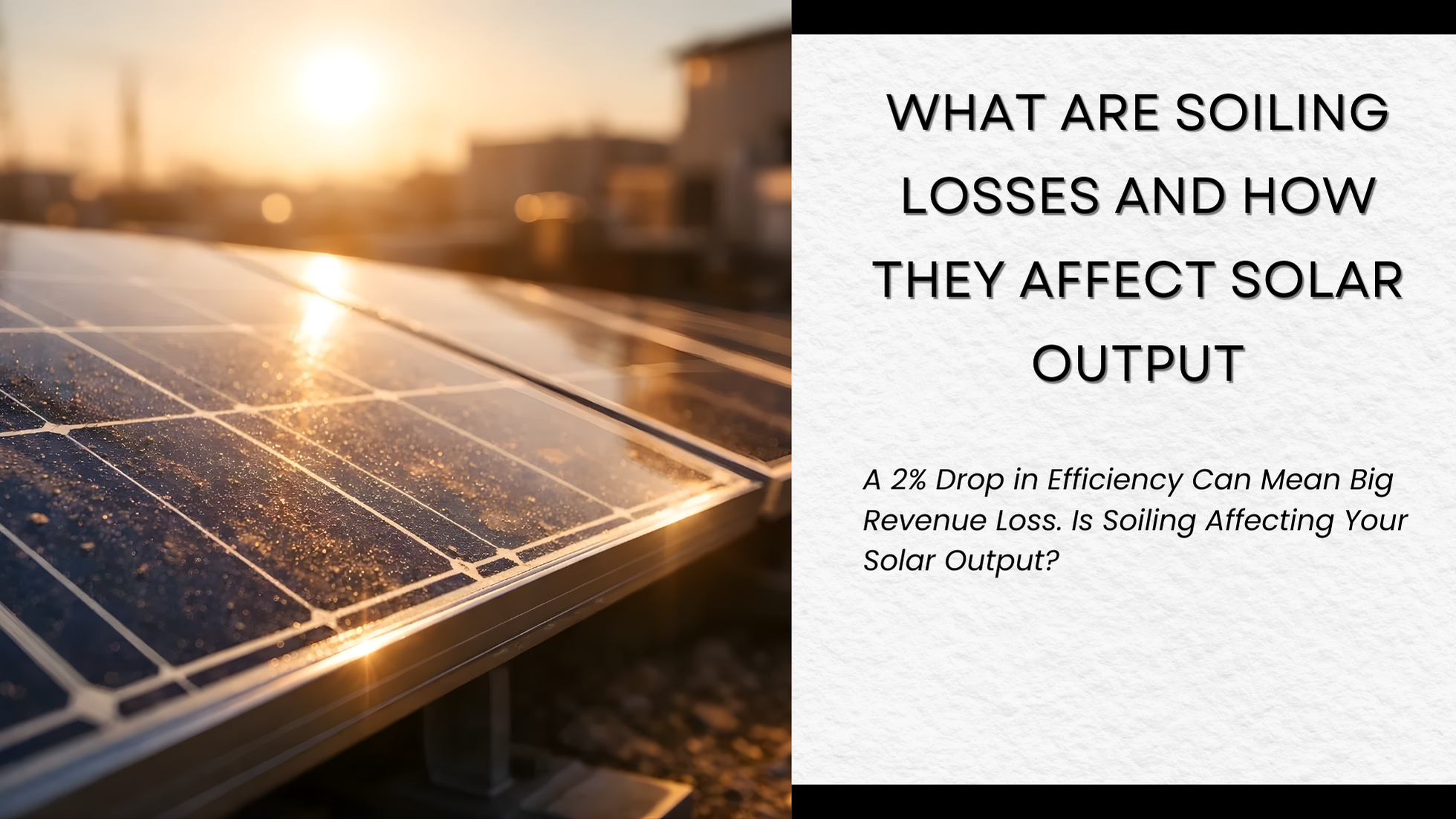
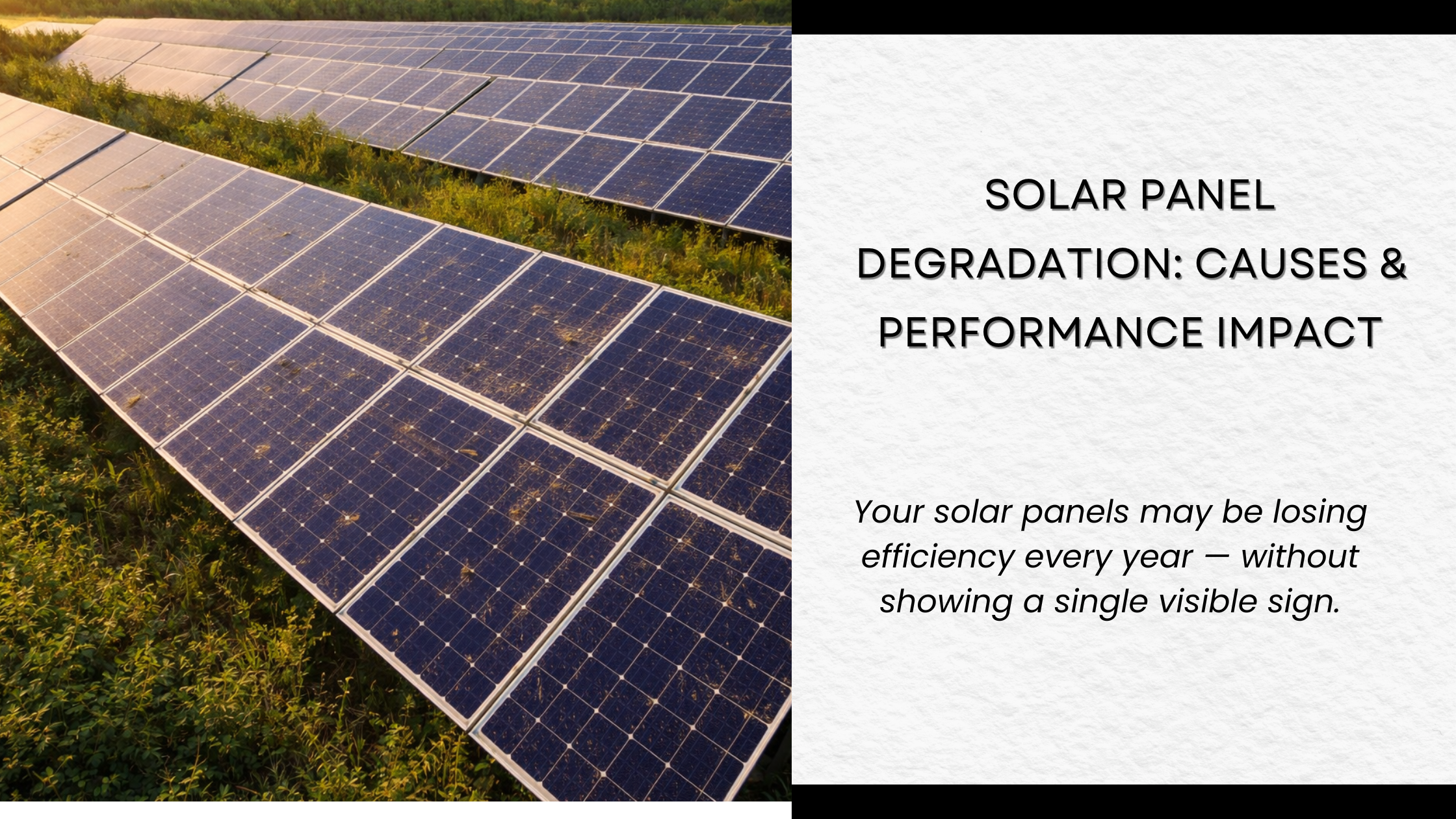
Dust accumulation is one of the most common forms of solar panel contamination. When dust layers build up on the panel surface, they can form uneven coatings that trap moisture.
Industrial pollutants often contain chemical compounds that increase electrical conductivity. When mixed with dust particles, these pollutants can create conductive paths that allow electricity to travel across the panel surface.
Moisture and Humidity
Moisture plays a major role in electrical discharge events. When rainwater or humidity mixes with pollution deposits on solar modules, it can form a conductive film.
This increases the likelihood that electrical potential will move across the panel surface instead of remaining within the intended electrical pathways.
Bird Droppings and Organic Deposits
Organic residues, such as bird droppings, contain chemical compounds and minerals that can create leakage paths on solar glass.
These deposits may also trap moisture and dust, increasing the risk of electrical discharge.
Cement Dust and Construction Debris
In rapidly developing regions, construction activities often generate large amounts of cement dust and debris. These materials can accumulate on solar modules and harden over time.
Once these deposits settle on the glass surface, they become difficult to remove and may contribute to flashover conditions.
How Flashover Affects Solar Panel Performance
Flashover can significantly impact system performance and reliability.
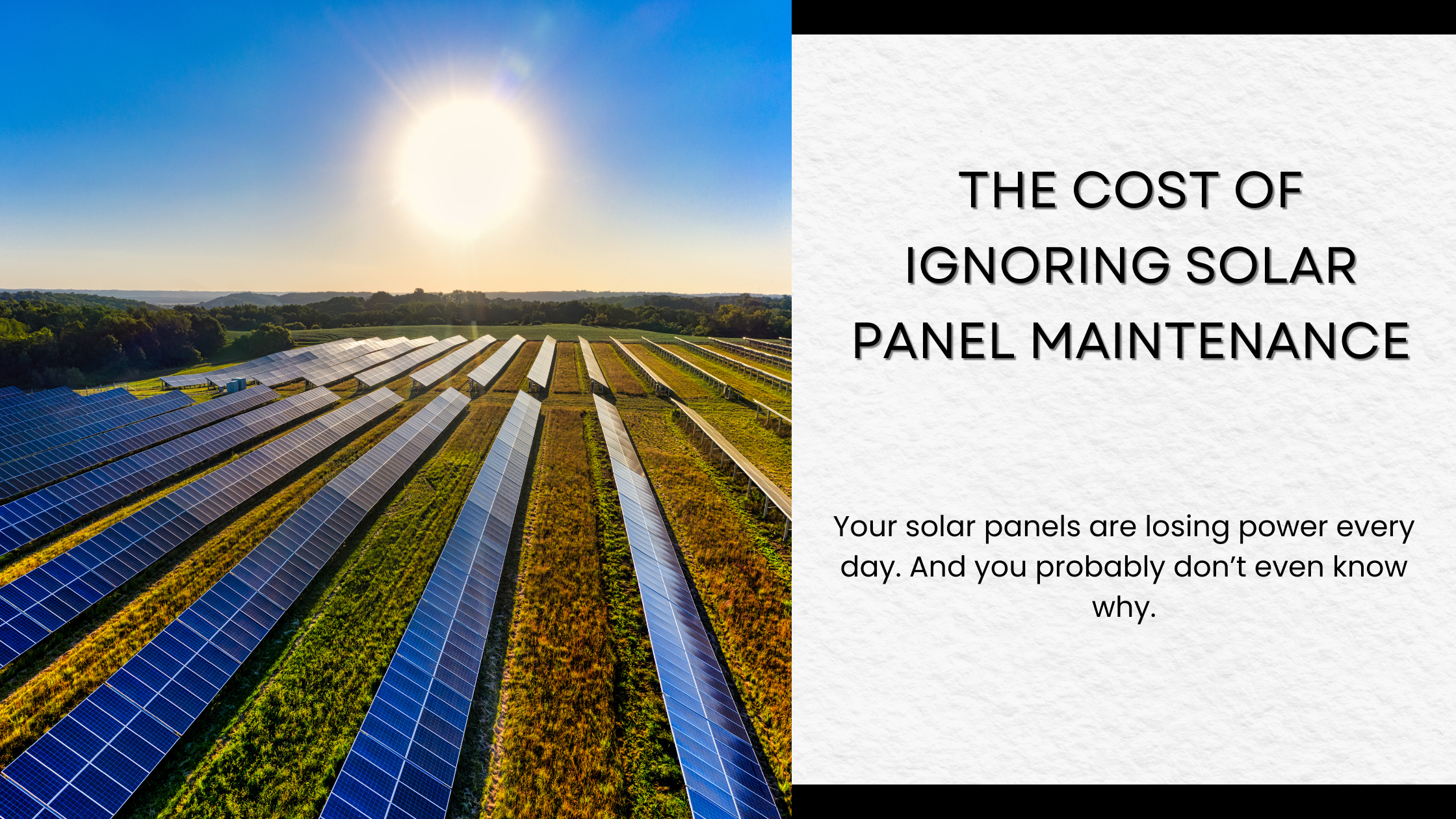
One of the most noticeable effects is solar panel efficiency loss, as electrical discharge disrupts normal power flow. This can lead to a solar panel power output drop, reducing the amount of electricity generated.
Other potential effects include:
- Increased electrical leakage across the panel surface
- Frequent inverter faults or system shutdowns
- Reduced stability of the solar array
- Potential long-term damage to solar modules
If flashover continues to occur repeatedly, it may eventually affect the insulation properties of the panel surface.
Warning Signs of Flashover on Solar Panels
Identifying solar panel flashover symptoms early can help prevent serious damage. Some common warning signs include:
- Visible pollution streaks or residue patterns on the panel surface
- Frequent inverter error notifications
- Unexpected drops in energy production
- Burn marks or unusual residue marks on the glass surface
These signs often indicate that contamination layers are interfering with the electrical performance of the solar modules
How Regular Solar Panel Cleaning Prevents Flashover
Regular cleaning plays a critical role in preventing flashover conditions.
One of the main solar panel cleaning benefits is the removal of conductive contamination layers such as dust, industrial pollutants, and organic deposits.
Proper cleaning helps:
- Remove conductive particles from the panel surface
- Prevent electrical leakage pathways
- Maintain the insulation integrity of solar modules
- Improve sunlight absorption and overall efficiency
Routine solar panel maintenance in India is especially important due to the country’s high dust levels and growing industrial activity.
Why Specialized Solar Panel Cleaning Chemicals Work Better
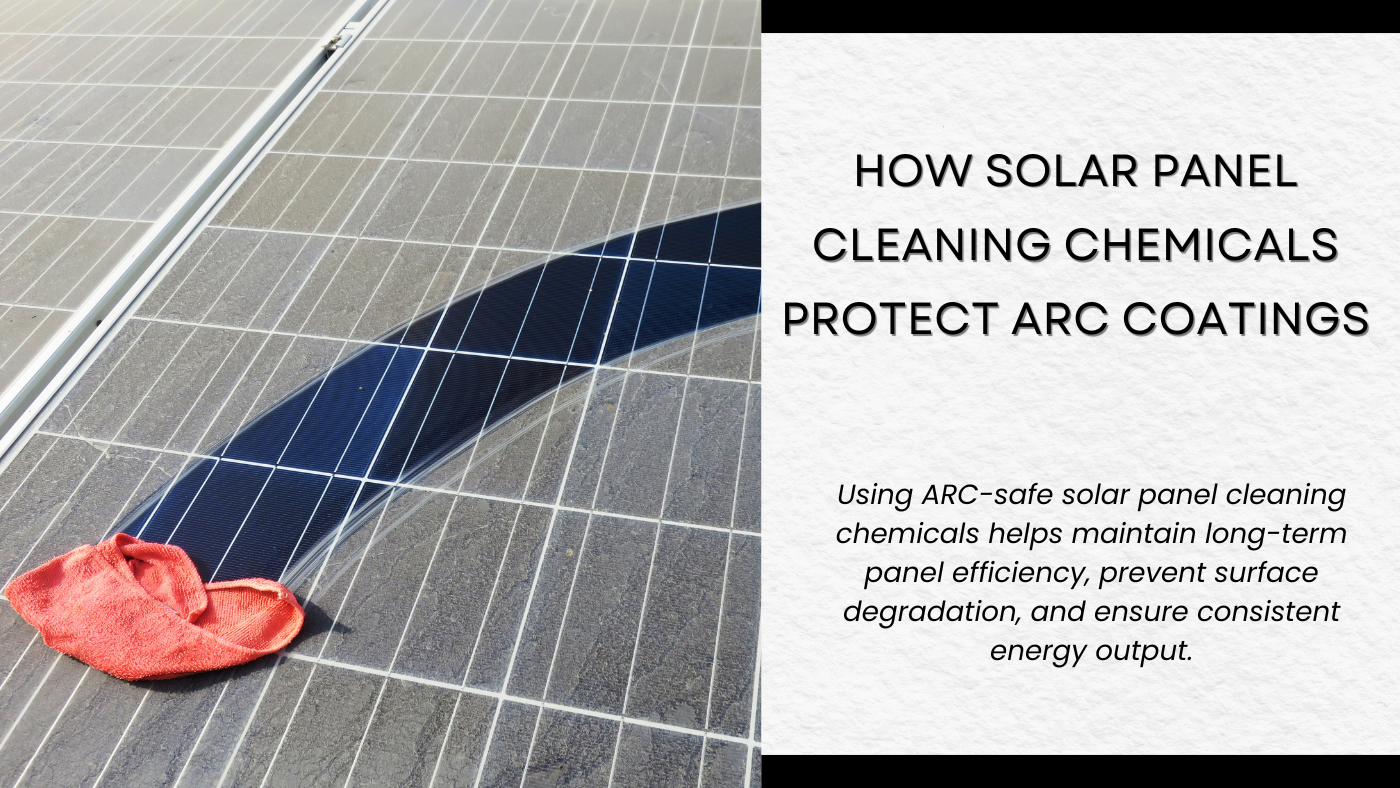
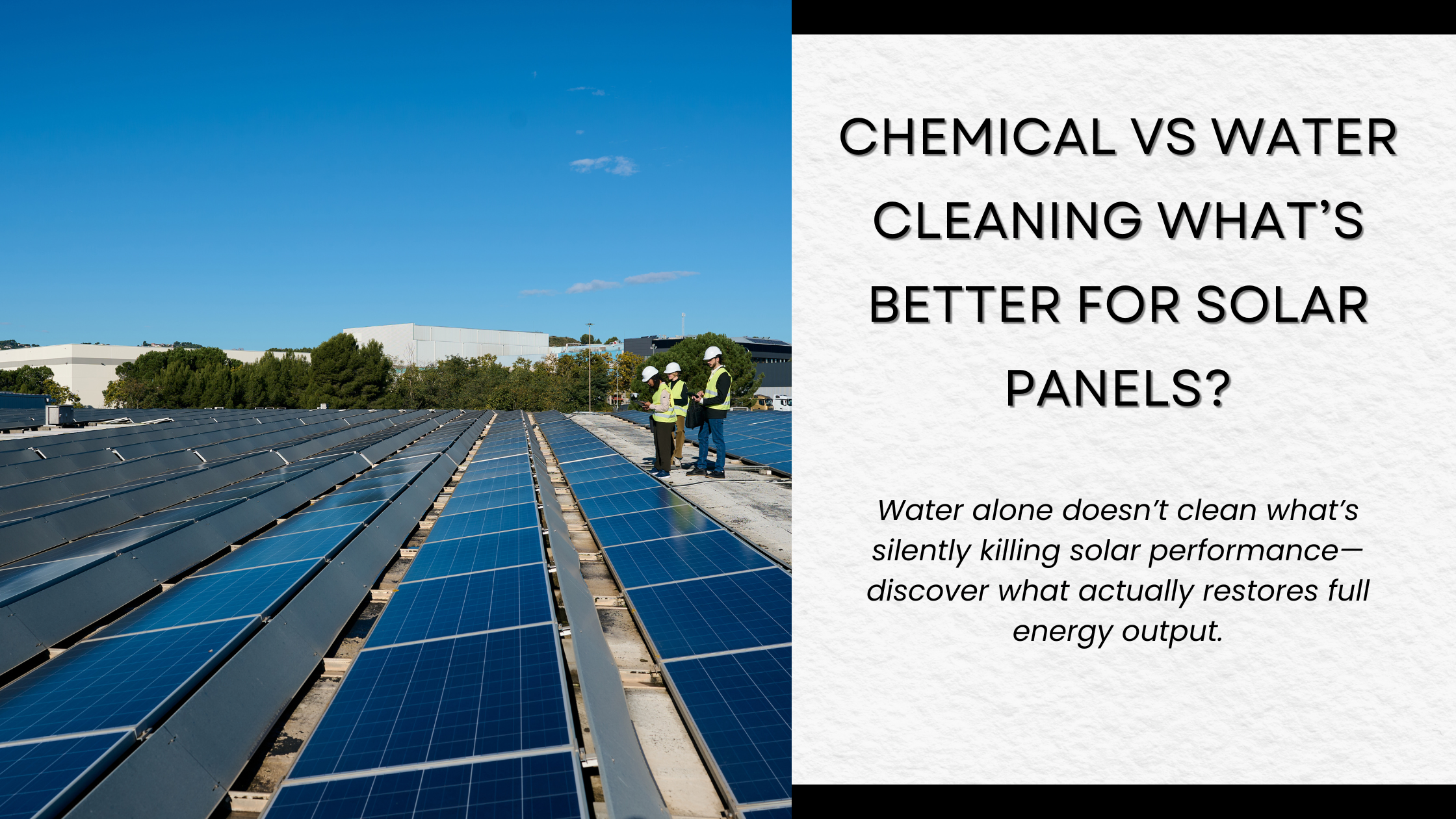
Standard water washing may remove loose dust, but stubborn grime and industrial deposits often require specialized solutions.
A high-quality solar panel cleaning chemical or solar panel cleaning liquid is designed to break down contaminants without damaging the panel surface.
Specialized cleaning detergents can offer several advantages:
- Dissolve tough industrial grime and pollution deposits
- Prevent streak formation after cleaning
- Protect anti-reflective coatings on solar glass
- Reduce water consumption during cleaning operations
Using the right cleaning formulation helps ensure thorough cleaning while maintaining panel integrity.
Best Cleaning Practices for Solar Panels in Dusty and Polluted Areas
In regions with high dust levels, proper cleaning practices are essential for maintaining system efficiency.
Recommended practices for solar panel cleaning in India include:
- Cleaning panels every 2–4 weeks in dusty environments
- Using soft brushes or microfiber tools to avoid scratches
- Avoiding harsh chemicals that may damage coatings
- Using eco-friendly cleaning solutions when possible
For rooftop systems, manual cleaning methods are often sufficient. However, large solar farms may require automated or robotic cleaning systems to ensure consistent maintenance.
Following these solar panel maintenance tips helps keep systems operating efficiently in challenging environmental conditions.
Solargent Solar Panel Cleaning Chemical: A Reliable Solution
Specialized cleaning solutions can significantly improve the effectiveness of solar maintenance programs.
Solargent’s solar panel cleaning chemical in India is designed to handle the environmental challenges commonly found in dusty and industrial regions.
Key advantages include:
- Effective removal of dust, cement residue, and pollution deposits
- Safe formulation for solar glass and ARC-coated panels
- Compatibility with both manual cleaning and robotic systems
- Designed for harsh environmental conditions
Such solutions help maintain panel cleanliness while supporting long-term system performance.
Final Thoughts: Protect Your Solar Panels from Flashover
Solar panel flashover can reduce system efficiency and lead to electrical discharge issues if contamination builds up on the panel surface. Dust, pollution, moisture, and organic deposits often create conductive layers that affect normal solar panel performance.
Regular solar panel cleaning and maintenance is one of the most effective ways to prevent flashover and maintain optimal energy output. Using the right solar panel cleaning solution or cleaning chemical helps remove stubborn contaminants, protect solar glass, and improve overall solar panel efficiency.
By following proper solar panel maintenance practices, system owners can reduce performance loss, prevent electrical leakage, and ensure reliable long-term operation of their solar energy systems.
Contact Solargent for Professional Solar Panel Cleaning Solutions
Maintaining clean solar panels helps prevent solar panel flashover and ensures consistent energy production. Professional solar panel cleaning solutions remove dust, pollution, and stubborn deposits while protecting the solar glass surface.
For effective solar panel cleaning chemicals in India, contact Solargent for reliable cleaning solutions designed for challenging environmental conditions.
Frequently Asked Questions
1. What is flashover in solar panels?
Ans. Flashover in solar panels refers to an electrical discharge that travels across the surface of a solar module instead of flowing through the intended internal circuitry. It usually occurs when dust, pollution, or moisture creates a conductive layer on the panel surface.
2. What causes flashover in solar panels?
Ans. Flashover typically occurs due to environmental contamination such as dust accumulation, industrial pollution, moisture, bird droppings, or cement dust. These contaminants can create conductive paths that allow electricity to travel across the surface of the panel.
3. How does flashover affect solar panel performance?
Ans. Flashover can reduce solar panel efficiency by disrupting normal electrical flow. It may cause power output drops, inverter faults, increased electrical leakage, and long-term damage to solar modules if not addressed.
4. How can flashover in solar panels be prevented?
Ans. Flashover can be prevented through regular solar panel cleaning and maintenance. Removing dust, pollution deposits, and organic contaminants helps eliminate conductive layers that may trigger electrical discharge.
5. What is the best chemical for cleaning solar panels?
Ans. The best solar panel cleaning chemical is one that effectively removes dust, pollution, and grime without damaging the panel’s glass or anti-reflective coating. Specialized solar cleaning solutions are designed specifically for this purpose.
6. Why should solar panels be cleaned with specialized cleaning solutions?
Ans. Specialized solar panel cleaning liquids are formulated to dissolve stubborn contaminants such as industrial pollution, cement residue, and organic deposits while protecting the solar glass surface.
7. How often should solar panels be cleaned in dusty regions?
Ans. In dusty environments or industrial areas, solar panels should typically be cleaned every 2–4 weeks to maintain optimal efficiency and prevent contamination buildup that can lead to electrical issues.
8. Where can I find reliable solar panel cleaning chemicals in India?
Ans. Reliable solar panel cleaning chemicals are available from specialized manufacturers like Solargent, which provide cleaning solutions designed for dusty and polluted environmental conditions.