Why ARC Coatings Matter for Solar Panel Performance
Solar panel cleaning chemicals play a critical role in maintaining solar panel efficiency and protecting delicate surface coatings. Solar panels generate electricity by absorbing sunlight and converting it into usable power through photovoltaic cells. The more light a panel absorbs, the higher its energy output. To enhance this absorption, manufacturers apply a thin solar panel ARC coating (Anti-Reflective Coating) on the glass surface.
ARC coatings play a critical role in minimizing reflection and maximizing light transmission. However, these coatings are delicate by design. Improper solar panel maintenance—especially incorrect cleaning practices or unsuitable chemicals—can degrade or permanently damage ARC layers, leading to long-term efficiency loss that cannot be reversed.
What Is an Anti-Reflective Coating (ARC)?
An anti-reflective coating is a microscopic layer applied to the glass surface of solar panels. Its primary purpose is to reduce the amount of sunlight reflected away from the panel.
How ARC improves performance
- Allows more sunlight to enter the photovoltaic cells
- Reduces surface glare and reflection losses
- Improves overall power output, especially during low-angle sunlight
Sensitivity of ARC layers
ARC coatings are extremely thin and sensitive to:
- Abrasion from hard brushes or cloths
- Chemical imbalance in cleaning agents
- Repeated mechanical friction
Once damaged, ARC coatings cannot be restored, making protection during cleaning essential.
Common Threats to ARC Coatings During Cleaning
ARC coatings are most vulnerable during routine cleaning. Some of the most common threats include:
Hard water deposits
Minerals like calcium and magnesium can leave scaling that bonds tightly to the surface, increasing abrasion risk during repeated cleaning.
Abrasive tools and improper agents
Rough brushes, sponges, and household detergents can cause micro-scratches that gradually erode the ARC layer.
Industrial dust and pollution residue
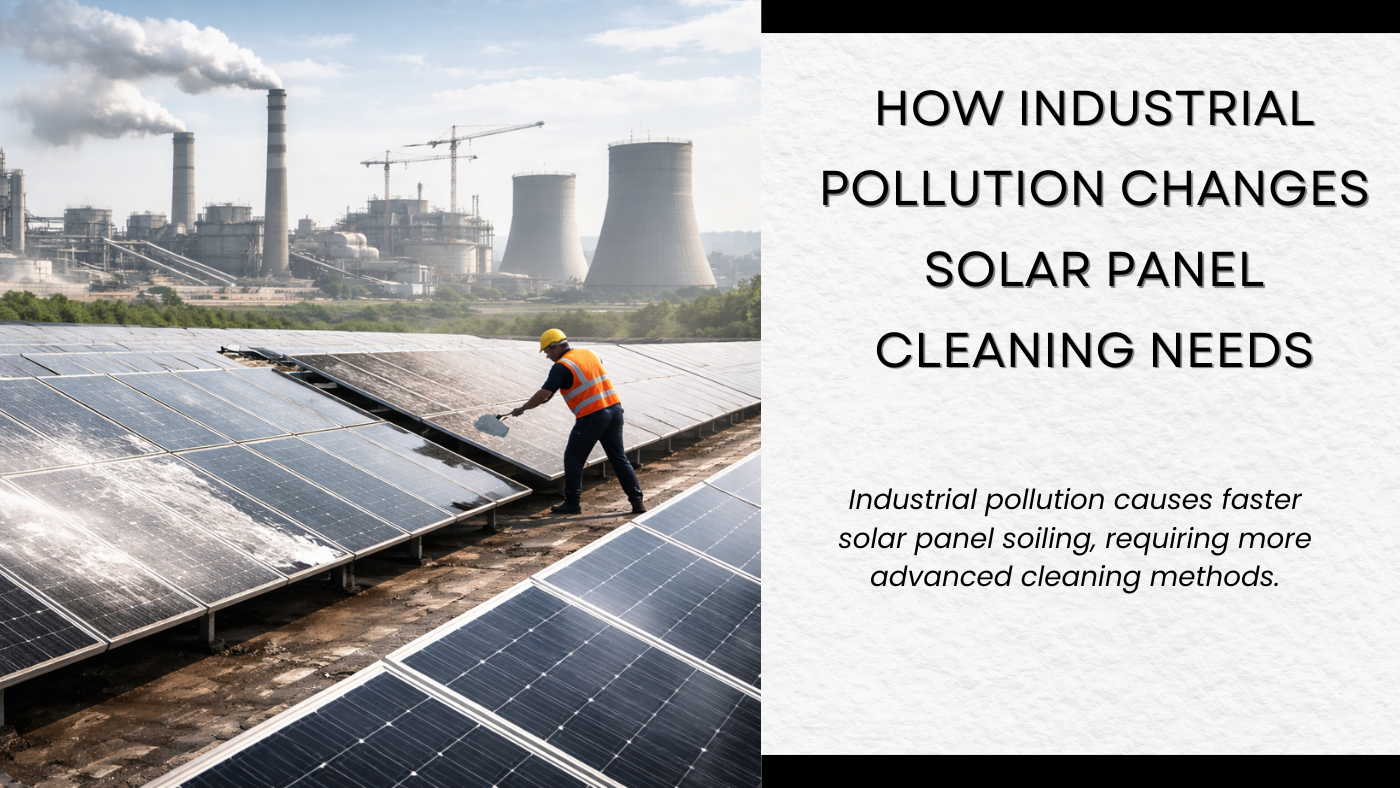
Cement dust, carbon particles, and oily pollutants act like fine sandpaper when wiped across the panel surface, accelerating coating wear.
These risks highlight why cleaning is one of the most critical aspects of solar panel maintenance.
Role of Solar Panel Cleaning Chemicals in ARC Protection
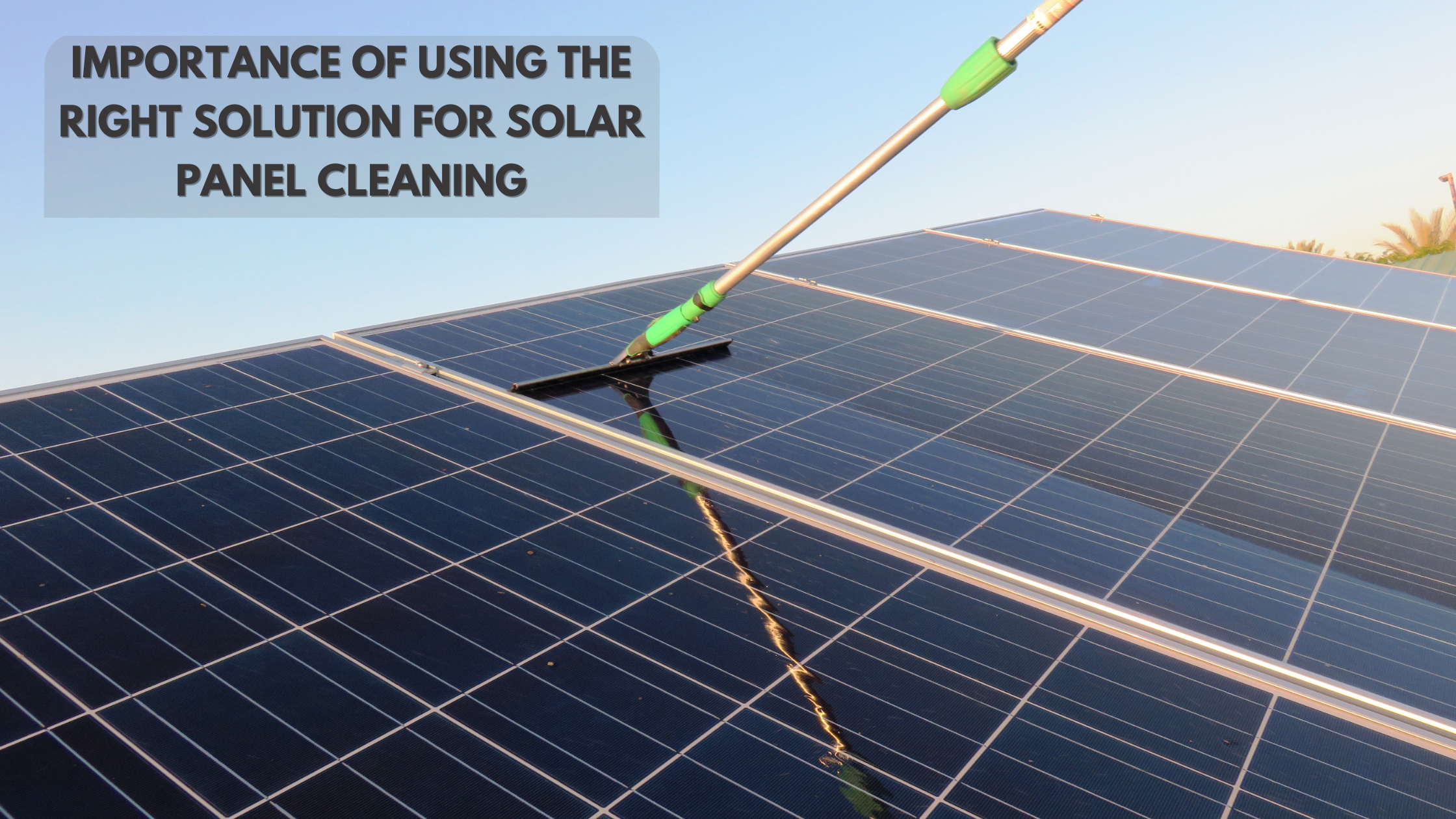
Purpose-built solar panel cleaning chemicals are designed to protect sensitive ARC layers while removing contamination effectively.
How ARC-safe chemicals work
- Loosen and dissolve bonded dirt and pollutants
- Reduce the need for aggressive scrubbing
- Allow contaminants to be rinsed away gently
Generic detergents vs ARC-safe formulations
Household detergents often contain:
- High alkalinity or acidity
- Salts and corrosive compounds
- Residue-forming surfactants
In contrast, ARC-safe solar panel cleaning chemicals use controlled pH levels and non-corrosive ingredients that clean without attacking the coating.
Chemical Cleaning vs Abrasive Cleaning Methods
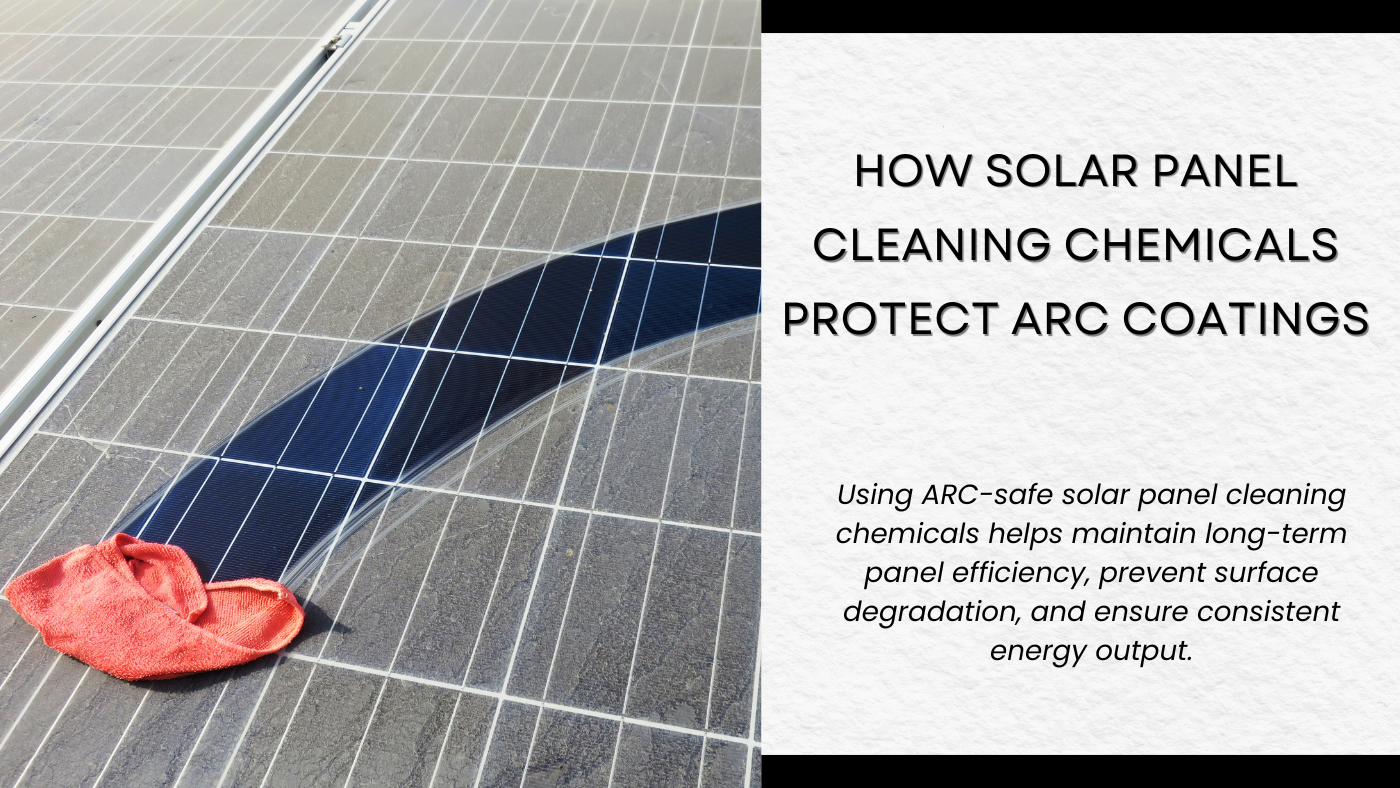
Abrasive cleaning relies on physical force, which poses a direct risk to ARC coatings.
Abrasive methods
- Cause micro-scratches
- Gradually thin the ARC layer
- Lead to uneven light transmission
Chemical cleaning solutions
- Reduce mechanical stress
- Lift contaminants chemically instead of mechanically
- Preserve surface uniformity over time
For long-term panel health, chemical-based cleaning is far safer than repeated abrasive action.
How ARC-Safe Chemicals Improve Long-Term Panel Efficiency
ARC-safe cleaning supports consistent performance by:
- Maintaining smooth, uniform light transmission
- Preventing micro-damage that reduces absorption
- Preserving the panel’s original efficiency curve
By protecting the ARC layer, panels deliver stable output for longer periods, supporting predictable energy generation and improved return on investment.
Importance of Residue-Free Cleaning for ARC Coatings
Residue left behind after cleaning can be just as harmful as dirt.
Why residue matters
- Creates light-blocking films on the surface
- Encourages faster re-soiling
- Can lead to localized heating and hotspots
High-quality solar panel cleaning chemicals are formulated to rinse clean, leaving no streaks or films that interfere with ARC performance.
Eco-Friendly Cleaning Chemicals and ARC Safety
Modern eco-friendly solar panel cleaning chemicals combine performance with environmental responsibility.
Key advantages include:
- Biodegradable and non-toxic compositions
- Reduced water consumption due to higher cleaning efficiency
- Safe use across rooftop, commercial, and industrial installations
These formulations protect both ARC coatings and the surrounding environment.
When ARC Protection Becomes Critical
ARC protection becomes especially important in:
- Industrial zones with cement or chemical dust
- Large solar farms with high cleaning frequency
- Regions with heavy pollution, humidity, or bird activity
In such conditions, using an industrial solar panel cleaning solution designed for ARC safety is not optional—it is essential preventive maintenance.
Choosing the Right Cleaning Chemical for ARC-Coated Panels
Before selecting a cleaning solution, consider:
- pH balance and non-corrosive formulation
- Compatibility with anti-reflective coatings
- Residue-free rinsing characteristics
- Expert or industry recommendations
The right solar panel cleaning solution protects performance while extending panel lifespan.
Protecting ARC Coatings for Long-Term Solar Performance
Anti-reflective (ARC) coatings are a critical performance layer that directly influences how efficiently solar panels convert sunlight into usable energy. While often overlooked, improper cleaning practices remain one of the most common causes of irreversible ARC damage and long-term efficiency loss.
Using ARC-safe solar panel cleaning chemicals is not merely a maintenance choice—it is a protective strategy. Purpose-built cleaning solutions reduce mechanical abrasion, prevent chemical imbalance, and ensure residue-free surfaces that preserve light transmission. This approach supports stable energy output, lower performance degradation, and a longer operational lifespan for solar installations.
For residential, commercial, and industrial solar systems alike, informed cleaning decisions play a direct role in protecting system value. Selecting the right solar panel cleaning chemicals helps safeguard delicate coatings, maintain consistent power generation, and ensure that solar assets continue delivering reliable returns over the long term.
For ARC-safe cleaning and long-term solar performance, choose Solargent’s professional solar panel cleaning chemicals—designed to protect coatings, boost efficiency, and extend panel lif
Frequently Asked Questions (FAQs)
1. What is an ARC coating on solar panels?
ANS. An ARC (Anti-Reflective Coating) is a thin microscopic layer applied to solar panel glass to reduce reflection and allow more sunlight to reach the photovoltaic cells, improving energy output.
2. Can solar panel cleaning damage ARC coatings?
ANS. Yes. Using abrasive tools, hard water, or harsh household detergents can cause micro-scratches or chemical damage to ARC coatings, leading to permanent efficiency loss.
3. Why is residue-free cleaning important for ARC-coated panels?
ANS. Residue left after cleaning can block light, attract dirt faster, and create hotspots. Residue-free cleaning helps maintain uniform light transmission and protects ARC performance.
4. Which solar panel cleaning solution is safe for ARC-coated panels?
ANS. ARC-safe solar panel cleaning solutions with controlled pH levels and non-corrosive formulations are recommended, as they clean effectively without damaging the anti-reflective coating.
5. Is chemical-based cleaning better than water cleaning for ARC protection?
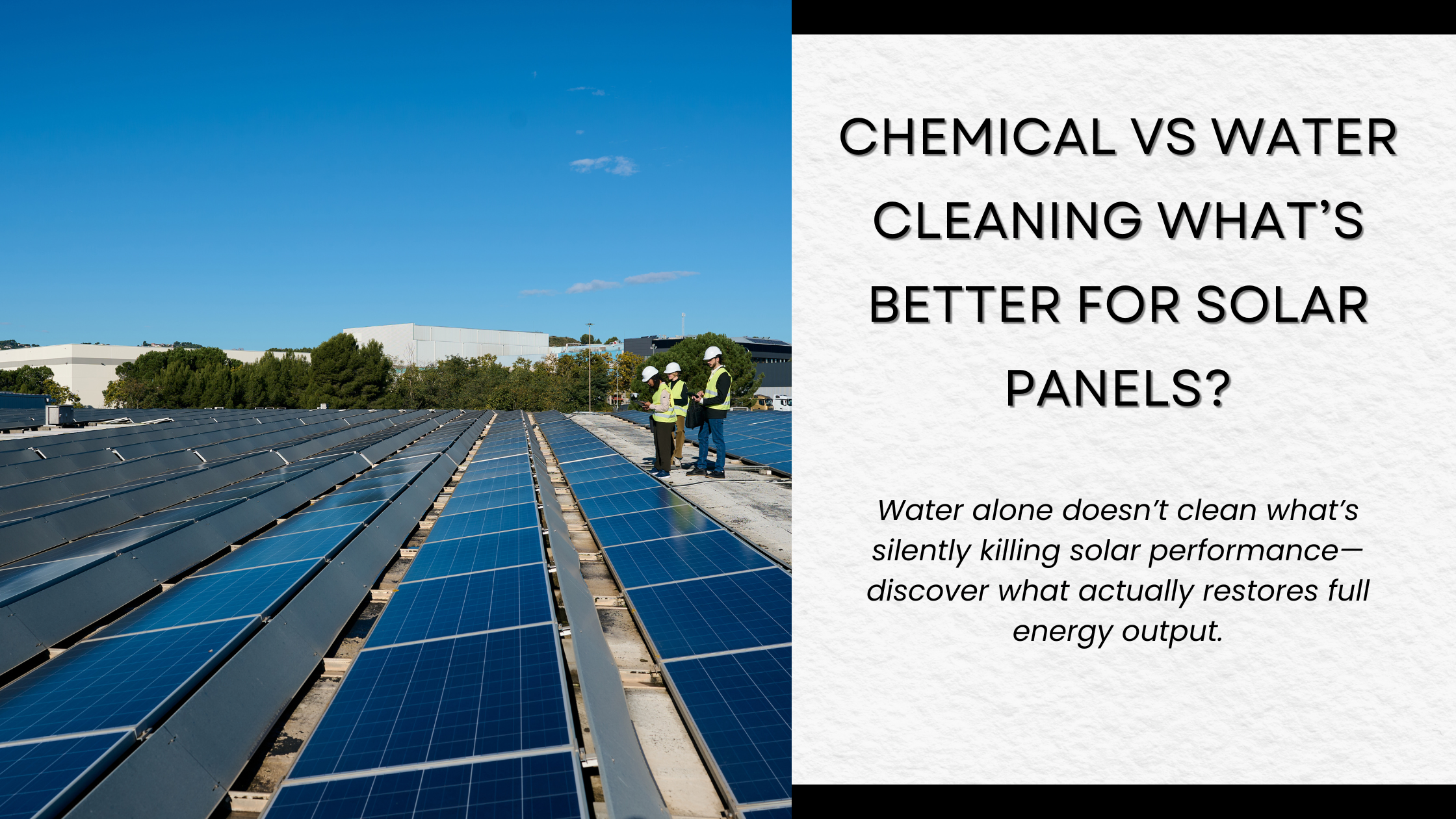
ANS. Yes. Chemical-based cleaning reduces the need for aggressive scrubbing and dissolves contaminants gently, making it far safer for protecting delicate ARC coatings than water-only methods.
6. When should I switch to professional solar panel cleaning chemicals?
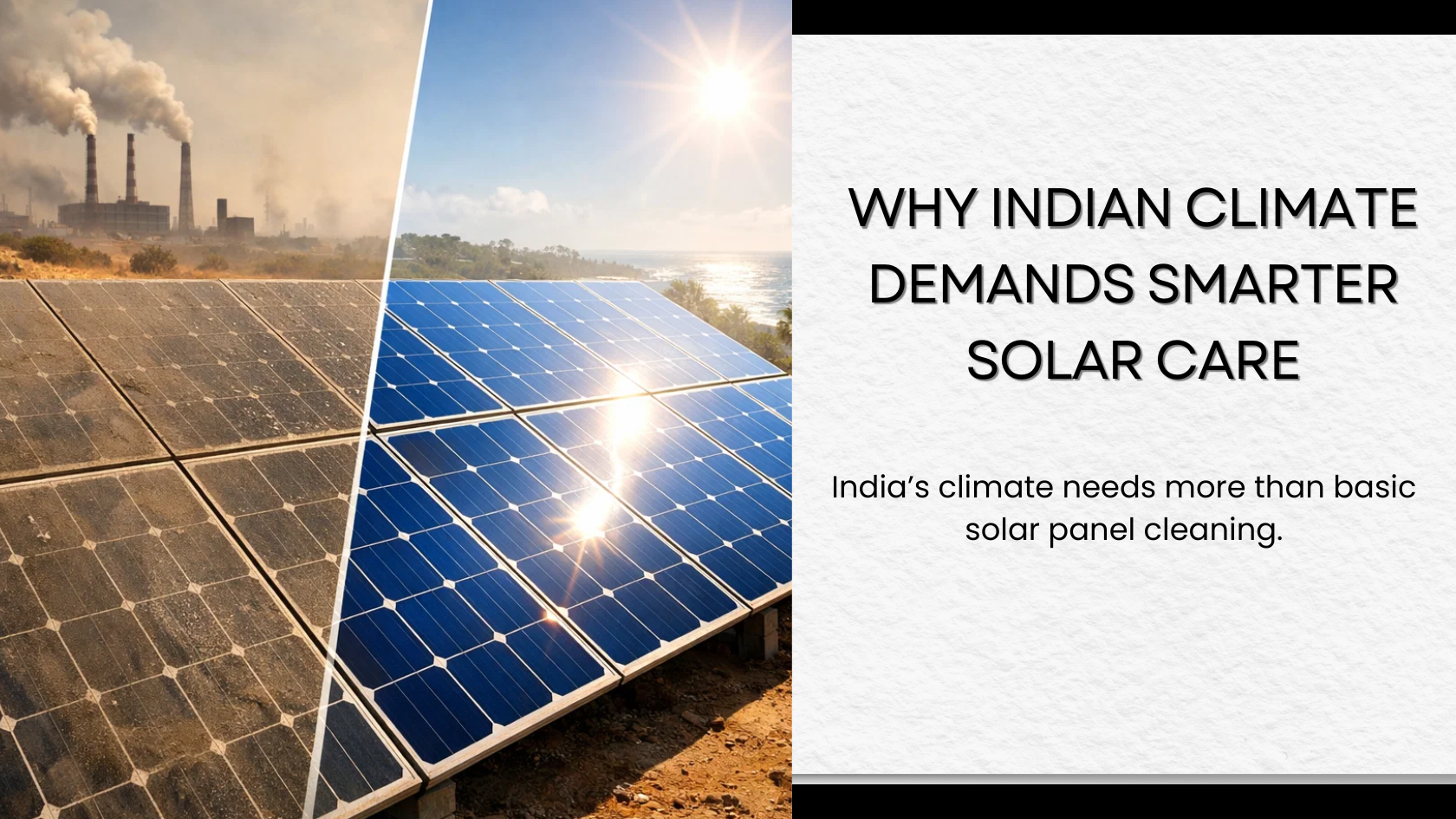
ANS. If your panels are exposed to pollution, cement dust, oily residue, or require frequent cleaning, using a professional ARC-safe solar panel cleaning solution is essential for long-term performance and coating protection.