Power Plant Solar Panel Cleaning Chemical: Complete Maintenance Protocol
Managing solar panels at a power plant requires an entirely different approach than residential or commercial installations. Utility-scale solar facilities operate continuously, demand maximum efficiency, and cannot afford downtime or performance loss. This is why choosing the right power plant solar panel cleaning chemical and implementing a comprehensive maintenance protocol is critical for operators who manage megawatt-scale installations across India.
Understanding Power Plant Solar Panel Challenges
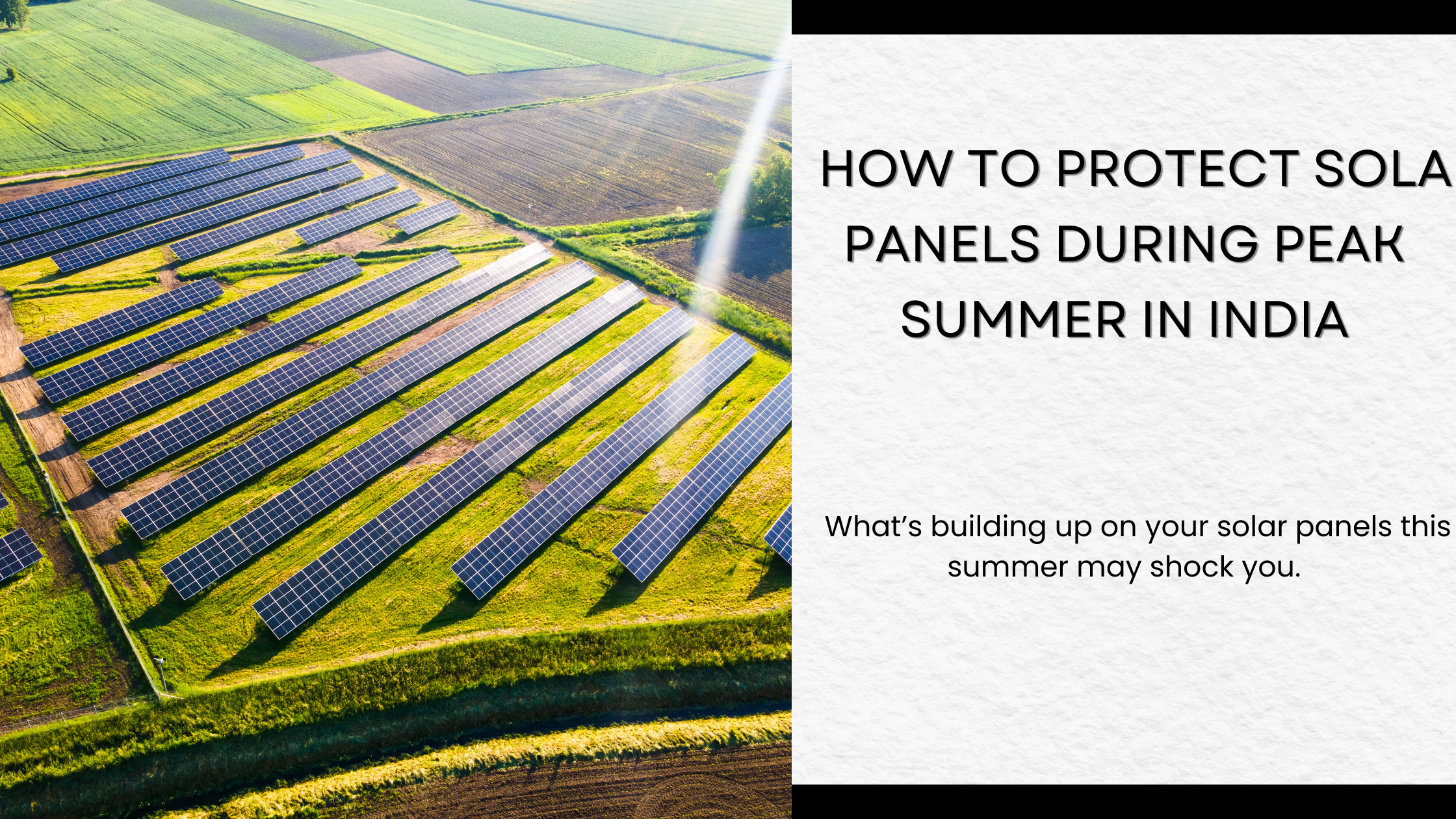
A utility-scale solar power plant typically spans hundreds of acres with hundreds of thousands of individual panels. Unlike rooftop systems that might have 20-50 panels, a 10 MW facility manages 25,000+ panels. The operational demands are exponentially more complex.
Power plants face unique soiling challenges:
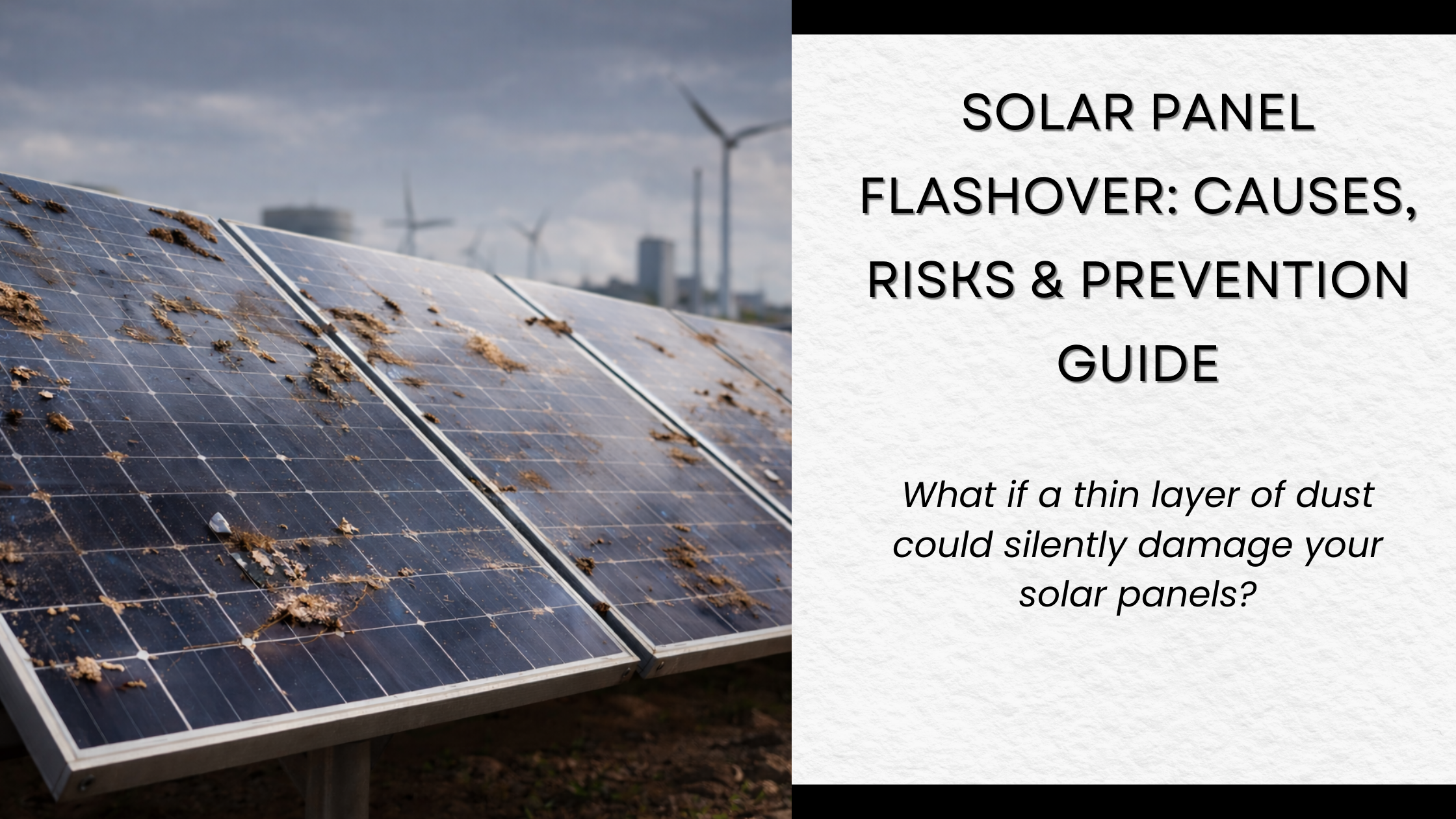
- Heavy dust accumulation from surrounding agricultural or industrial zones
- Continuous equipment vibration that loosens dirt from panels
- Large surface areas exposed to monsoon spray and seasonal pollution
- Strict operational timelines that cannot accommodate extended cleaning cycles
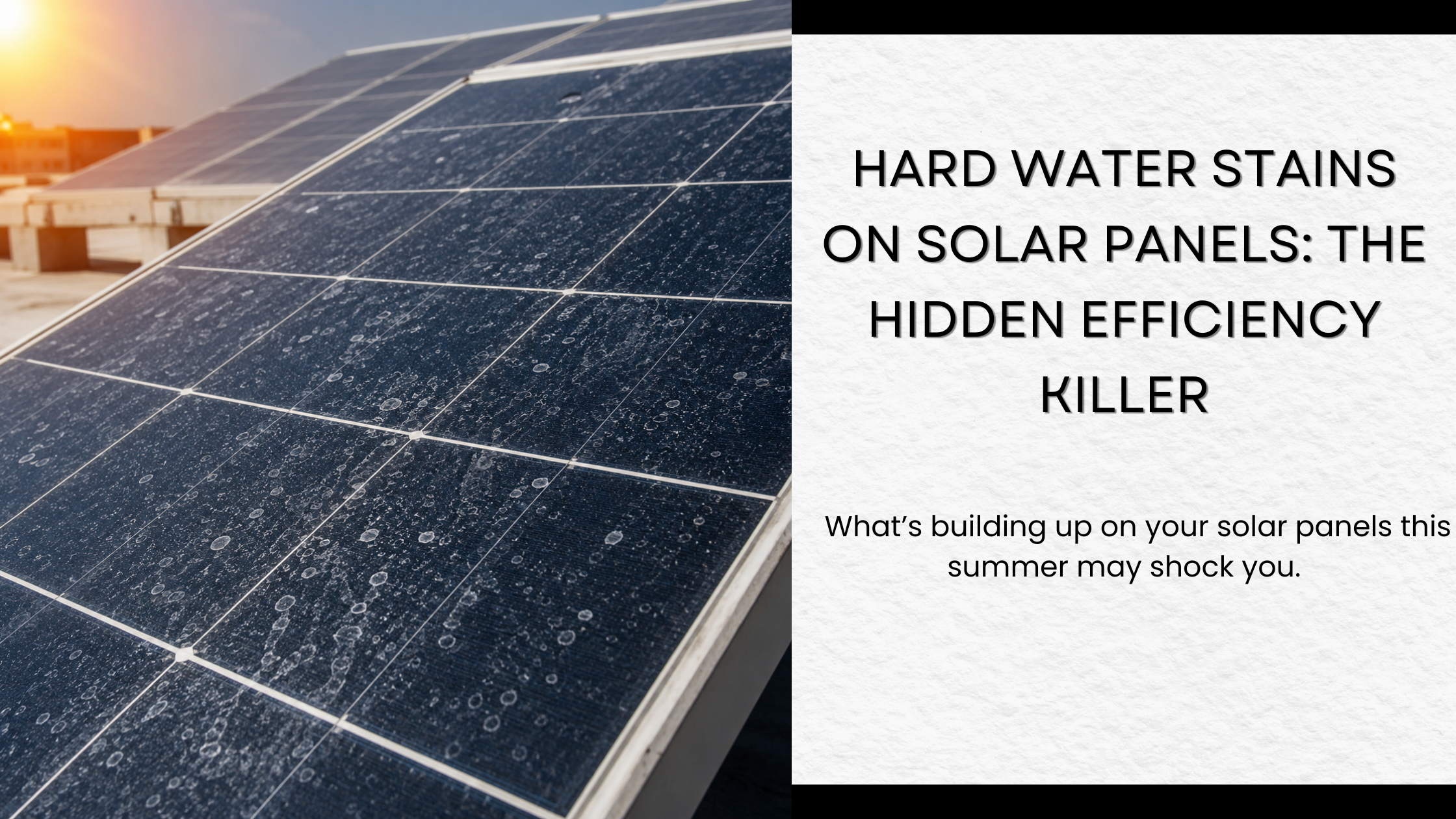
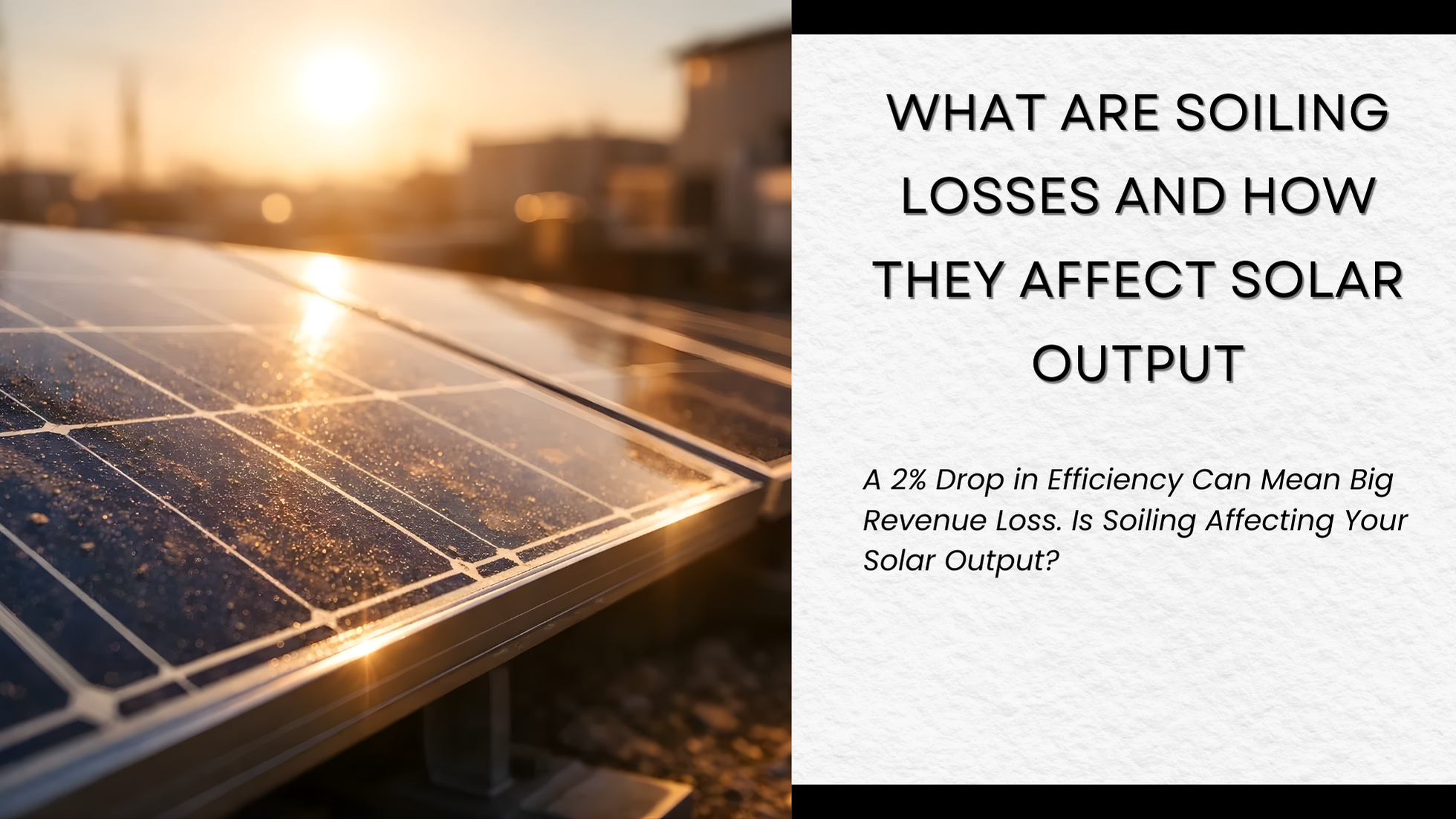
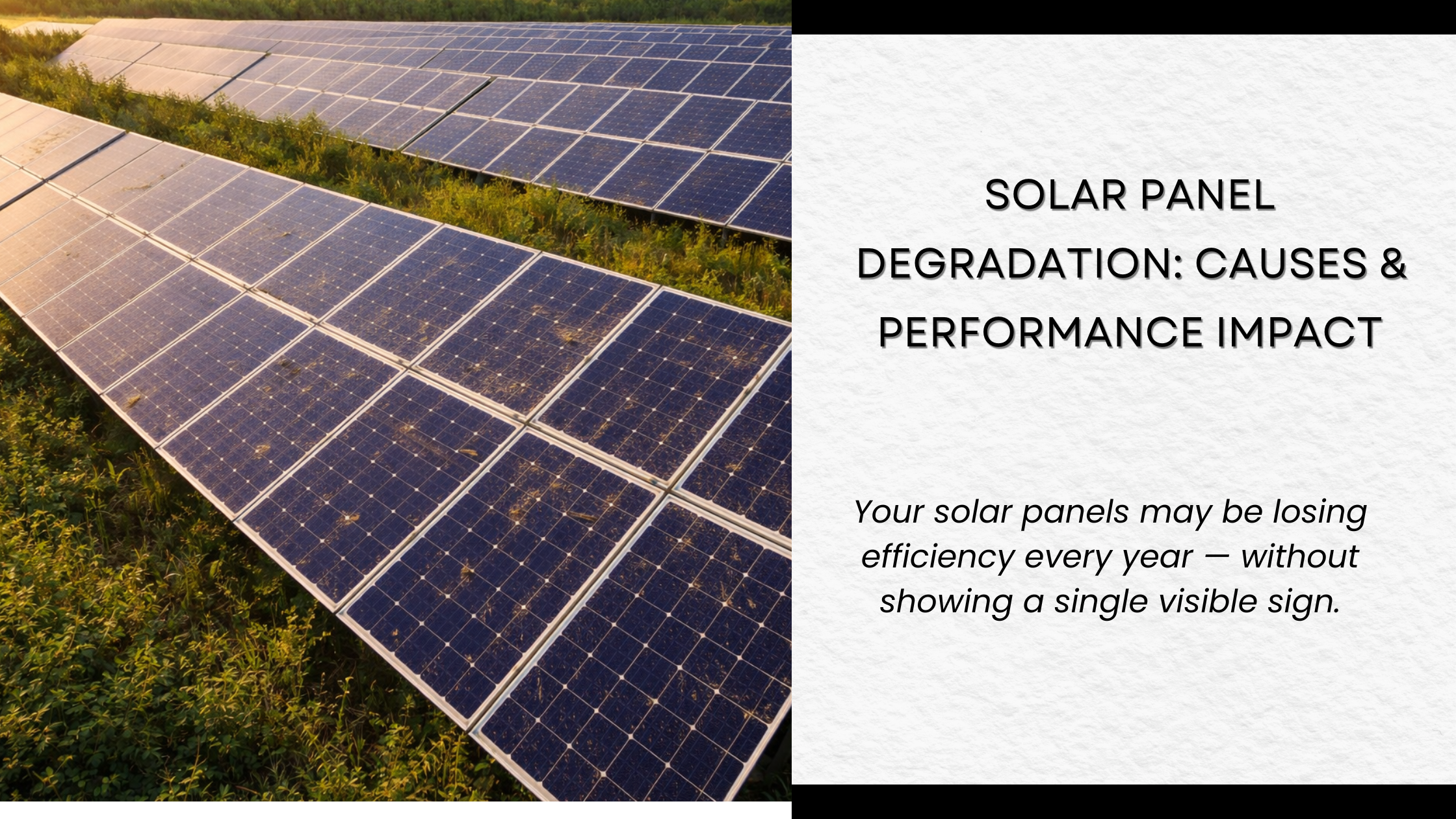
In high-dust regions like Rajasthan, Haryana, and parts of Uttar Pradesh, power plants experience 20-30 percent performance loss within 4-6 weeks without regular cleaning. In coastal areas, salt spray adds another contamination layer. For a 10 MW plant, even a 5 percent efficiency loss equals 5,000+ kilowatts of lost generation capacity daily—translating to significant revenue loss.
This is why industrial solar panel cleaning chemical supplier India operations depend on specialized solutions like Solargent’s power plant solar panel cleaning chemical formulation.
Why Standard Solar Panel Cleaners Are Insufficient for Power Plants
Most commercial solar panel washing liquids are designed for smaller installations. They work adequately for 50-100 panels but present critical challenges at utility scale.
- Inconsistent coverage across massive panel arrays requires multiple passes, increasing water consumption and labor costs
- Standard formulations may not address heavy industrial pollution or specific mineral deposits in power plant regions
- Chemical concentration becomes unpredictable when managing thousands of liters across multiple application zones
- Generic cleaners lack the efficiency specifications that power plant operators require
- Long-term effects on large arrays may degrade performance inconsistently across the facility
A power plant solar panel cleaning chemical must be engineered specifically for industrial-scale operations, addressing these operational realities while maintaining chemical consistency and performance across the entire facility.
The Power Plant Cleaning Protocol: Essential Components
A comprehensive power plant solar panel cleaning protocol includes five critical components:
1
Assessment and Monitoring – Regular performance monitoring through SCADA data identifies efficiency drops that indicate soiling. This data guides cleaning schedules and confirms cleaning effectiveness post-treatment.
2
Cleaning Schedule Optimization – Power plants cannot shut down for cleaning. A proper protocol establishes cleaning cycles that fit operational windows without disrupting generation. Most facilities implement 30-60 day cleaning intervals depending on regional dust levels.
3
Chemical Selection and Concentration – Industrial solar panel cleaning chemical supplier India operations require consistency. Solargent’s power plant formulation maintains stable concentration across multiple batches, ensuring predictable results across thousands of panels.
4
Application Method Standardization – Power plants typically employ three cleaning methods: manual crews for targeted areas, semi-automatic mobile units for large sections, and increasingly, robotic systems for consistency and safety. The power plant solar panel cleaning chemical must perform optimally across all three methods.
5
Safety and Compliance Protocols – Large installations require adherence to electrical safety standards, water disposal regulations, and occupational health guidelines. Industrial-grade cleaning chemicals must meet all compliance requirements.
Solargent Power Plant Protocol: Step-by-Step Implementation
Solargent’s power plant solar panel cleaning chemical is engineered for this multi-step operational reality.
1 Assessment and Baseline Data
Before beginning any cleaning cycle, establish baseline performance metrics. Check SCADA readings to determine current output efficiency. Visually inspect panel arrays to assess contamination type and distribution. This data confirms cleaning effectiveness post-treatment and justifies the cleaning program ROI to stakeholders.
2 Prepare Cleaning Infrastructure
For a comprehensive power plant cleaning program, establish chemical storage areas, dilution stations, and safety protocols. Solargent’s industrial formulation concentrates efficiently, requiring less storage space than less concentrated competitors. Prepare application equipment—whether manual, semi-automatic, or robotic systems—and ensure all operators are trained on proper dilution ratios and safety procedures.
3 Dilution and Preparation
Solargent’s power plant formulation is carefully dosed. Precise dilution is critical—too concentrated and you risk panel damage; too dilute and you sacrifice cleaning effectiveness. For power plants, we recommend working with our technical team to establish exact dilution protocols specific to your facility’s water chemistry and contamination profile. In high-mineral water areas, adjust concentrations accordingly to maintain optimal performance.
4 Systematic Panel Cleaning
Divide the power plant into cleaning zones and address each systematically to ensure consistent coverage. For large facilities, implement a rotating schedule that keeps panels continuously in their optimal performance window. A 50 MW facility might be divided into 10 zones, cleaning each on a staggered 30-day cycle, ensuring no more than 10 percent of panels exceed optimal cleaning intervals simultaneously.
Semi-automatic mobile units provide excellent efficiency for power plants, delivering Solargent across large panel arrays while maintaining consistent pressure and coverage. Robotic systems offer even greater consistency and safety, automatically adjusting cleaning parameters based on real-time performance data.
5 Performance Verification
Post-cleaning, monitor SCADA data for 24-48 hours to confirm performance recovery. A properly executed cleaning program should recover 10-20 percent of lost output within hours of treatment. This improvement verifies that the power plant’s solar panel cleaning chemical effectively addressed soiling and that your maintenance protocol is working correctly.
Addressing Regional Contamination Types
India’s diverse geography creates different power plant challenges. Understanding regional contamination is essential for optimizing your cleaning protocol:
High-Dust Zones (Rajasthan, Gujarat)
Require more frequent cleaning (25-30 day intervals) and industrial solar panel cleaning chemical formulations that specifically target mineral dust and silica particles. Solargent’s power plant formulation excels in these regions, removing heavy dust deposits that other cleaners struggle with.
Coastal Installations (Gujarat, Maharashtra, Goa)
Salt spray creates conductive residue that threatens electrical safety and panel longevity. Solargent’s formulation specifically addresses salt-based contamination, removing deposits that accelerate corrosion on metal components.
Industrial Zones (Delhi, Mumbai, Bangalore)
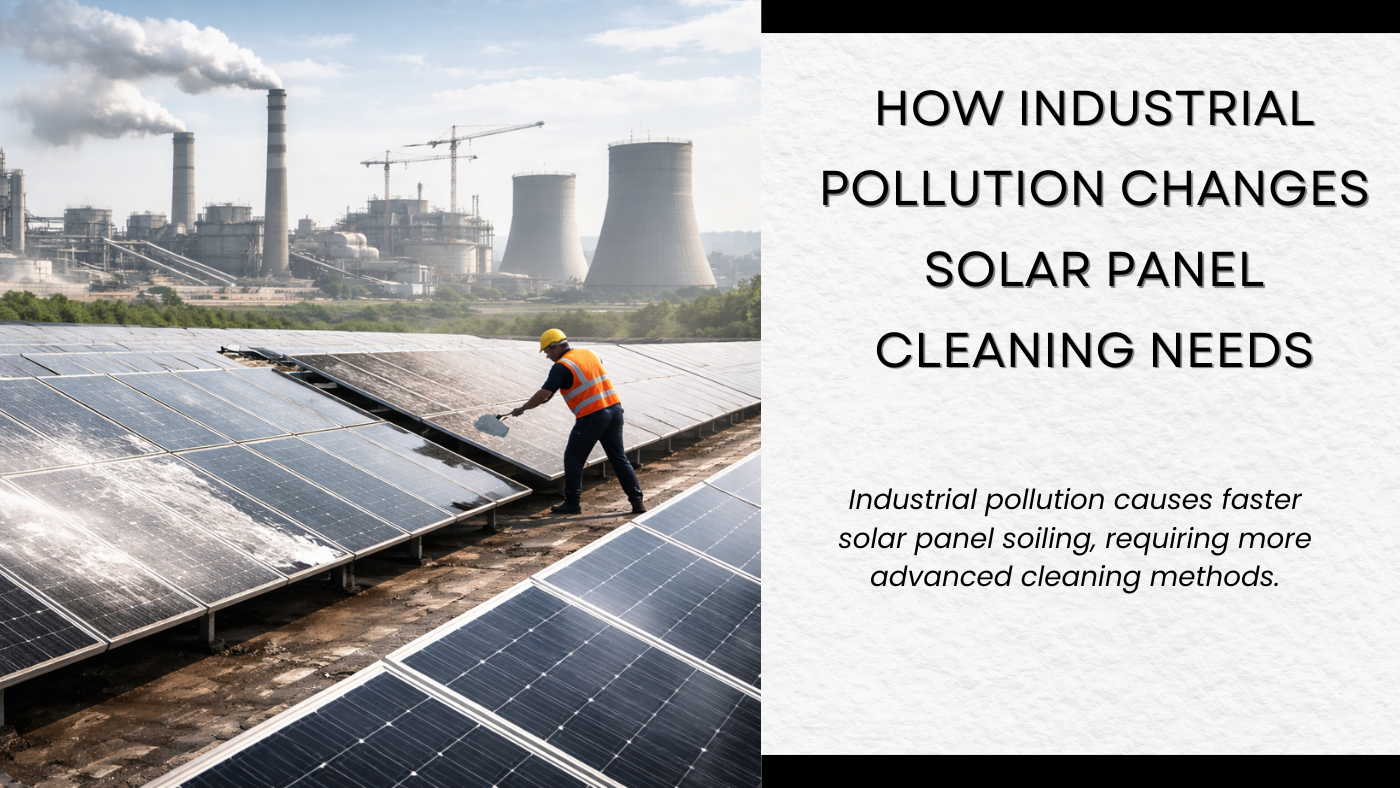
Pollution and industrial particulates require heavy-duty solar panel cleaning chemical characteristics. Solargent’s industrial-grade formulation handles cement dust, metal oxides, and combustion byproducts.
Agricultural Regions (Punjab, Haryana, Uttar Pradesh)
Pesticide residue and crop dust create sticky contamination. Solargent’s chelating agents dissolve these compounds effectively without leaving residual deposits.
Water Usage and Environmental Compliance
Power plants use enormous water volumes for operations. Solar cleaning must be water-efficient. Solargent’s concentrated formulation requires less dilution than standard competitors, reducing total water consumption per cleaning cycle by up to 30 percent. For a 10 MW facility, this translates to thousands of liters in annual water savings—significant in water-scarce regions.
Additionally, Solargent’s biodegradable, eco-friendly formulation meets environmental compliance requirements for water discharge in sensitive areas. Industrial solar panel cleaning chemical supplier India operations must document water quality impacts; Solargent’s eco-safe formulation simplifies regulatory compliance.
Electrical Safety and Panel Protection
A power plant solar panel cleaning chemical must never compromise electrical safety or panel integrity. Solargent is:
- Module-friendly for aluminum frames.
- Safe for silicon cells
- Does not leave residual conductive deposits that could trigger electrical issues
-
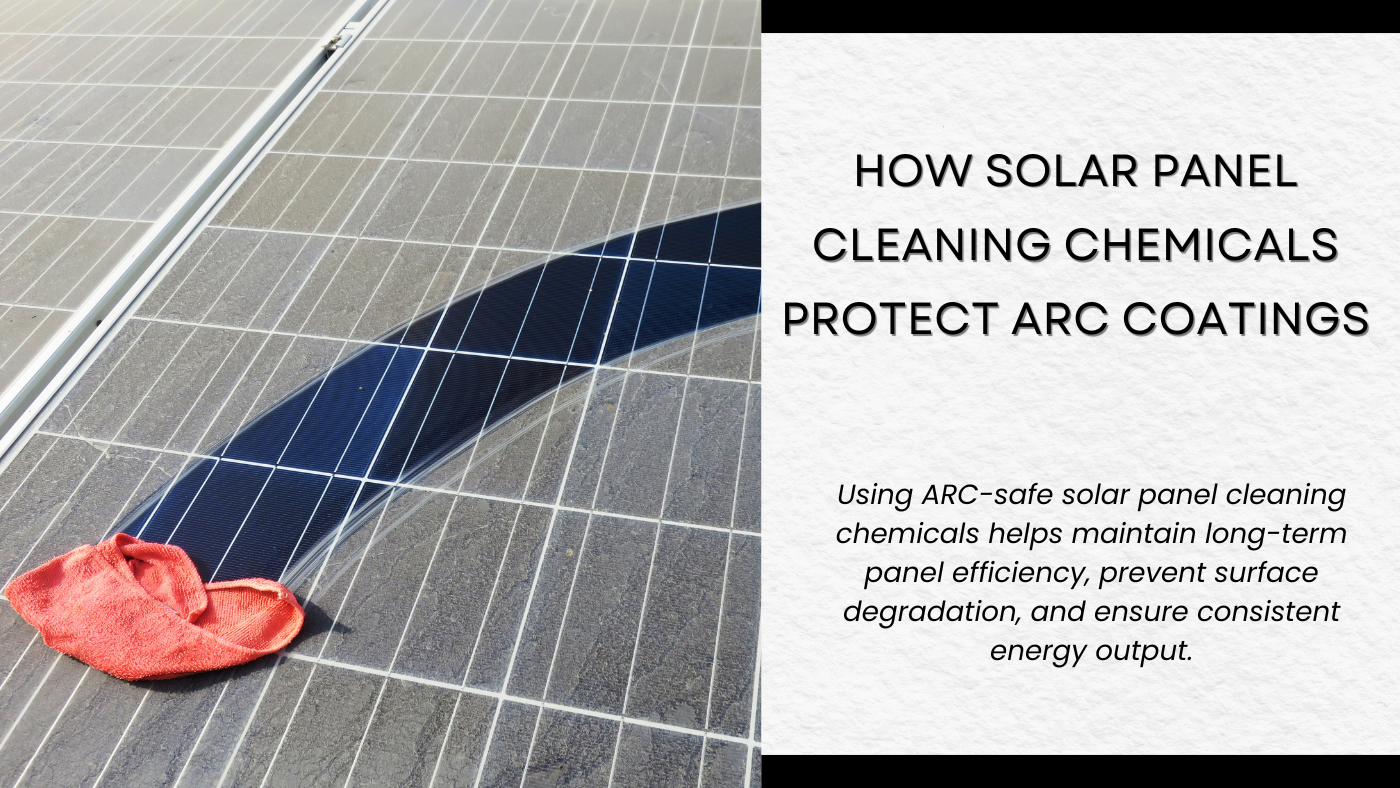
Protects module-friendly surfaces from degradation, ensuring long-term optical performance.
For power plants managing high-value assets, this protection is critical. A $100 million facility depends on cleaning chemicals that actively preserve panel longevity rather than accelerate wear.
Cost Analysis: Power Plant Cleaning ROI
The economics of power plant solar panel cleaning chemical programs are straightforward. A 10 MW facility generating ₹20,000 daily in typical conditions experiences ₹2,000-4,000 daily revenue loss per 5 percent efficiency drop from soiling.
A complete cleaning cycle using Solargent’s power plant chemical costs approximately ₹5,000-8,000 for materials and labor. This treatment recovers 15-20 percent of lost efficiency, generating ₹3,000-8,000 daily revenue recovery. The cleaning cost is recouped within 24-48 hours of operation. For ongoing programs, quarterly cleaning of a 10 MW facility generates 3,000-5,000 percent ROI annually.
These economics justify substantial investment in industrial solar panel cleaning chemical supplier relationships, and comprehensive maintenance protocols.
Integration with Robotic and Automated Systems
Modern power plants increasingly deploy robotic cleaning systems for consistency, safety, and efficiency. Solargent’s power plant solar panel cleaning chemical is engineered for compatibility with automated systems, delivering consistent performance whether applied manually, semi-automatically, or robotically.
Robotic systems can apply Solargent across thousands of panels overnight, maintaining operational output during daylight hours. This capability is increasingly critical as power plant operators seek maximum uptime and generation efficiency.
Scaling the Protocol for Utility-Scale Operations
Whether you operate a 5 MW facility or a 100 MW installation, the core protocol remains consistent, with scaling adjustments for facility size.
Smaller plants (5-20 MW): Typically implement monthly or bi-monthly cleaning cycles using semi-automatic mobile units
Larger utilities (50+ MW): Deploy robotic systems with continuous cleaning rotation, maintaining optimal performance across distributed panel arrays
Solargent’s industrial solar panel cleaning chemical formulation scales seamlessly from 20 MW to 500 MW facilities, maintaining consistent performance and cost efficiency regardless of operation size.
Conclusion: Professional-Grade Power Plant Maintenance
Power plants demand professional-grade solutions. Generic solar panel cleaners are insufficient for utility-scale operations demanding maximum efficiency and minimal downtime. Solargent’s power plant solar panel cleaning chemical and comprehensive maintenance protocols deliver the consistency, safety, and performance that large-scale solar operations require.
From small private installations to major utility operations, thousands of megawatts of solar capacity depend on Solargent’s industrial-strength cleaning chemistry. If you manage a power plant or utility-scale solar facility across India, implementing our complete maintenance protocol ensures optimal performance, maximum ROI, and protection of your substantial solar investment.
Ready to optimize your power plant operations?
Contact our power plant specialists today to discuss customized cleaning protocols for your facility. We work directly with power plant operators to optimize efficiency and ensure your solar investment delivers maximum generation capacity.
📞 Call/WhatsApp
+91-9179662322
Info.solargent@gmail.com
About Solargent
Solargent is India’s leading industrial solar panel cleaning chemical supplier, trusted by power plants, solar farms, commercial installations, and rooftop systems across India. Our specialized formulations are engineered for India’s diverse climate conditions and industrial challenges.