1. Why Solar Panel Performance Matters
Solar energy has become one of the fastest-growing sources of renewable power across the world. In countries like India, where sunlight is abundant for most of the year, solar installations are rapidly increasing across residential rooftops, commercial buildings, and large-scale solar farms.
However, simply installing solar panels does not guarantee maximum energy production. Over time, various environmental and operational factors can lead to solar panel performance loss, reducing the amount of electricity generated by the system.
When solar panels operate below their expected capacity, it directly affects solar power output reduction, energy generation targets, and the financial return on investment (ROI) for the project owner. Even small losses in efficiency can lead to significant power generation gaps over the lifespan of a solar installation.
Understanding the major reasons behind solar panel efficiency loss is essential for maintaining optimal system performance and ensuring that solar investments deliver long-term value.
2. Understanding Solar Panel Efficiency and Power Output
Understanding solar panel efficiency and power output is essential for evaluating the overall performance of a solar energy system. Solar panels generate electricity by converting sunlight into usable power, but various environmental and operational factors can influence how efficiently this process works. Monitoring efficiency and energy output helps identify potential issues early and ensures that solar installations continue to deliver reliable and consistent power generation.
2.1 What Is Solar Panel Efficiency?
Solar panel efficiency refers to the ability of photovoltaic modules to convert sunlight into usable electricity. When sunlight hits the photovoltaic cells inside the panel, it generates electrical energy through a process called the photovoltaic effect.
The higher the efficiency of a solar panel, the greater the amount of electricity it can produce from the same amount of sunlight. However, several factors influence solar power generation and the total solar energy output produced by a system.
These factors include environmental conditions, panel quality, installation angle, temperature, and cleanliness of the panel surface.
2.2 What Causes Solar Panels to Lose Efficiency Over Time?
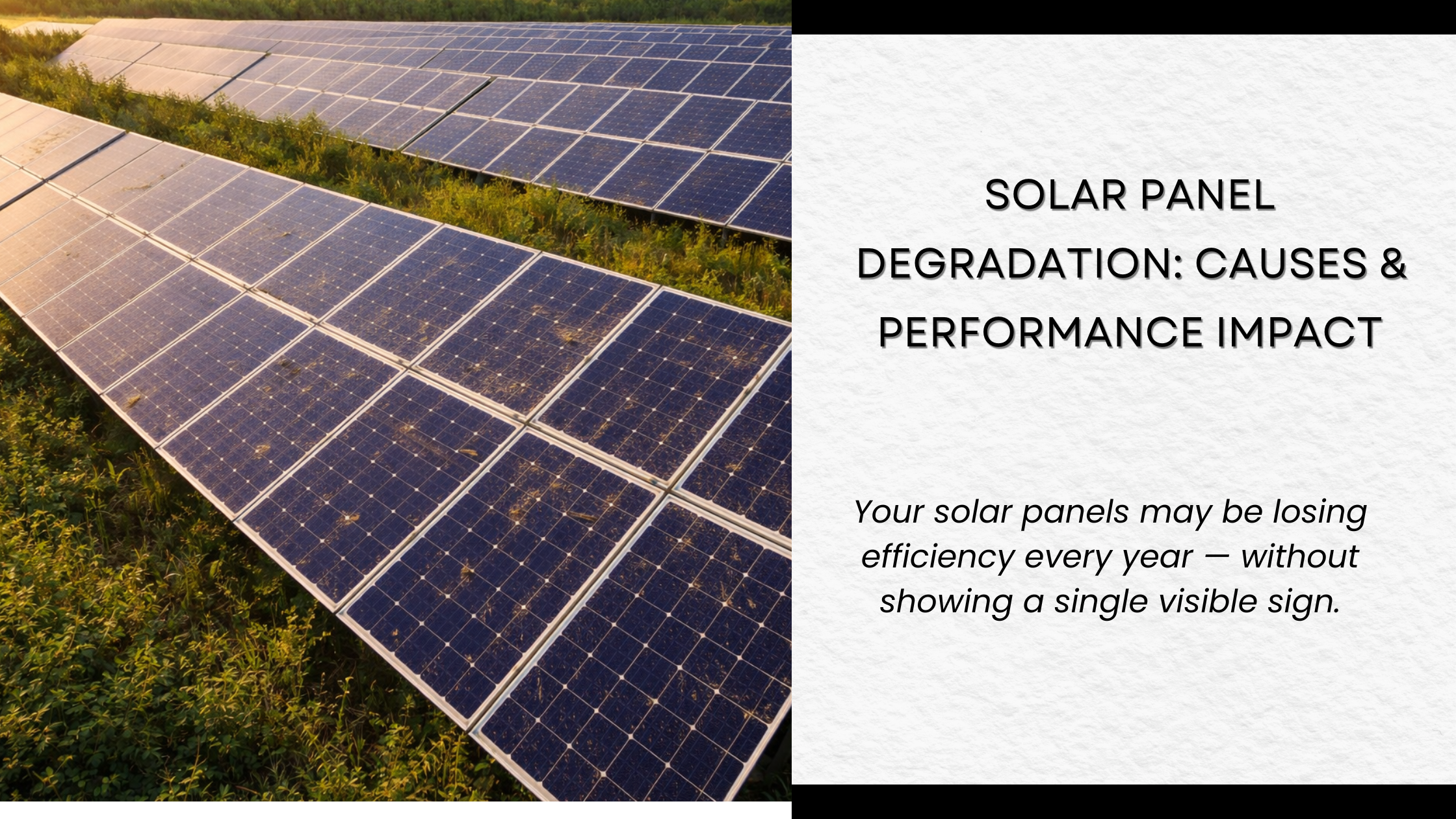
Even the best solar panels experience a gradual efficiency decline over time due to natural aging and environmental exposure. While this degradation usually happens slowly, external conditions such as pollution, dust, and improper maintenance can accelerate the process.
Routine maintenance plays a critical role in maintaining solar panel efficiency and ensuring consistent energy production throughout the system’s operational life.
3. Dust and Dirt Accumulation on Solar Panels
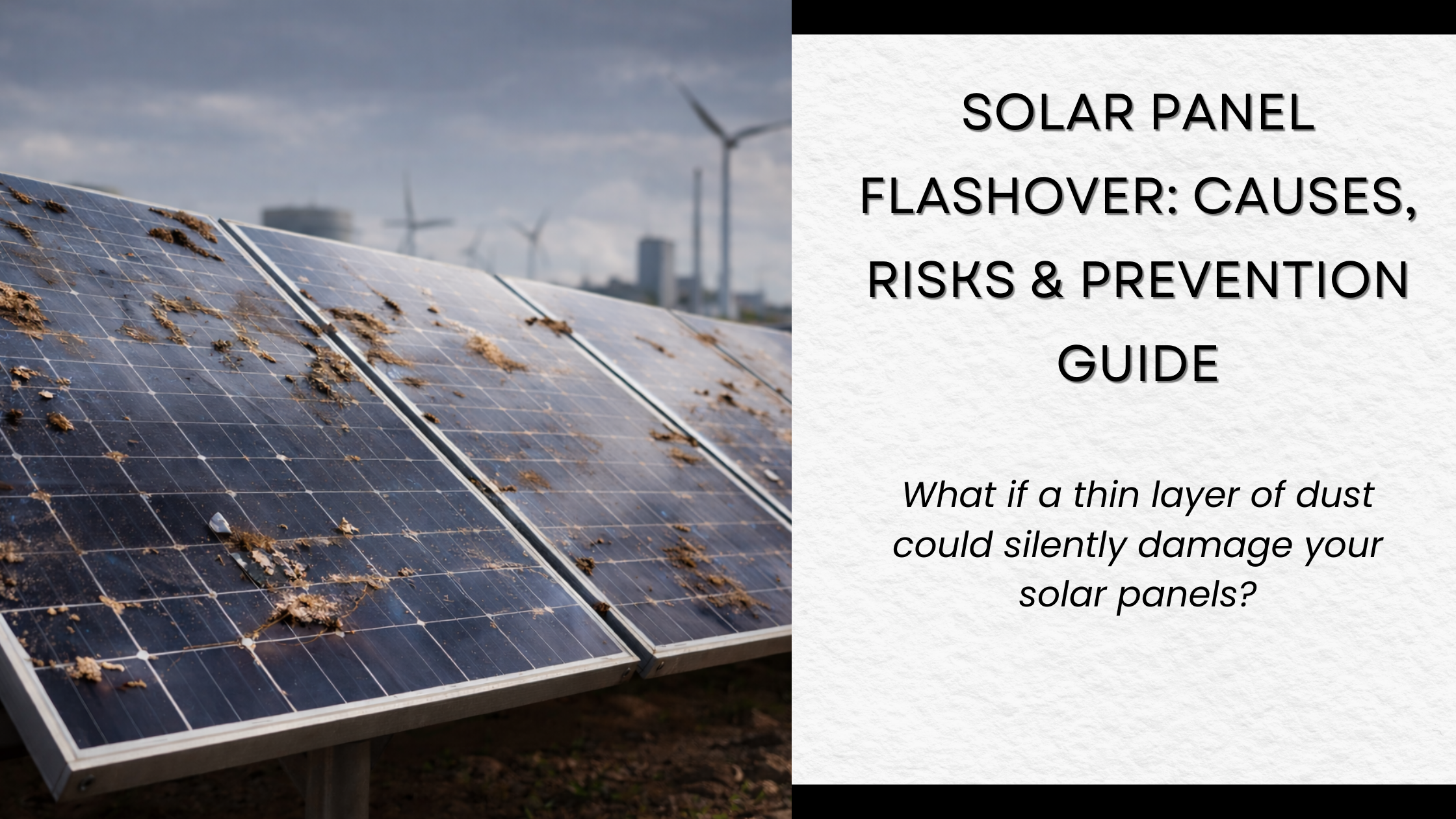
Dust and dirt accumulation is one of the most common reasons behind solar panel performance loss. When particles settle on the surface of solar modules, they create a barrier that blocks sunlight from reaching the photovoltaic cells. Even a thin layer of dust can reduce solar panel efficiency and gradually lower overall power generation if panels are not cleaned regularly.
3.1 How Dust Reduces Solar Panel Performance
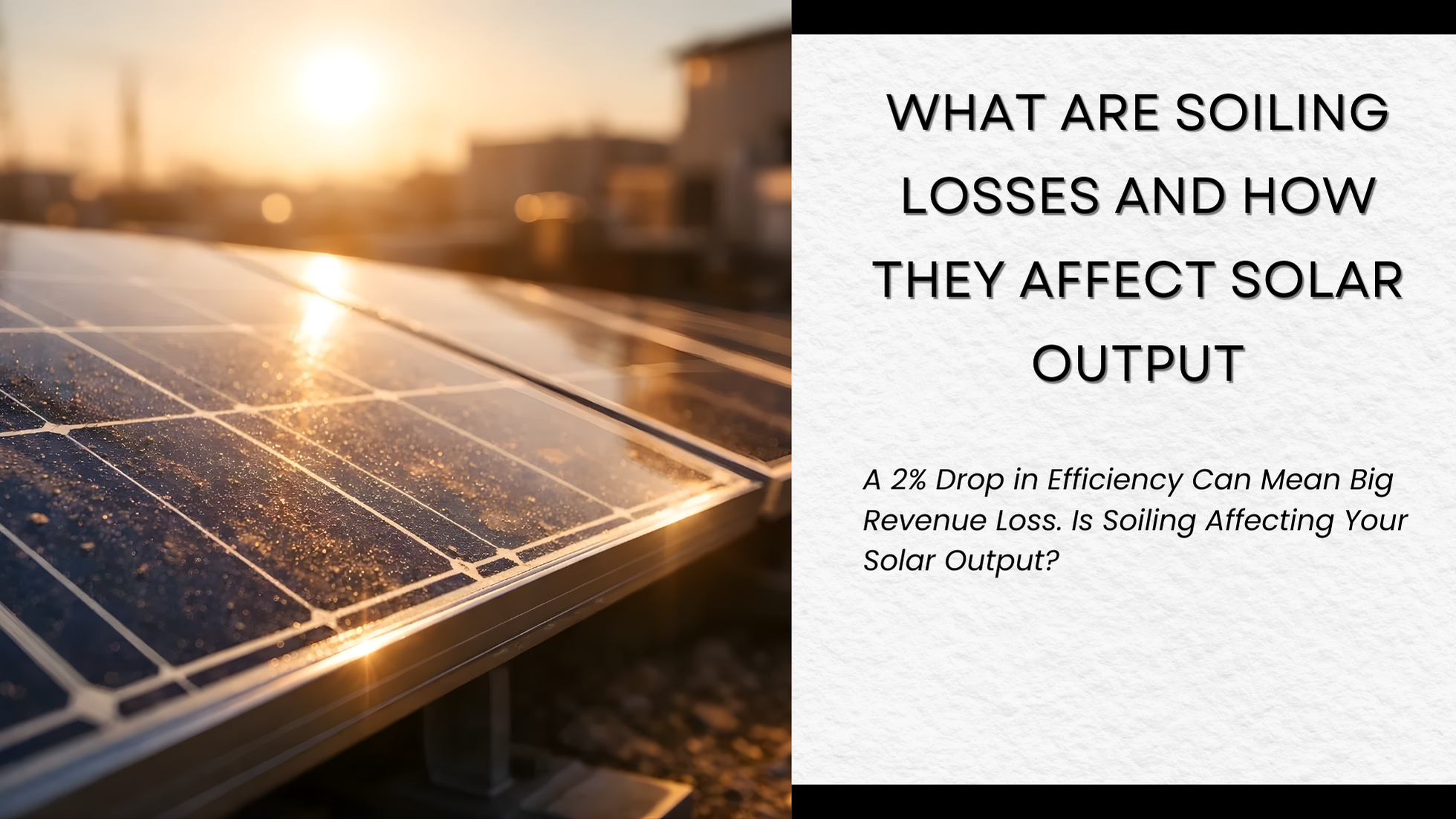
One of the most common reasons for solar panel performance loss is the accumulation of dust and dirt on the panel surface. When dust settles on solar panels, it forms a thin layer that blocks sunlight from reaching the photovoltaic cells.
This phenomenon is often referred to as solar panel soiling loss. Even a small amount of dust can reduce energy production because it prevents sunlight from entering the solar cells efficiently.
The thicker the dust layer, the greater the reduction in energy generation.
3.2 Why Dust Is a Major Problem in India
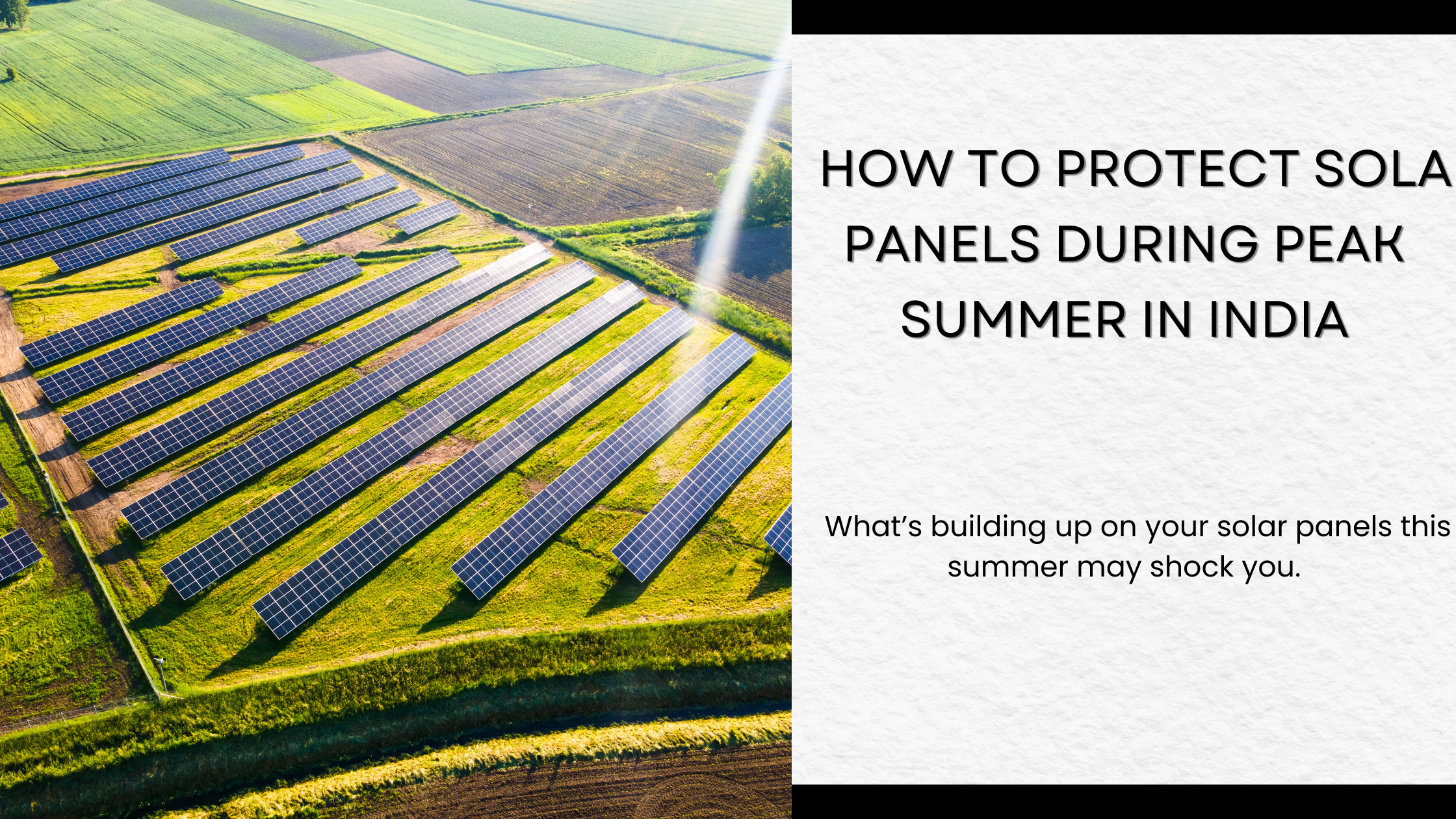
In India, dust accumulation is particularly severe due to environmental conditions. Desert regions, construction activities, agricultural land, and urban pollution all contribute to airborne dust particles.
These particles settle on solar modules and significantly reduce solar farm efficiency if not removed regularly.
This makes solar panel cleaning extremely important, especially in regions with heavy dust and industrial activity.
4. Bird Droppings, Debris, and Organic Contaminants
Bird droppings, leaves, and other organic contaminants can significantly impact solar panel performance. Unlike loose dust, these deposits create localized shading on the panel surface, blocking sunlight from reaching the photovoltaic cells. Over time, such contaminants can reduce energy production and contribute to overall solar panel performance loss if not cleaned regularly.
4.1 How Bird Droppings Affect Solar Panel Efficiency
Bird droppings are another common cause of solar panel contamination. Unlike dust, bird droppings create localized shading on the panel surface.
When a section of the solar panel is shaded, the affected photovoltaic cells produce less electricity. This localized obstruction can significantly reduce the efficiency of the entire panel.
4.2 Leaves, Debris, and Environmental Dirt
Leaves, tree debris, and environmental dirt can also accumulate on solar panels, especially in areas surrounded by vegetation.
These contaminants block sunlight and may also lead to uneven heating across the panel surface. Over time, this can cause additional performance issues in solar modules.
Such solar panel dirt problems highlight the need for regular cleaning and inspection of solar installations.
5. Industrial Pollution and Chemical Deposits
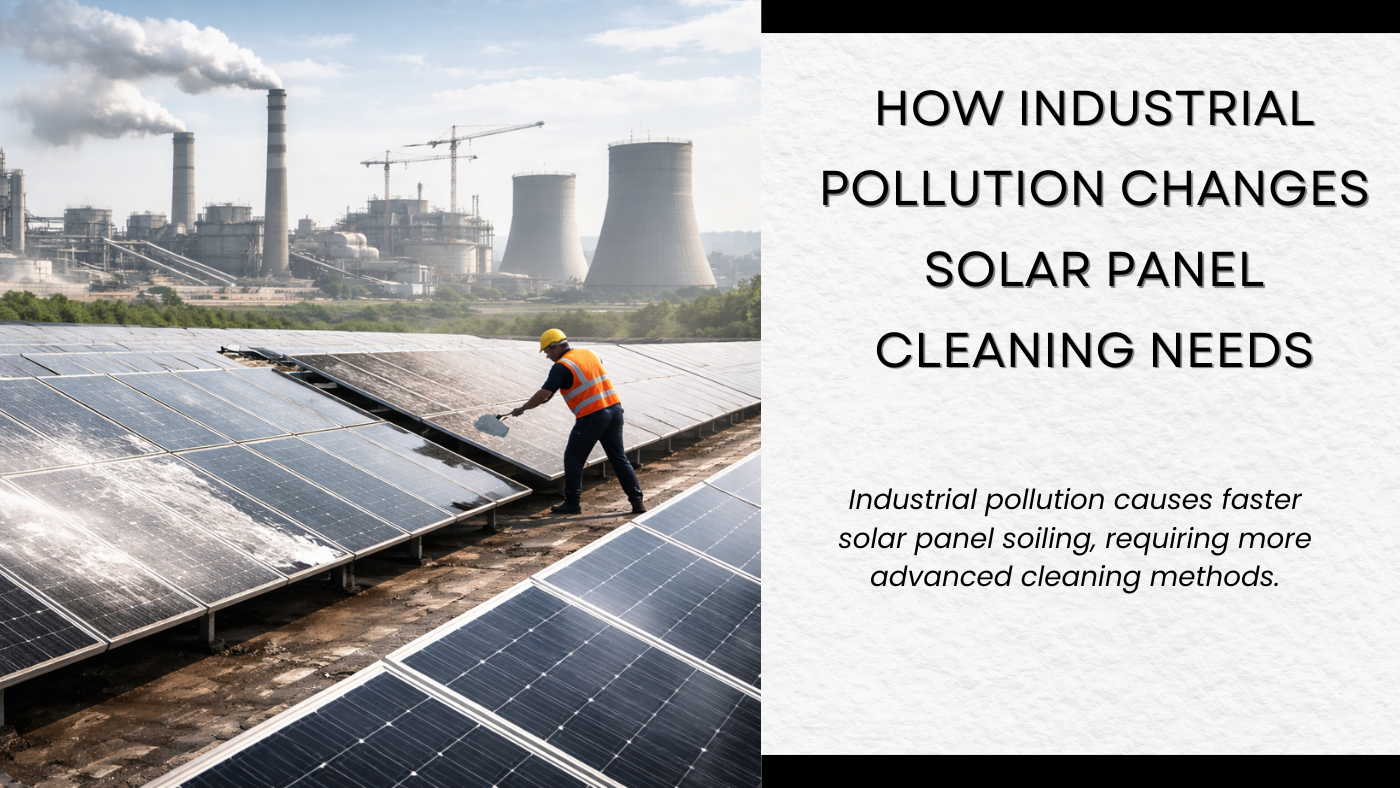
Industrial pollution and chemical deposits can significantly impact the efficiency of solar panels, especially in areas near factories, construction sites, or heavy traffic zones. Airborne pollutants, soot, and chemical particles often settle on solar glass, forming a stubborn layer that reduces sunlight penetration. Over time, this buildup can contribute to solar panel performance loss and make regular cleaning and maintenance essential for maintaining optimal energy production.
5.1 Pollution Deposits on Solar Panel Glass
In industrial regions, solar panels are exposed to airborne pollutants such as chemical particles, soot, and industrial emissions. These pollutants often form sticky grime on solar glass surfaces.
Unlike ordinary dust, these deposits can be difficult to remove and may require specialized cleaning solutions.
5.2 Cement Dust and Construction Residue
Construction activity is another major contributor to solar panel contamination. Cement dust and construction debris can accumulate on solar modules and harden over time.
These deposits reduce the transparency of solar glass and limit the amount of sunlight that reaches the photovoltaic cells.
5.3 Flashover Risk from Polluted Solar Panels
When pollution deposits mix with moisture, they can create conductive layers on the panel surface. This condition may increase the risk of flashover in solar panels, where electrical discharge occurs across the contaminated surface.
Such electrical events can reduce system efficiency and potentially affect long-term module reliability.
6. Shading Issues That Reduce Solar Power Output
Shading is another critical factor that can lead to solar power output reduction. When shadows from nearby trees, buildings, or structures fall on solar panels, they block sunlight from reaching the photovoltaic cells. Even partial shading can significantly affect energy production and contribute to overall solar panel performance loss, especially in systems where panels are connected in series.
6.1 Trees, Buildings, and Structural Shading
Shading is another major factor contributing to solar power loss from shading. Trees, nearby buildings, water tanks, or other structures can cast shadows on solar panels during certain times of the day.
Even partial shading can significantly reduce power generation.
6.2 Impact of Shading on Solar String Performance
In many solar systems, panels are connected in series within a string configuration. If one panel in the string experiences shading, it can reduce the performance of the entire string.
This chain reaction can lead to considerable reductions in overall solar system output.
7. High Temperature and Environmental Conditions
High temperature and harsh environmental conditions can also impact the efficiency of solar panels. Although solar panels rely on sunlight to generate electricity, excessive heat can reduce the performance of photovoltaic cells. Prolonged exposure to high temperatures, humidity, and environmental stress can gradually contribute to solar panel performance loss and lower overall energy output.
7.1 Temperature Impact on Solar Panel Efficiency
Although solar panels rely on sunlight, excessive heat can negatively affect their performance. High temperatures reduce the efficiency of photovoltaic cells, leading to solar panel temperature loss.
This means that solar panels often generate less electricity during extremely hot conditions compared to moderate temperatures.
7.2 Climate Challenges in Solar Installations
In regions with hot, humid, and dusty climates, maintaining optimal solar efficiency can be challenging.
Environmental conditions such as humidity, pollution, and heat can all contribute to solar efficiency in hot climate conditions and gradually reduce energy production.
8. Panel Degradation and Aging
Solar panels are designed for long-term operation, but their performance naturally declines over time due to aging and environmental exposure. Factors such as prolonged sunlight exposure, temperature fluctuations, and electrical stress can gradually affect the efficiency of photovoltaic cells. This natural degradation can contribute to solar panel performance loss over the lifespan of the system.
8.1 Natural Degradation of Solar Panels Over Time
Solar panels are designed to last for 25 years or more, but their performance naturally declines over time.
This gradual decline is known as solar panel degradation and is a normal part of the aging process of photovoltaic components.
Most high-quality solar panels experience only a small efficiency reduction each year.
8.2 Potential Induced Degradation (PID)
Another issue that can affect long-term performance is Potential Induced Degradation (PID). This occurs when voltage differences within the solar system cause electrical leakage within the module.
Over time, PID can contribute to a significant solar panel aging effect, reducing the system’s energy generation capability.
9. Poor Maintenance and Infrequent Cleaning
Poor maintenance and infrequent cleaning are major contributors to solar panel performance loss. When solar panels are not cleaned regularly, dust, pollution, bird droppings, and debris accumulate on the surface, blocking sunlight from reaching the photovoltaic cells. Without proper maintenance, these contaminants can gradually reduce solar panel efficiency and lower overall energy production.
9.1 Importance of Regular Solar Panel Cleaning
Regular cleaning is essential to prevent performance loss caused by dust, pollution, and organic deposits.
Establishing a proper solar panel cleaning frequency helps minimize soiling losses and maintain maximum energy generation.
9.2 Why Water-Only Cleaning Is Not Always Effective
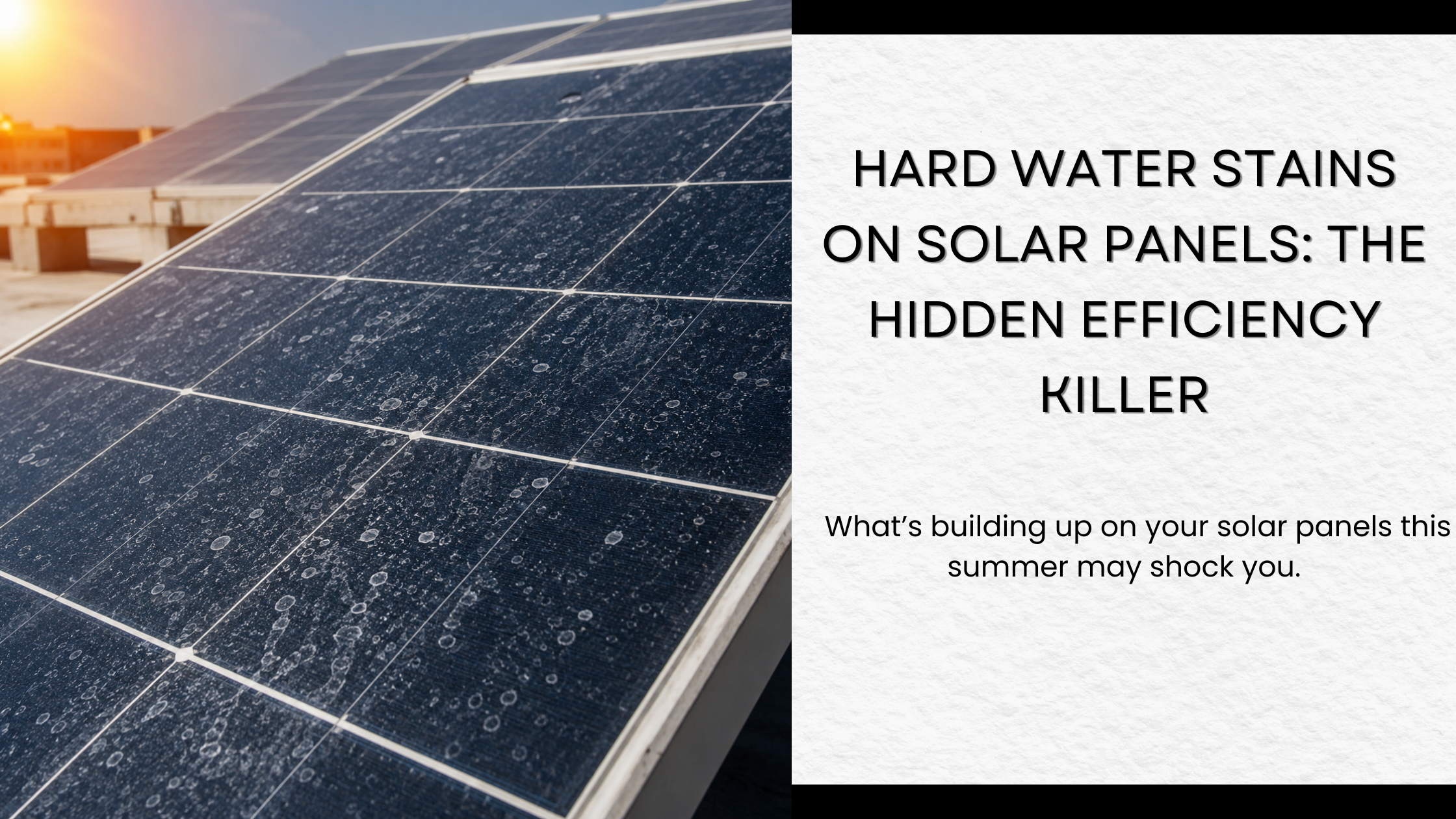
Many solar operators rely on water-only cleaning methods. While water can remove loose dust, it often fails to remove stubborn grime, pollution residues, or mineral deposits.
In some cases, water can leave streaks or deposits on the panel surface, reducing clarity and light absorption.
Following proper solar panel maintenance tips ensures better long-term performance.
10. How Solar Panel Cleaning Chemicals Help Restore Efficiency
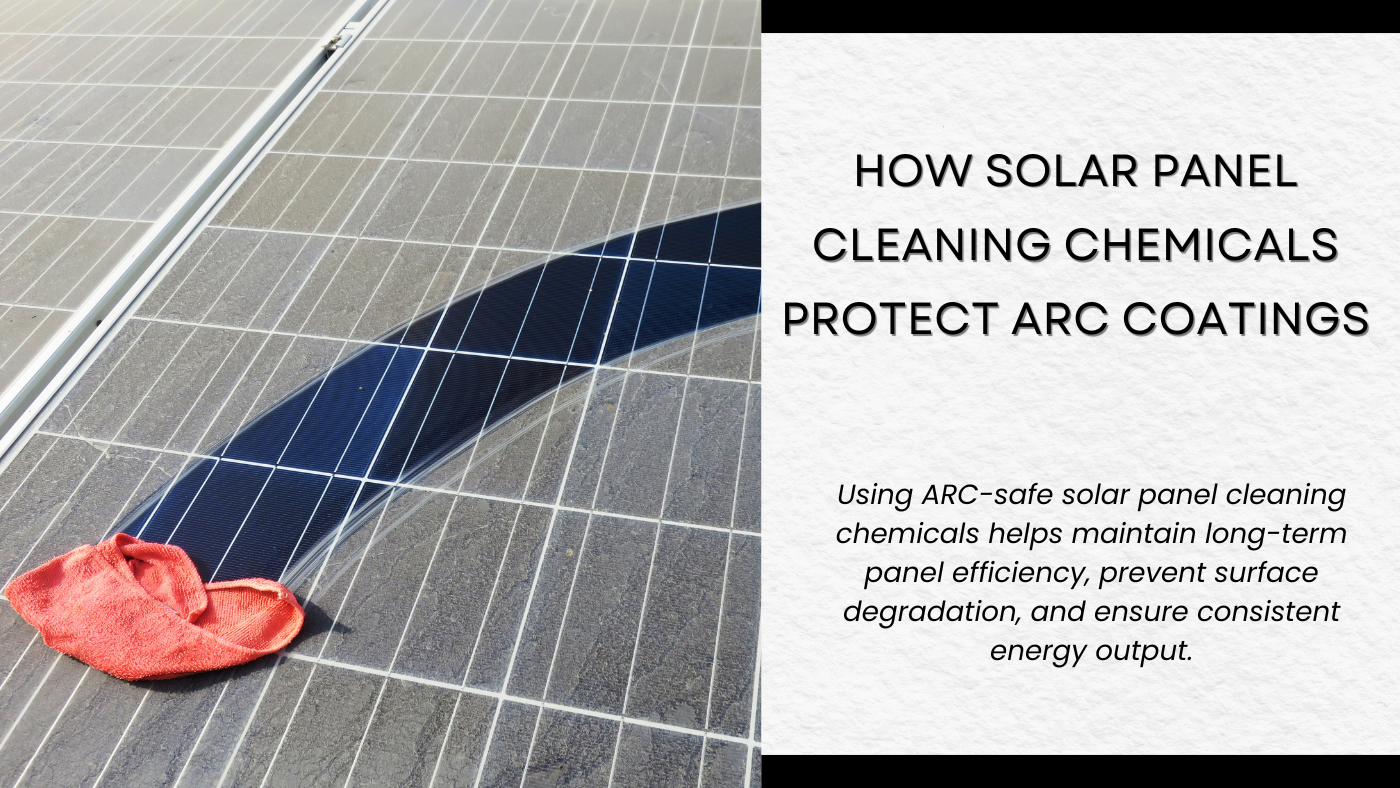
Solar panel cleaning chemicals play an important role in restoring panel efficiency by removing stubborn contaminants that ordinary water cannot dissolve. These specialized solutions help break down dust, industrial pollution, bird droppings, and other deposits on solar glass, allowing maximum sunlight to reach the photovoltaic cells. Regular use of proper cleaning solutions can significantly improve solar panel performance and energy output
10.1 Benefits of Using Specialized Solar Panel Cleaning Solutions
Specialized solar panel cleaning chemical formulations are designed to remove stubborn deposits that ordinary water cannot dissolve.
These solutions can effectively break down industrial grime, pollution particles, and organic contaminants.
10.2 Advantages Over Traditional Cleaning Methods
Compared to traditional cleaning methods, specialized cleaning solutions offer several advantages:
- Residue-free cleaning
- Reduced water consumption
- Improved removal of stubborn contamination
- Safe use on eco-friendly solar panels
A quality solar panel cleaning solution can significantly improve cleaning efficiency in large-scale solar installations.
11. Solargent Solar Panel Cleaning Chemical for Indian Conditions
Solar installations operating in dusty and polluted environments require specialized cleaning solutions.
Solargent offers a solar panel cleaning chemical in India specifically designed to address the environmental challenges faced by solar installations.
Key advantages include:
- Effective removal of dust, cement residue, and pollution deposits
- Safe formulation for solar glass and protective coatings
- Suitable for rooftop systems, solar farms, and large solar power plants
- Compatible with both manual cleaning and automated cleaning systems
These features make it a practical industrial solar panel cleaner for maintaining solar installations in challenging environments.
12. Best Practices to Prevent Solar Panel Performance Loss
Preventing solar performance loss requires a proactive maintenance strategy.
Some of the most effective solar panel maintenance best practices include:
- Establishing a regular panel cleaning schedule
- Monitoring solar energy production regularly
- Conducting routine inspections for contamination or shading
- Using appropriate cleaning solutions and tools
- Implementing professional operation and maintenance (O&M) practices
Following these steps helps ensure long-term solar performance optimization.
13. Conclusion: Protect Your Solar Investment
Solar panels are a valuable long-term investment, but factors like dust accumulation, pollution deposits, shading, high temperatures, and natural panel degradation can lead to solar panel performance loss and reduced energy output. Regular solar panel cleaning, proper maintenance, and performance monitoring are essential to maintain optimal solar panel efficiency and solar power generation. By following effective maintenance practices and using appropriate solar panel cleaning solutions, solar system owners can minimize efficiency loss and ensure consistent energy production over the lifespan of their solar installation.
Improve Solar Panel Efficiency with the Right Cleaning Solution
To maintain maximum solar panel efficiency and energy output, consider using a specialized solar panel cleaning chemical designed to remove dust, pollution, and stubborn contaminants. Solutions like Solargent solar panel cleaning chemical help improve panel cleanliness and support reliable performance for rooftop systems, solar farms, and large solar power plants.
Frequently Asked Questions (FAQs)
1. What causes solar panel performance loss?
Ans. Solar panel performance loss is mainly caused by dust accumulation, bird droppings, pollution deposits, shading, high temperatures, and natural panel degradation. These factors block sunlight from reaching photovoltaic cells and reduce electricity generation.
2. How does dust affect solar panel efficiency?
Ans. Dust forms a thin layer on the panel surface that blocks sunlight from reaching photovoltaic cells. This condition, known as solar panel soiling loss, can reduce energy output significantly if panels are not cleaned regularly.
3. Do solar panels lose efficiency over time?
Ans. Yes, solar panels naturally experience efficiency degradation over time due to aging and environmental exposure. Most high-quality panels lose about 0.5%–1% efficiency per year, but proper maintenance can slow this process.
4. How often should solar panels be cleaned?
Ans. Solar panels should typically be cleaned every 2–4 weeks in dusty regions and every 1–3 months in cleaner environments. Regular cleaning helps prevent dirt buildup and ensures optimal solar power generation.
5. What is the best solar panel cleaning solution?
Ans. The best solar panel cleaning solutions are eco-friendly, residue-free chemicals designed specifically for solar glass and protective coatings. These solutions effectively remove dust, pollution deposits, and organic contaminants without damaging the panel surface..
6. Can water alone clean solar panels effectively?
Ans. Water can remove loose dust, but it often cannot remove stubborn grime, pollution residue, or mineral deposits. Using specialized solar panel cleaning chemicals improves cleaning efficiency and restores panel performance.
7. Why should solar farms use professional solar panel cleaning chemicals?
Ans. Professional solar panel cleaning chemicals help remove industrial pollution, cement dust, bird droppings, and stubborn contaminants more effectively than traditional methods. This improves solar panel efficiency and maximizes energy output.
8. Which solar panel cleaning chemical is suitable for Indian conditions?
Ans. Cleaning solutions designed for dusty and polluted environments are ideal for Indian solar installations. Products such as Solargent solar panel cleaning chemicals are formulated to remove dust, cement residue, and pollution deposits while remaining safe for solar glass.