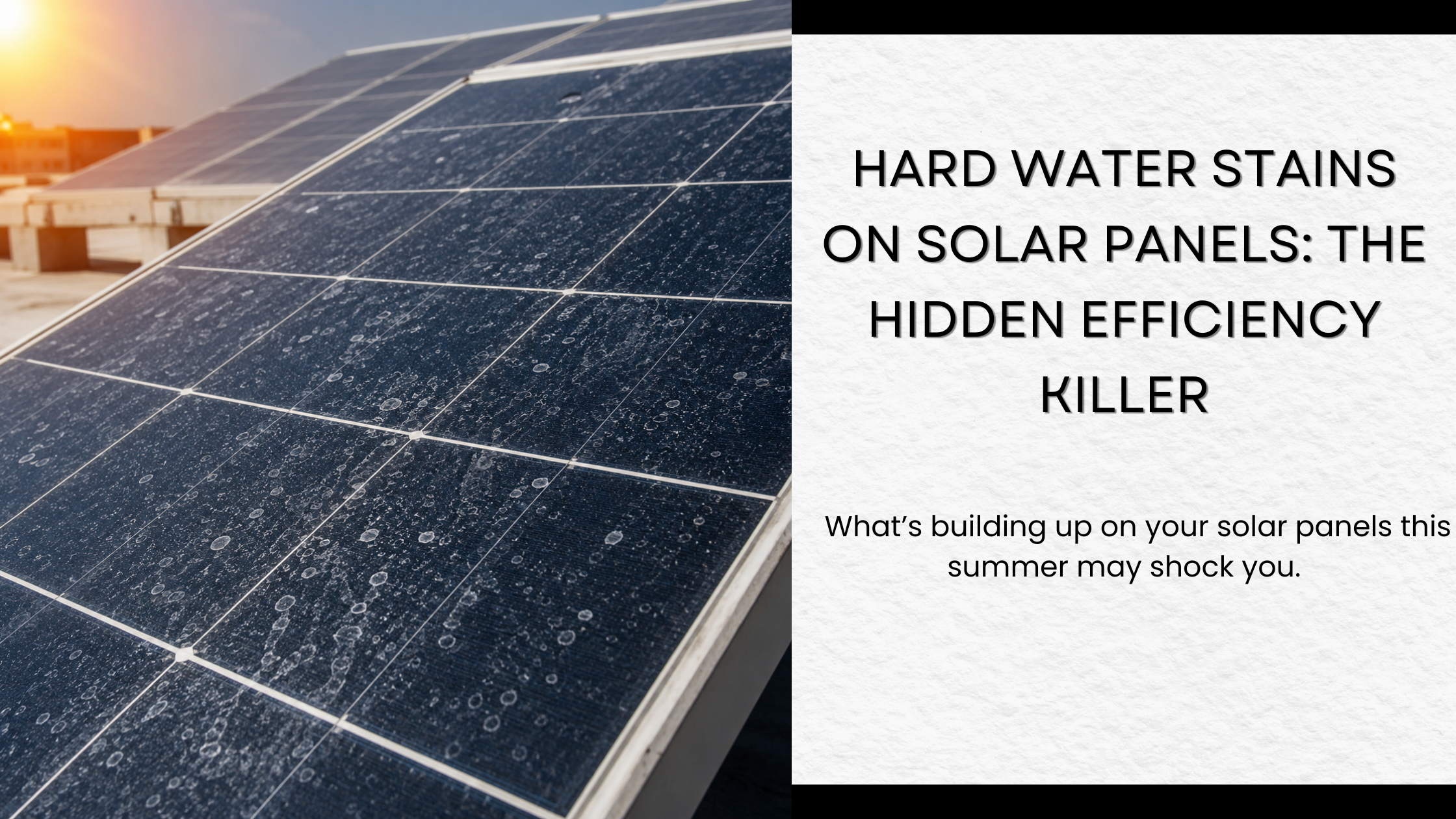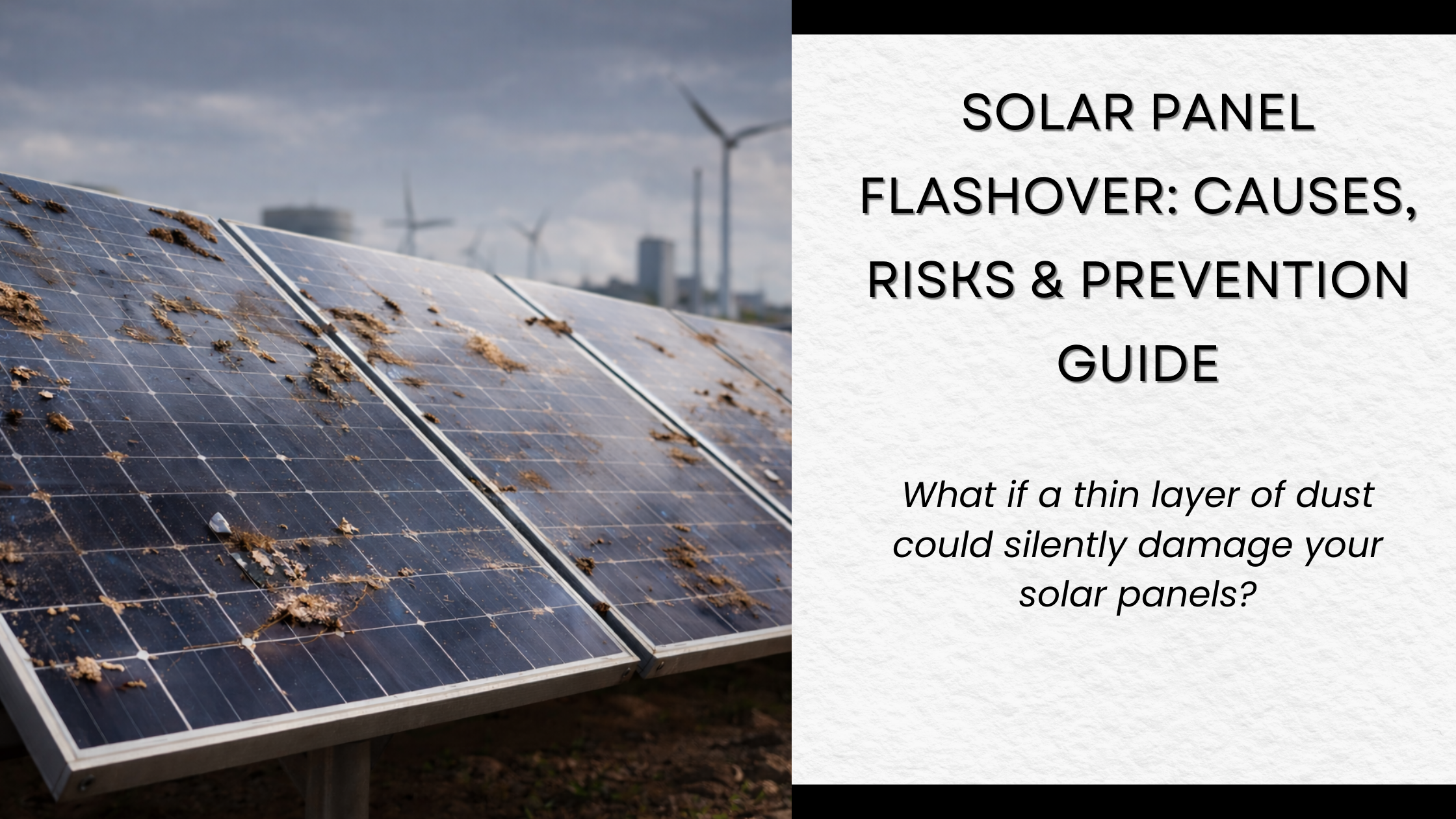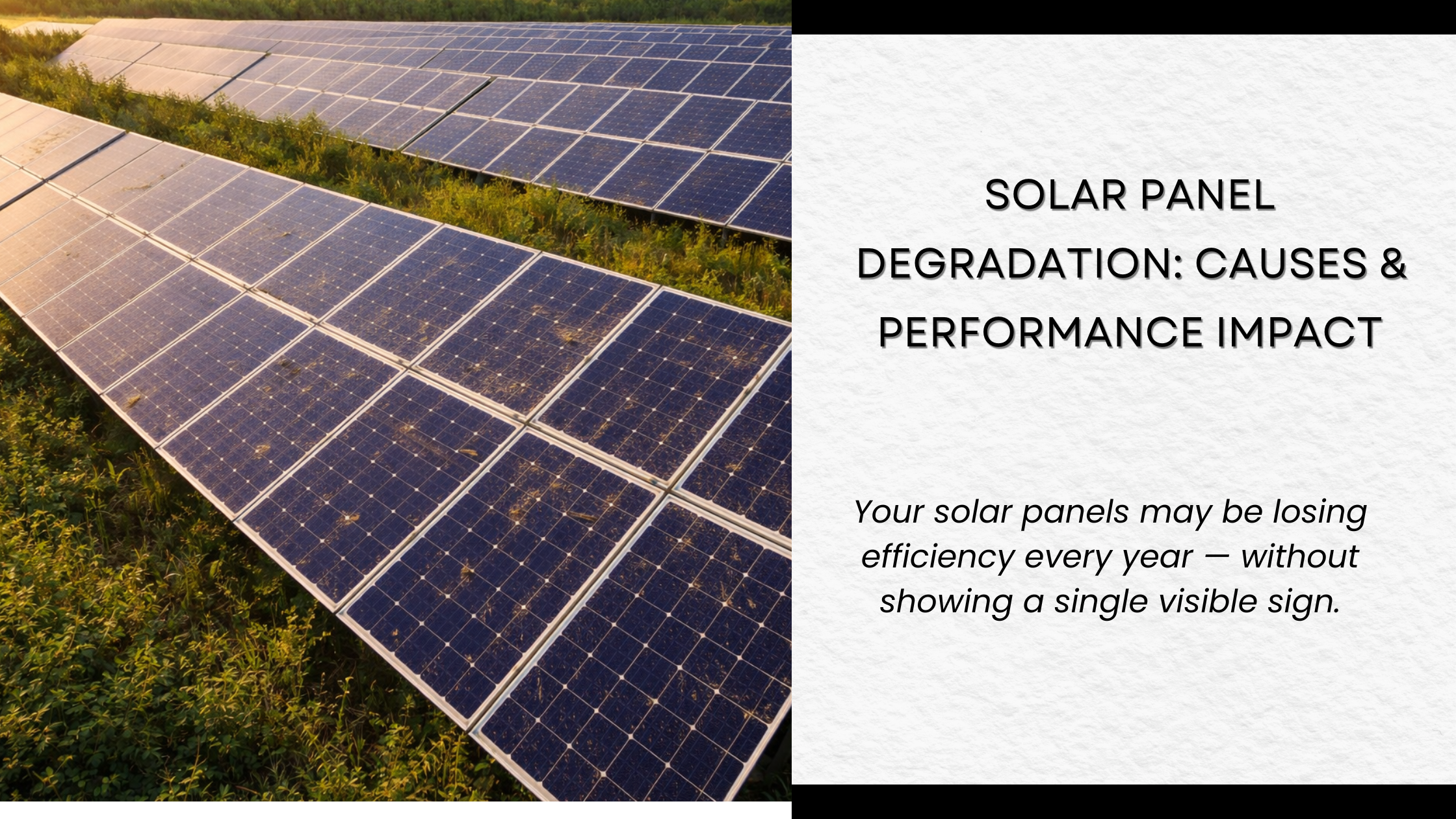
“Soiling losses in solar panels are one of the leading causes of efficiency decline, particularly in high-dust regions like India.”
Why Soiling Losses Matter in Solar Energy Systems
Solar panels are designed to convert sunlight into electricity efficiently—but only when sunlight can reach the panel surface properly. Even a thin layer of dust or residue can block or scatter light, reducing the amount of energy generated. This is where soiling losses come into play. They are one of the most overlooked yet significant reasons behind declining solar performance, especially in countries like India. High dust levels, pollution, construction activity, and weather patterns create conditions where solar panels get dirty faster than expected.
This article explains what soiling losses are, how they occur, why they matter, and how they affect solar output, performance, and long-term system health.
What Are Soiling Losses in Solar Panels?
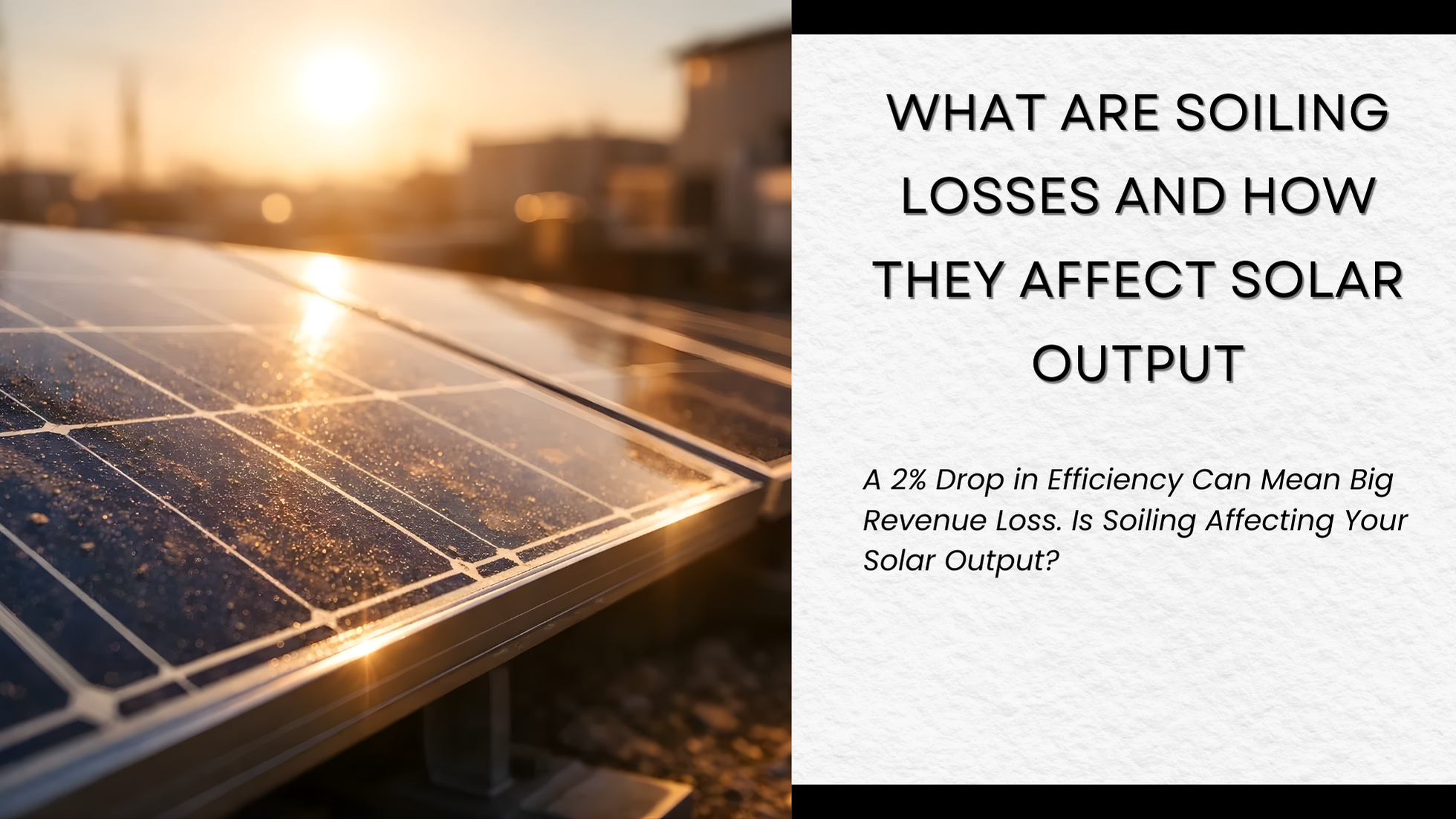
Soiling losses refer to the reduction in solar panel output caused by the accumulation of unwanted material on the panel surface. This material may include dust, pollution particles, bird droppings, or residue left behind by rain.
It is important not to confuse soiling losses with other types of losses:
- Soiling losses: Caused by surface contamination blocking sunlight
- Degradation losses: Natural aging of solar cells over time
- Electrical losses: Losses due to wiring, inverter inefficiencies, or system design
Even a nearly invisible layer of contamination can reduce light transmission, leading to noticeable drops in energy generation. This is why soiling losses in solar panels are often higher than expected.
Common Sources of Solar Panel Soiling
Solar panel soiling occurs due to a combination of environmental, industrial, and biological factors that vary by location and climate. Identifying these common sources of contamination is essential for understanding the extent of solar panel efficiency loss and implementing effective preventive maintenance strategies.
| Source of Soiling | Description | Impact on Solar Output |
|---|---|---|
| Dust and Sand Accumulation | Airborne dust from construction activity, dry soil, and desert winds settles evenly across the panel surface. | Acts like a filter, reducing sunlight intensity and causing steady solar panel efficiency loss over time. |
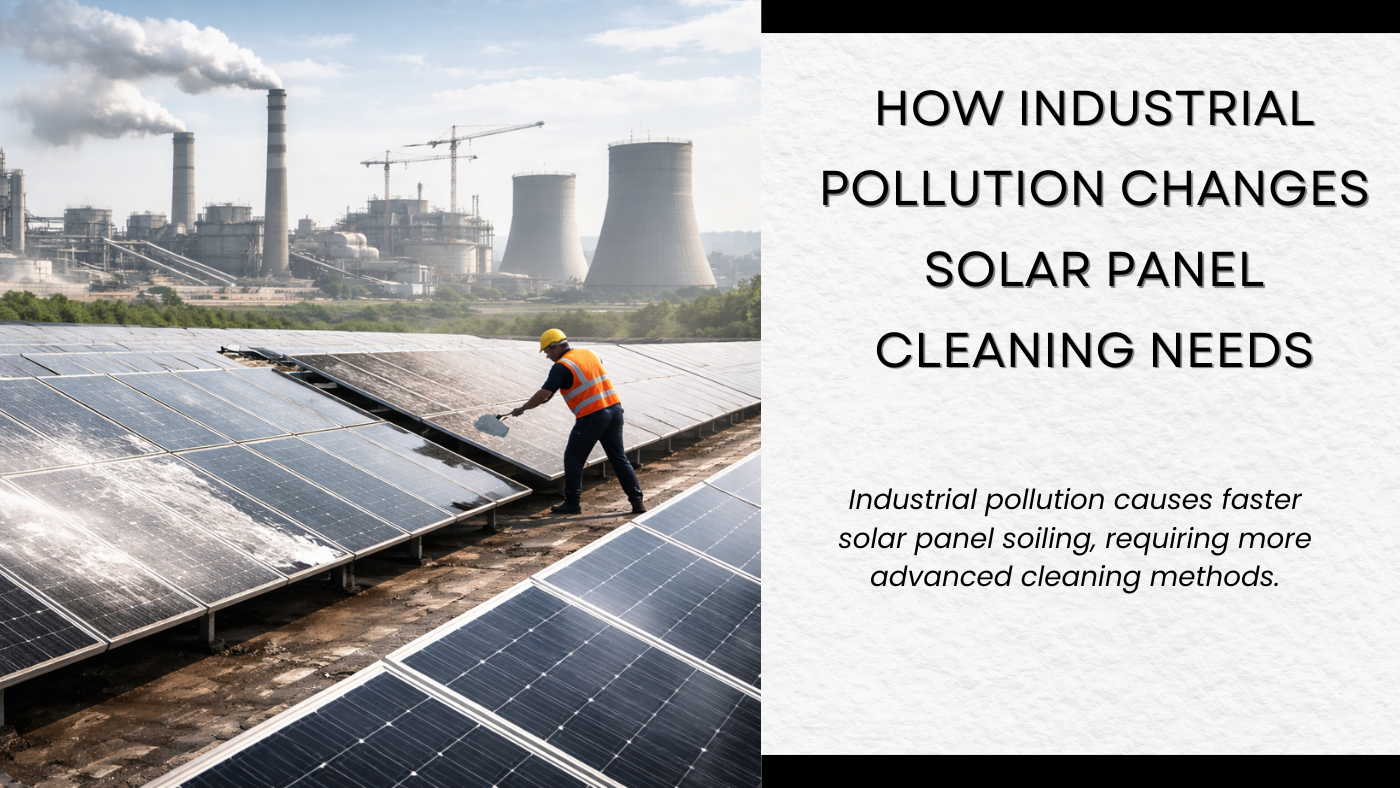
| Industrial Pollution and Airborne Particulates | Exposure to cement dust, fly ash, soot, and chemical particles near highways or industrial zones. | Sticky pollutants attract more dust, increasing solar output loss when cleaning is irregular. |
| Bird Droppings and Organic Debris | Creates localized shading instead of uniform coverage. | Disrupts electrical balance, increases hotspot risk, and may damage the panel surface. |
| Rain-Induced Residue and Grime | Rainwater mixes with dust and pollutants, leaving streaks and sticky residue after drying. | Residue attracts more dirt, accelerating future soiling and efficiency decline. |
| Flashover Residue and Surface Contamination | Electrical discharge events in polluted and humid environments leave stubborn surface residues. | Can damage module-friendly surfaces and lead to permanent performance decline. |
How Soiling Losses Affect Solar Output
Soiling losses directly reduce the amount of sunlight reaching solar cells, leading to measurable solar output loss and overall solar panel efficiency decline. Over time, surface contamination not only impacts daily energy generation but also affects system stability, thermal balance, and long-term performance reliability.
| Impact Area | Explanation | Resulting Effect |
|---|---|---|
| Reduced Light Transmission | Dust and contaminants block and scatter incoming sunlight, preventing uniform light distribution across solar cells. | Immediate power loss and measurable drops in daily energy generation due to reduced irradiance. |
| Uneven Power Generation and Hotspots | Shaded or partially blocked cells behave differently from clean cells, creating an electrical imbalance. | Increased thermal stress, hotspot formation, and accelerated cell aging. |
| Increased Soiling Losses Over Time | Inadequate or irregular cleaning allows contamination to accumulate progressively. | Temporary losses become cumulative, leading to persistent performance decline. |
| Long-Term Impact on Solar Panel Lifespan | Continuous exposure to dirt, residue, and improper cleaning practices. | Surface fatigue, module-friendly surface wear, reduced lifespan, and long-term solar panel performance decline. |
Soiling Losses Across Different Types of Solar Installations
The impact of soiling losses varies significantly depending on the scale, location, and operational environment of the solar installation. Each type of system faces unique exposure conditions and performance risks.
1. Rooftop Solar Systems
Rooftop solar installations, particularly in urban and semi-urban areas, are frequently exposed to vehicle emissions, construction dust, air pollution, and limited rainfall cleaning. Residential systems often lack structured maintenance schedules, leading to the gradual accumulation of dirt over time.
Because rooftop systems are smaller in scale, even moderate solar panel efficiency loss may go unnoticed. However, over extended periods, this unnoticed solar output loss can significantly reduce energy savings and return on investment for homeowners and small businesses.
2. Commercial and Industrial Installations
Commercial and industrial solar systems are typically installed on factory roofs, warehouses, or manufacturing facilities—areas where dust, particulate matter, and operational emissions are consistently present. Continuous exposure to industrial pollutants increases the risk of rapid surface contamination.
Even minor efficiency declines in such systems can translate into substantial energy deficits due to their larger capacity. Reduced generation can impact operational planning, increase dependency on grid electricity, and affect cost optimization strategies.
3. Utility-Scale Solar Power Plants
Utility-scale solar power plants operate across large land areas, often in regions with high dust exposure, such as arid or semi-arid zones. At this scale, even a 1–2% drop in efficiency can result in significant energy production losses and measurable revenue impact.
Because output volumes are high, maintaining performance ratio stability is critical. This makes structured monitoring systems, standardized cleaning protocols, and preventive maintenance strategies essential for minimizing long-term soiling losses and protecting financial returns.
How to Measure and Identify Soiling Losses in Solar Panels
Identifying soiling losses in solar panels requires systematic performance monitoring and surface inspection. Because solar output loss due to dust accumulation can resemble other technical faults, accurate evaluation methods are essential to prevent misdiagnosis.
Solar panel efficiency loss caused by surface contamination is typically measured through the following approaches:
1. Performance Ratio (PR) Monitoring
The performance ratio (PR) is a key indicator used to evaluate the actual energy output of a solar system against its expected output under standard conditions. A gradual decline in PR—without changes in irradiance or system configuration—often signals increasing soiling losses rather than equipment failure.
2. Comparing Clean vs. Soiled Panel Output
In commercial and utility-scale installations, operators sometimes maintain reference panels that are cleaned regularly. Comparing their output with uncleaned panels helps quantify the percentage of solar output loss caused specifically by soiling.
3. Visual Surface Inspection
Physical signs such as dust layers, pollution streaks, bird droppings, or patchy residue provide direct evidence of surface contamination. Uneven dirt patterns may also indicate localized shading risks that contribute to hotspot formation and reduced solar panel performance.
4. Seasonal Performance Trend Analysis
Tracking energy generation data across different seasons helps identify patterns. If output consistently declines during dry or high-pollution periods and improves after cleaning or rainfall, soiling losses are likely the primary cause.
How to Reduce Soiling Losses Effectively
Reducing soiling losses in solar panels requires a proactive maintenance strategy rather than a reactive approach. Since dust accumulation and surface contamination directly impact solar output and long-term efficiency, implementing structured cleaning and care practices is essential for maintaining optimal system performance.
1. Establish Regular Preventive Cleaning Schedules
Waiting until a noticeable drop in solar output occurs is not an efficient strategy. By the time performance decline becomes visible, significant solar panel efficiency loss may have already occurred.
Instead, preventive cleaning schedules should be planned based on:
-
Local dust intensity
-
Seasonal weather patterns
-
Pollution levels
-
Installation type (residential, industrial, or utility-scale)
In high-dust regions, cleaning every 1–3 months may be necessary to prevent cumulative solar output loss. A scheduled approach helps maintain stable performance ratios and protects long-term energy generation.
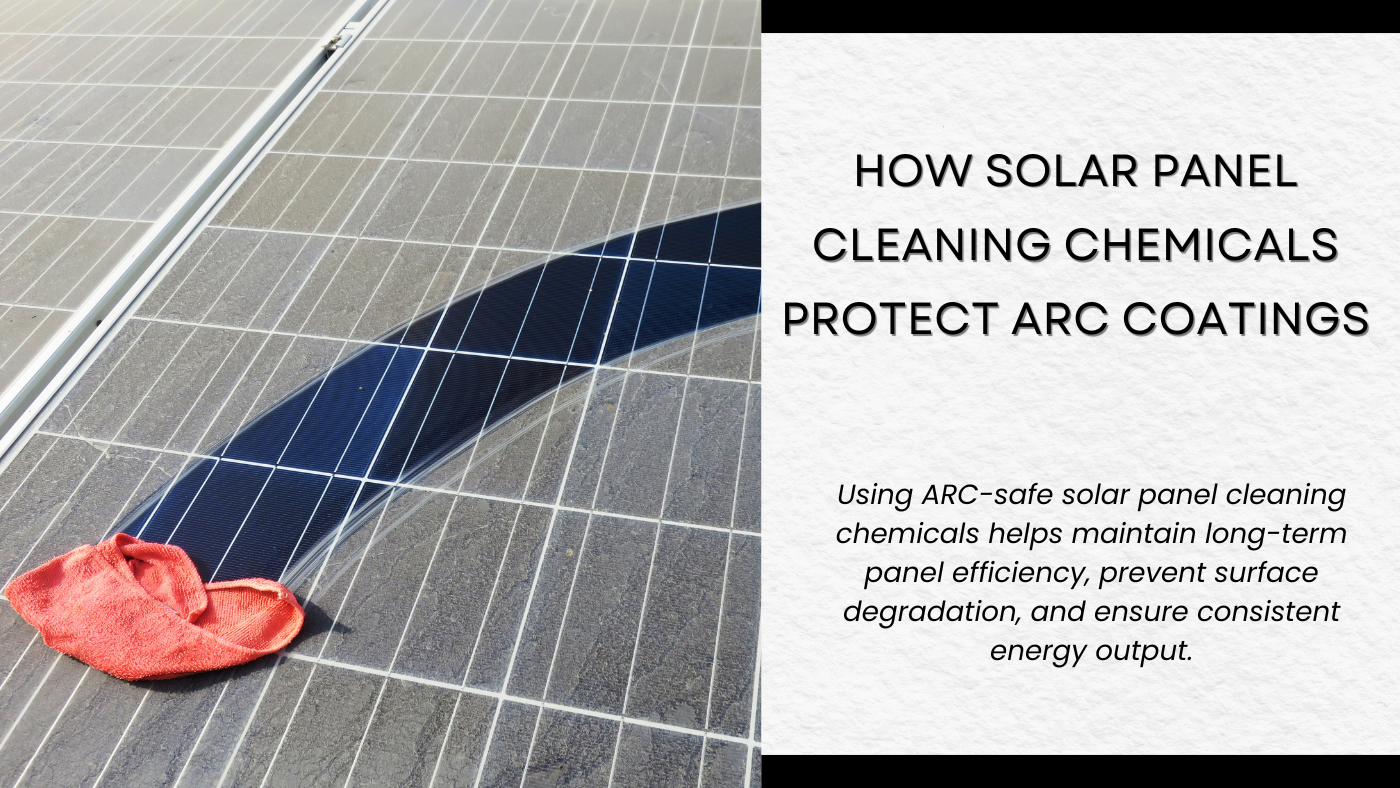
2. Use Professional Solar Panel Cleaning Solutions
Relying solely on plain water is often ineffective, especially in polluted or industrial environments where sticky residue, bird droppings, and chemical particulates adhere firmly to panel surfaces.
Professional solar panel cleaning chemicals that are:
-
Eco-friendly
-
Module-friendly and surface-safe
-
Residue-free.
They are specifically designed to remove stubborn contaminants without damaging the panel surface. Using proper cleaning solutions helps preserve light transmission and prevent premature coating wear.
3. Avoid Improper Cleaning Methods
Incorrect cleaning techniques can cause more harm than the soiling itself. Practices that should be strictly avoided include:
-
Using hard water that leaves mineral deposits
-
Scrubbing with abrasive brushes or rough cloths
-
Applying high-pressure washing equipment
These methods can create micro-scratches, damage module-friendly surfaces, and accelerate long-term solar panel performance decline. Gentle, controlled, and manufacturer-recommended cleaning practices ensure surface protection while restoring optimal efficiency.
Economic Impact of Soiling Losses
Reduced output directly affects revenue and energy savings. Over time, neglected soiling leads to:
- Higher maintenance costs
- Lower return on investment
- Shortened system life
In most cases, the cost of preventive cleaning is significantly lower than the financial loss caused by reduced generation.
Best Practices for Managing Soiling Losses in India
Effective management depends on:
- Local dust and pollution levels
- Type of installation (residential, industrial, utility-scale)
- Water availability and quality
- Use of eco-friendly, water-efficient cleaning methods
India’s diverse climate requires region-specific maintenance planning rather than one-size-fits-all approaches.
Conclusion: Managing Soiling Losses for Maximum Solar Output
Soiling losses in solar panels are a major cause of solar panel efficiency loss and reduced solar output, especially in high-dust and high-pollution regions. Even minor surface contamination can significantly impact daily energy generation if not addressed in time. Without regular monitoring and preventive cleaning, solar output loss can become cumulative, affecting performance ratio, system reliability, and long-term asset value.
Structured maintenance is essential to prevent unnecessary energy and revenue losses. By implementing scheduled cleaning, using module-friendly cleaning solutions, and tracking performance trends, solar system owners can protect solar panel performance, maintain stable energy generation, and maximize return on investment over the system’s lifespan.
Protect Your Solar Performance with the Right Cleaning Solution
To minimize soiling losses and maintain optimal solar output, choosing the right cleaning product is essential. Solargent, based in Neemuch, Madhya Pradesh, offers eco-friendly solar panel cleaning chemicals designed to enhance energy efficiency and protect panel surfaces. Serving clients across Southern and Central India—including Tamil Nadu, Kerala, Karnataka, Telangana, and Andhra Pradesh—Solargent helps solar system owners safeguard performance and maximize long-term returns.
Frequently Asked Questions (FAQs)
1. What are soiling losses in solar panels?
Ans. Soiling losses are reductions in solar panel output caused by dust, pollution, bird droppings, or residue blocking sunlight from reaching the solar cells, leading to decreased solar efficiency and power generation.
2. How much energy loss can soiling cause?
Ans. Soiling losses can reduce solar output by 5% to 25% annually, depending on dust levels, pollution exposure, location, and cleaning frequency.
3. Does rain completely clean solar panels?
Ans. No. Rain may remove loose dust, but it often leaves streaks and residue in polluted areas, which can worsen solar panel efficiency loss over time.
4. How often should solar panels be cleaned in India?
Ans. In high-dust regions, solar panels should be cleaned every 1–3 months to prevent cumulative solar output loss and maintain stable performance.
5. Can soiling losses permanently damage solar panels?
Ans. Yes. Long-term contamination can damage module-friendly surfaces, create hotspots, and accelerate solar panel performance decline if not properly managed.
6. What is the difference between soiling loss and degradation loss?
Ans. Soiling loss is temporary and caused by surface dirt, while degradation loss is permanent and occurs due to natural aging of solar cells over time.