What Is Solar Panel Degradation and Why Does It Matter?
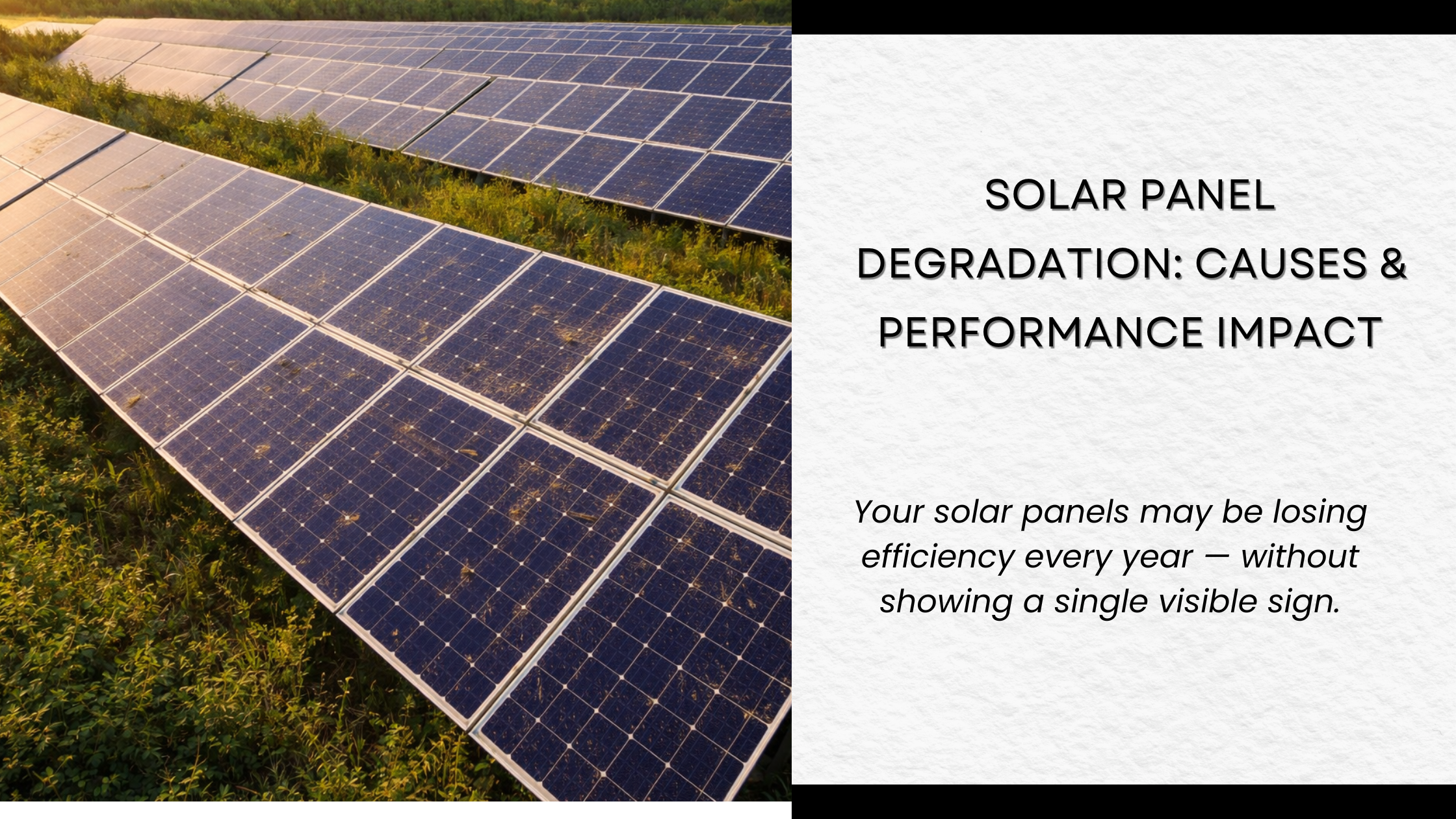
Solar panel degradation is the gradual decline in solar panel efficiency over time, typically at a rate of 0.3% to 0.8% per year. It occurs due to environmental exposure, electrical stress, and material aging.
Solar panels are often described as long-lasting energy systems, and rightly so. However, many system owners are surprised to notice that energy generation slowly declines over the years, even when there is no visible damage. This gradual reduction in performance is known as solar panel degradation. Unlike sudden failures, degradation happens silently. Output drops year after year, often unnoticed until the difference becomes significant. Understanding what degradation is, why it occurs, and how it affects long-term performance is essential for anyone relying on solar energy for consistent power generation.
How Solar Panel Efficiency Declines Over Time
Solar panel degradation refers to the natural decline in a panel’s ability to convert sunlight into electricity over time. From the moment a panel starts operating, environmental exposure and internal wear begin to affect its efficiency. This process does not mean the panel stops working. Instead, it produces slightly less power each year compared to its original output. Degradation is expected, measurable, and unavoidable to some extent—but its rate varies widely depending on conditions, materials, and system management.
How Solar Panels Degrade Over Time
Solar panels are exposed to the outdoors 24/7. Over the years of operation, multiple stress factors act together.
Exposure to Sunlight and Heat
Continuous exposure to ultraviolet radiation and high temperatures slowly affects solar cell materials. Thermal expansion and contraction during daily temperature cycles cause micro-level stress inside the panel.
Environmental Stress
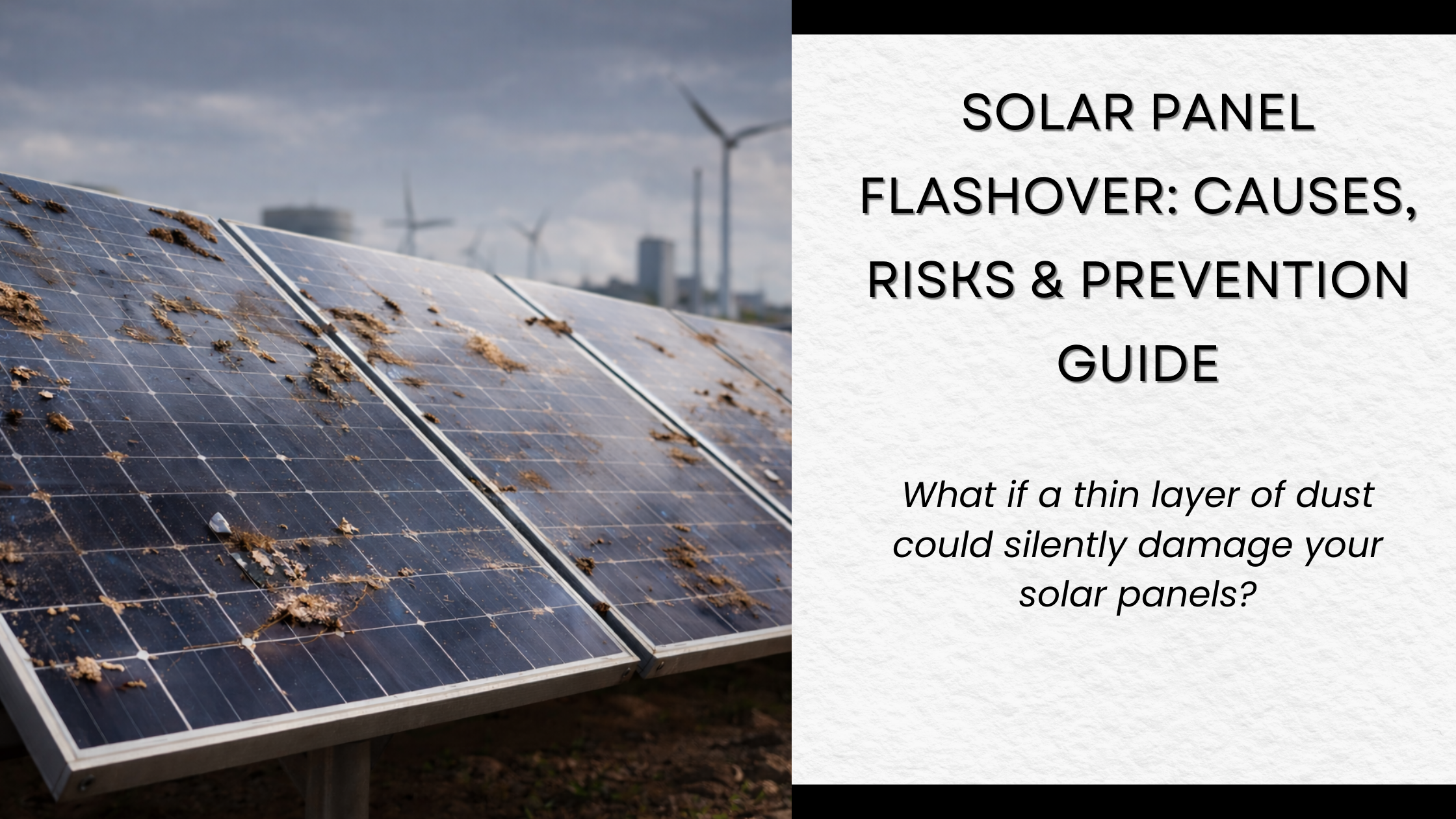
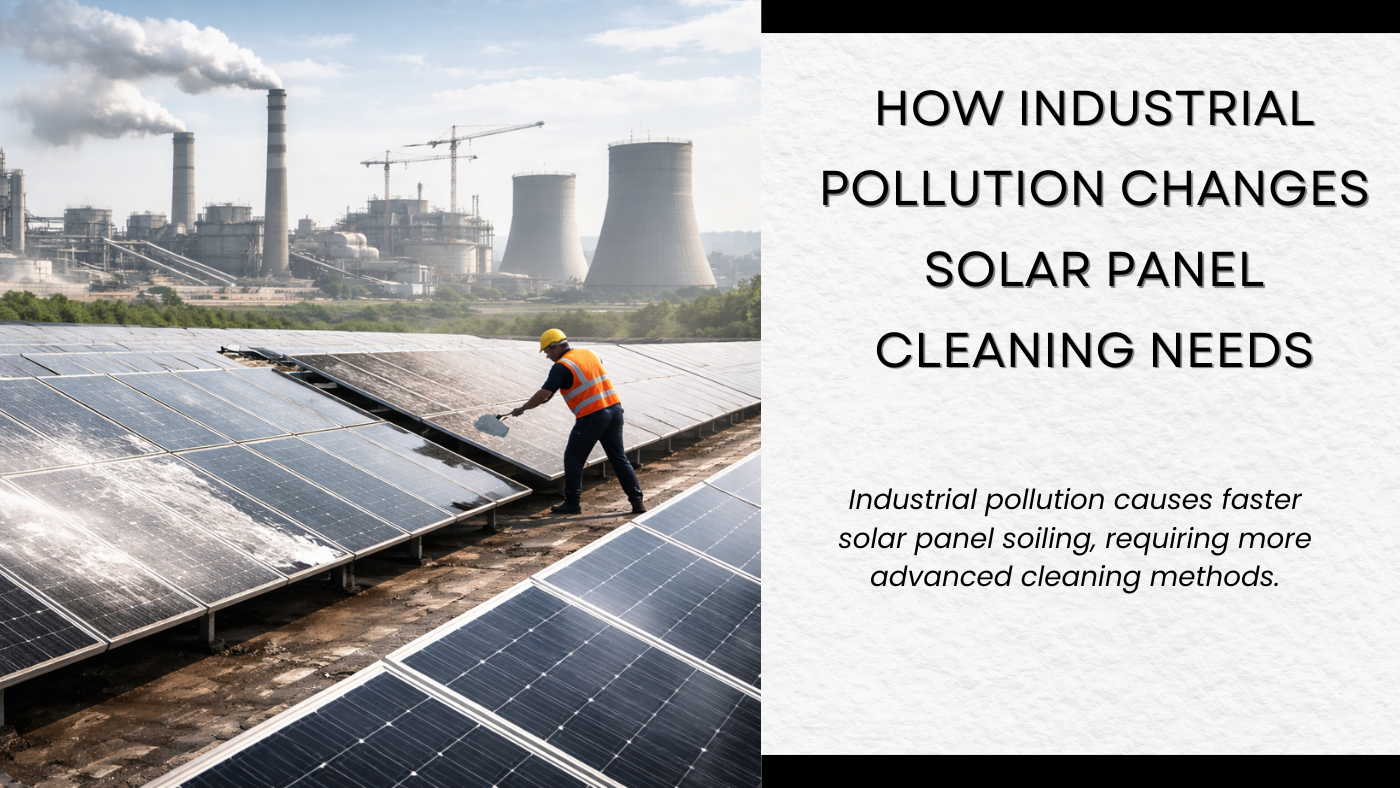
Dust, pollution, humidity, and airborne chemicals interact with the panel surface and frame. Over time, this exposure weakens protective layers and seals.
Electrical Stress
Uneven power generation, partial shading, and cell mismatch increase internal resistance. This adds electrical strain, accelerating performance decline.
None of these factors acts instantly. Degradation builds gradually, making it easy to overlook in the early years.
Types of Solar Panel Degradation
Solar panel degradation does not occur in a single uniform way. Instead, it develops through different technical and environmental mechanisms that affect performance over time. Understanding the various types of solar panel degradation helps system owners identify potential risks, monitor efficiency trends accurately, and maintain long-term energy output more effectively.
| Type of Degradation | Description |
|---|---|
| Light-Induced Degradation (LID) | Occurs during the initial period after installation when panels are first exposed to sunlight. It usually stabilizes after a short phase but contributes to early output reduction. |
| Potential-Induced Degradation (PID) | Happens when voltage differences cause leakage currents within the panel, especially in high-humidity or high-voltage systems. It can lead to noticeable performance loss if not managed. |
| Environmental Degradation | Caused by weather-related stress such as heat, moisture, pollution, and prolonged environmental exposure, leading to gradual surface and internal deterioration. |
| Mechanical Degradation | Microcracks caused by transport, installation stress, wind, or thermal cycling reduce electrical connectivity between cells over time. |
How Degradation Affects Solar Output
Solar panel degradation directly influences overall energy generation and system efficiency over time. As performance gradually declines, even small annual losses can accumulate into significant output reductions. Understanding how degradation impacts solar output helps system owners evaluate long-term energy production, financial returns, and maintenance strategies more accurately.
Gradual Reduction in Energy Generation
The most direct effect is reduced power output. Each year, panels generate slightly less electricity than before.
Uneven Performance Across Modules
Not all panels degrade at the same rate. This creates an imbalance within the system, affecting overall efficiency.
Long-Term Performance Decline
If left unmanaged, degradation compounds with other factors like soiling and electrical losses, resulting in noticeable long-term output reduction.
This is why performance monitoring is essential, even when systems appear visually intact.
Common Factors That Increase Degradation Rate
Some conditions accelerate degradation beyond expected levels:
- High ambient temperatures
- Heavy air pollution and dust
- Coastal or high-humidity environments
- Poor installation practices
- Inadequate system grounding
- Irregular maintenance
These factors do not cause immediate failure but increase the speed at which panels lose efficiency.
Degradation vs Soiling vs System Losses
It is important to distinguish degradation from other performance issues.
- Degradation is permanent and progressive
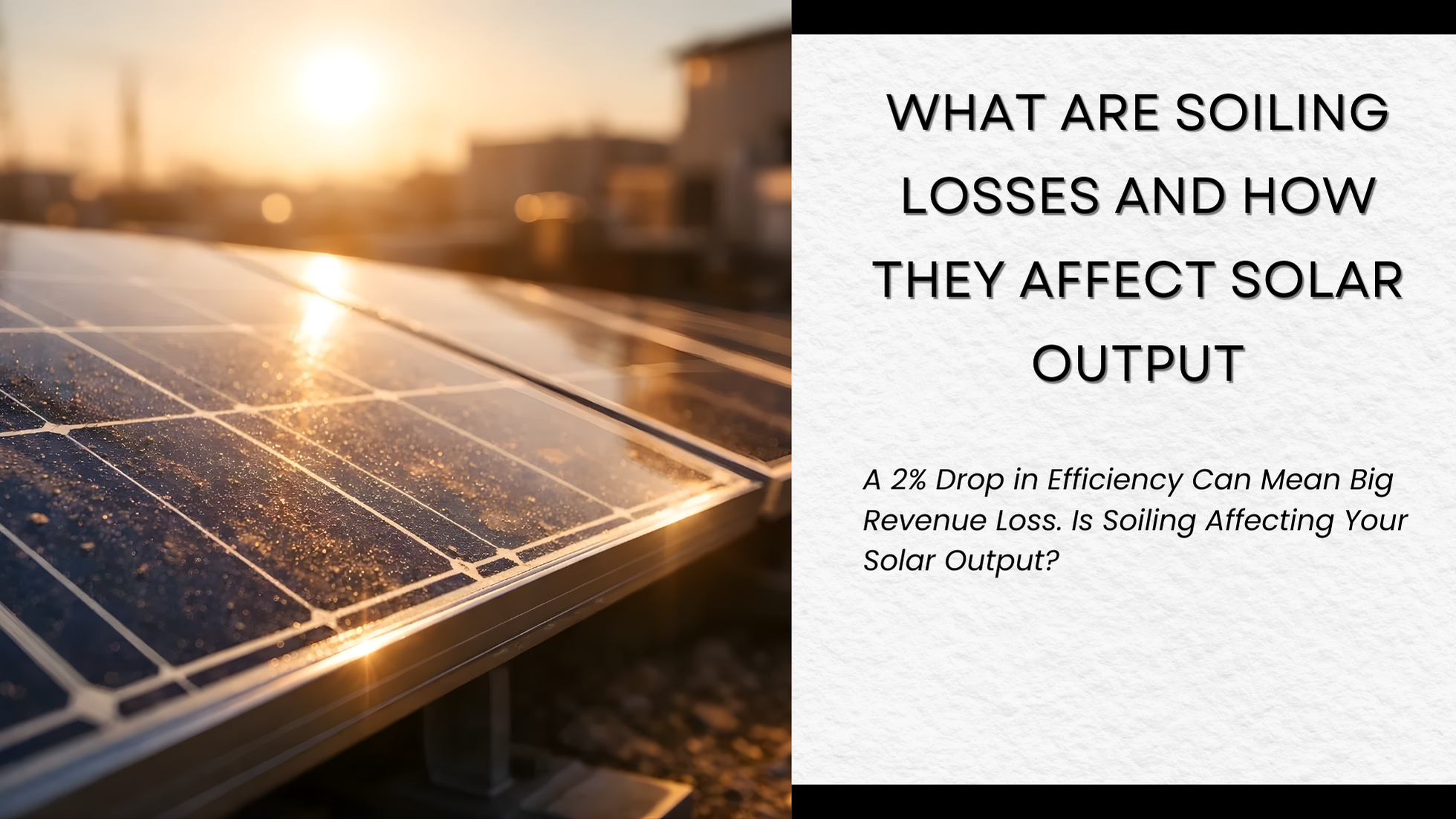
- Soiling losses are reversible through cleaning
- System losses arise from wiring, inverter inefficiencies, or shading
Many system owners confuse these, leading to incorrect conclusions about panel health.
How Solar Panel Degradation Is Measured
Degradation is usually measured as an annual percentage loss in output compared to original capacity. This is observed through:
- Long-term performance data
- Performance ratio (PR) trends
- Year-on-year energy generation comparison
Small annual losses may seem insignificant, but become substantial over 15–25 years of operation.
Why Degradation Feels “Invisible” to Most Users
Unlike mechanical systems that show clear wear, solar panels degrade quietly. There are no warning lights or visible signs in most cases. By the time users notice reduced savings or lower output, degradation has already progressed for years. This delayed visibility is why awareness matters more than reaction.
Managing Degradation Through System Care
While degradation cannot be eliminated, its impact can be managed by:
- Ensuring proper installation and grounding
- Monitoring system performance regularly
- Addressing soiling and shading issues early
- Maintaining electrical balance within the system
These steps do not stop degradation but prevent it from accelerating unnecessarily.
Key Takeaways on Solar Panel Degradation
Solar panel degradation is a natural part of long-term solar operation. It does not indicate failure, but it does affect performance, planning, and returns over time. Understanding how and why degradation occurs allows system owners to interpret performance data correctly, separate permanent losses from temporary issues, and make informed decisions about maintenance and expectations. Awareness of degradation transforms solar ownership from passive use into informed system management—ensuring stable, predictable energy generation over the years.
Protect Solar Panel Efficiency with the Right Cleaning Solutions
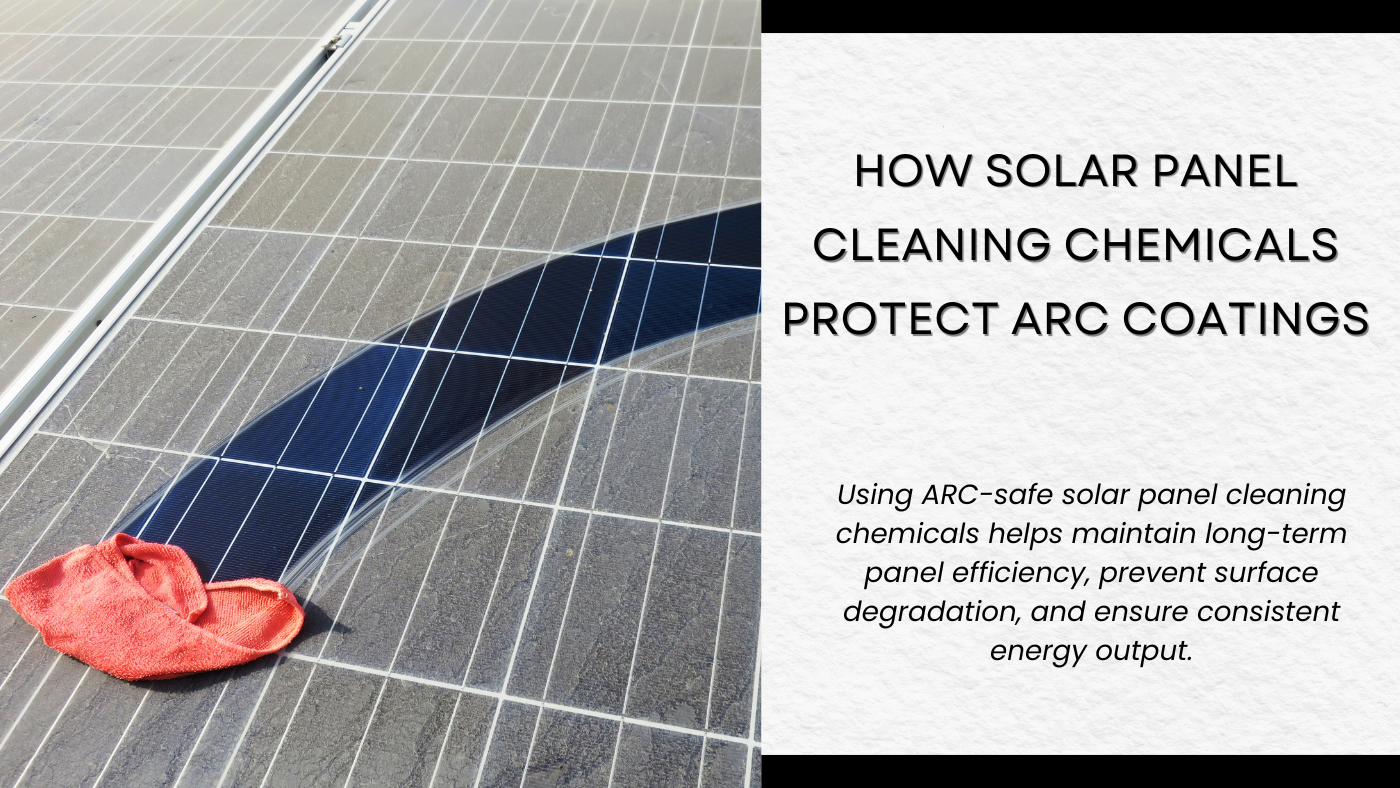
For optimal long-term performance, regular maintenance and proper cleaning are essential. Solargent offers eco-friendly solar panel cleaning chemicals designed to enhance energy efficiency and protect solar panels from performance loss caused by surface buildup and environmental exposure.
Frequently Asked Questions