Solar energy systems are often promoted as low-maintenance investments. While it’s true they don’t require daily attention, assuming they can perform optimally without regular care is a costly mistake. Over time, neglecting solar panel maintenance directly affects power generation, financial returns, and even system safety. What looks like a small operational oversight can quietly erode the value of a solar installation.
Why Solar Panel Maintenance Is Often Overlooked
Many system owners believe solar panels are “fit and forget” assets. A few common misconceptions drive this mindset:
- “Panels are self-cleaning” – Rainwater may wash off loose dust, but it cannot remove sticky grime, bird droppings, or industrial residues.
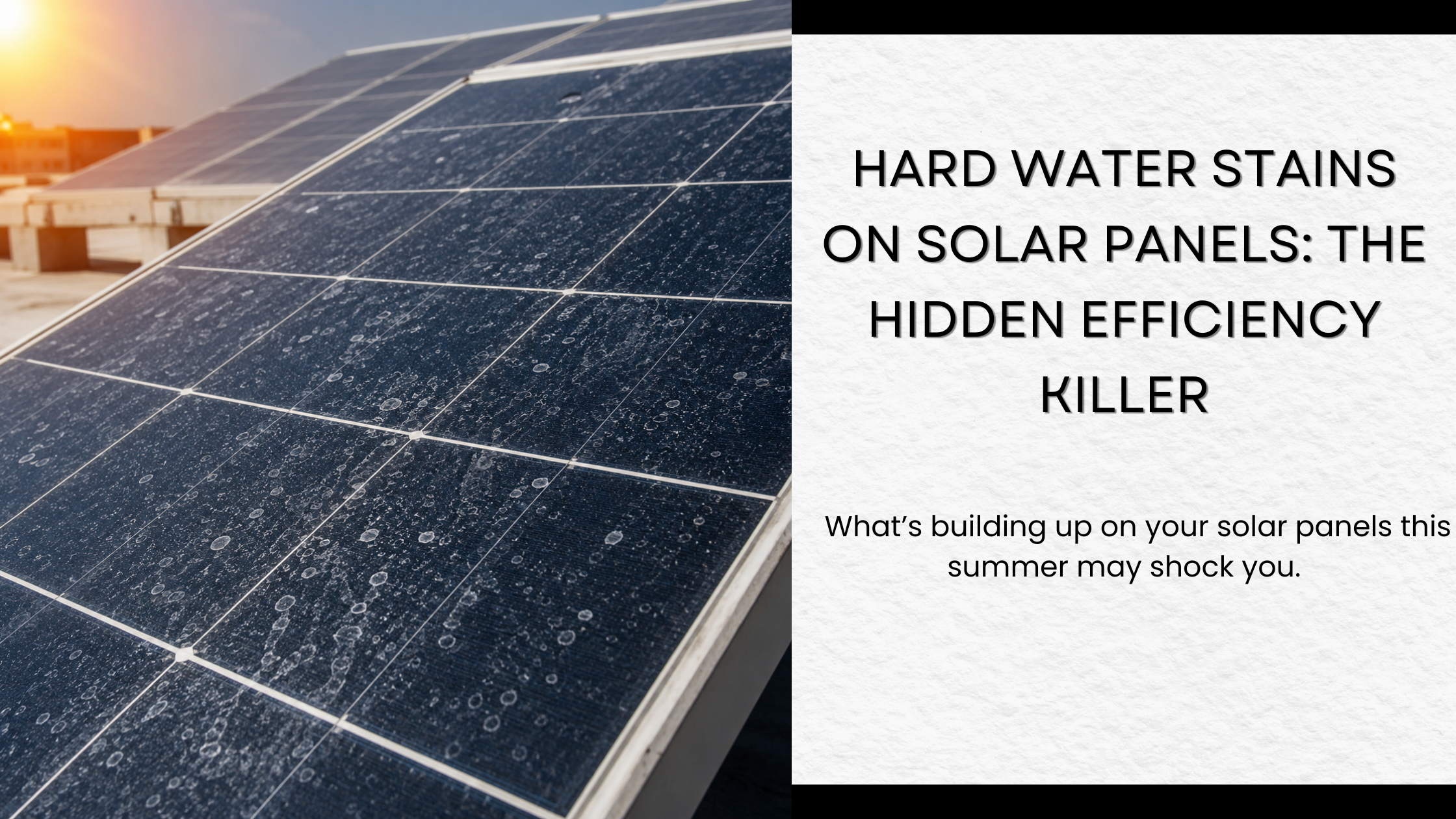
- Over-reliance on rainfall – In many parts of India, rain leaves behind mineral deposits that worsen panel soiling.
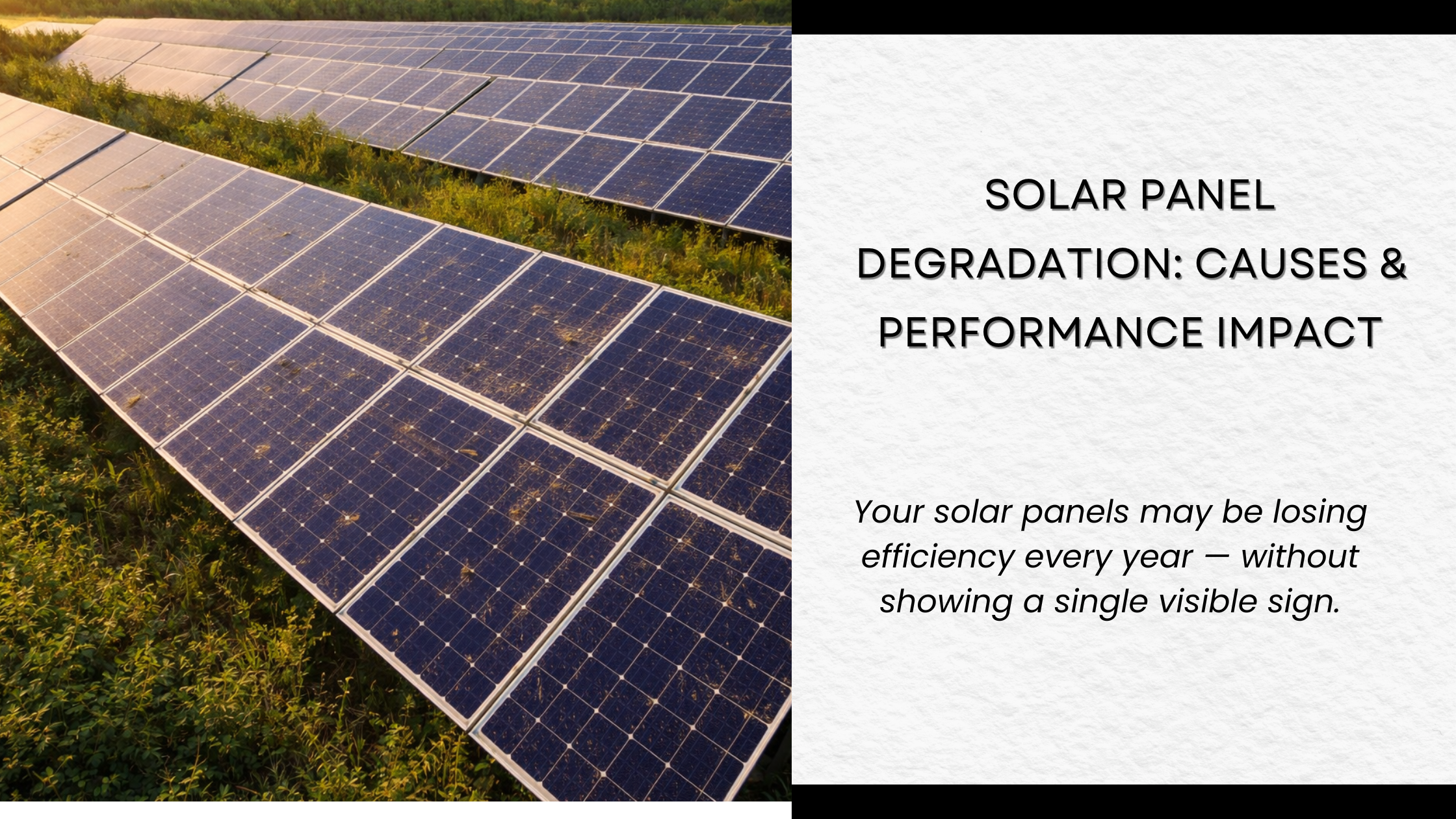
- Lack of awareness – Gradual efficiency loss isn’t immediately visible on a monthly bill, so the problem often goes unnoticed until losses become significant.
How Dirt and Pollution Impact Solar Panel Performance
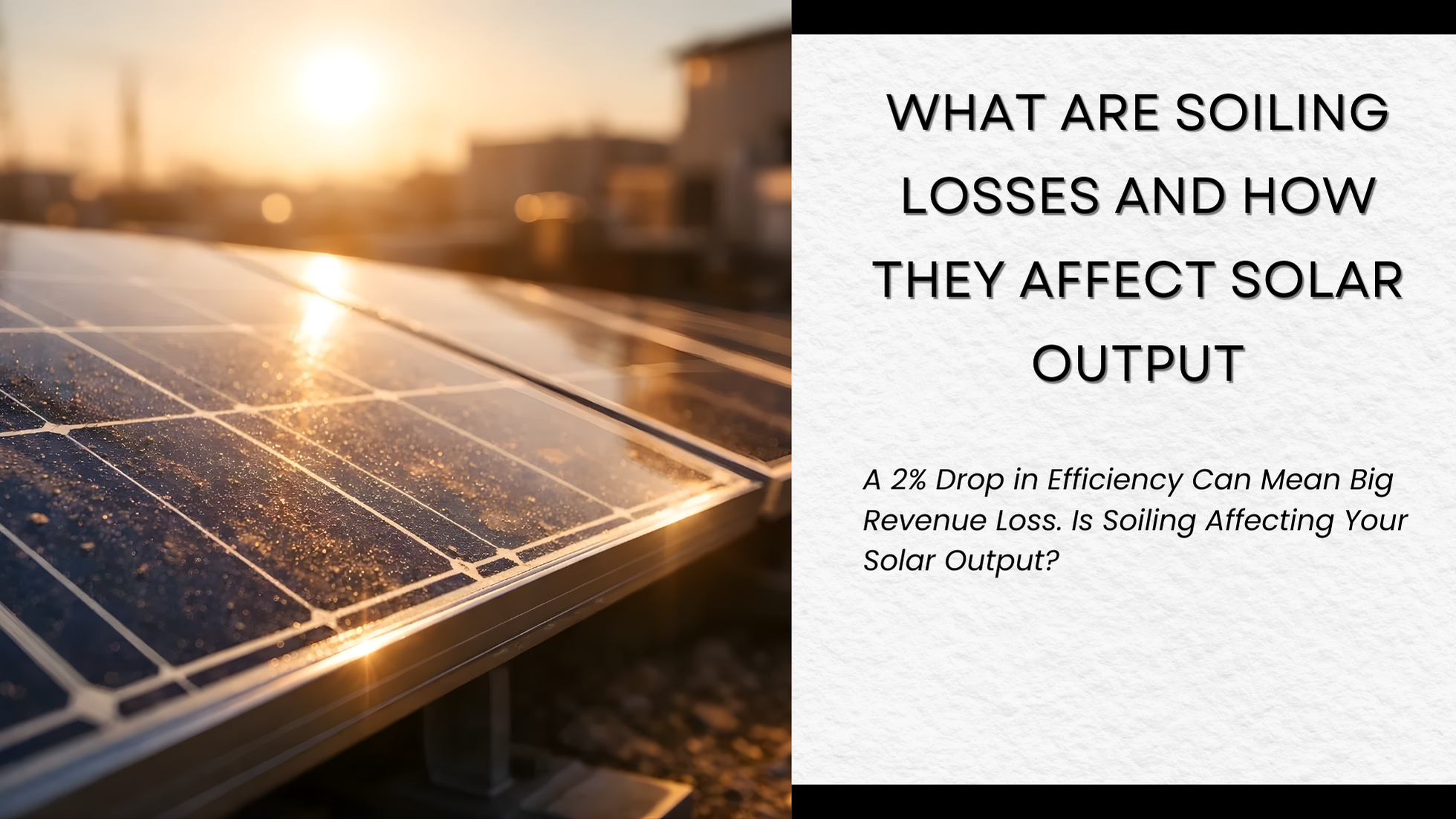
Solar panels work by absorbing sunlight. Any obstruction between the sun and the panel surface reduces output.
Common contaminants include:
- Dust and sand particles
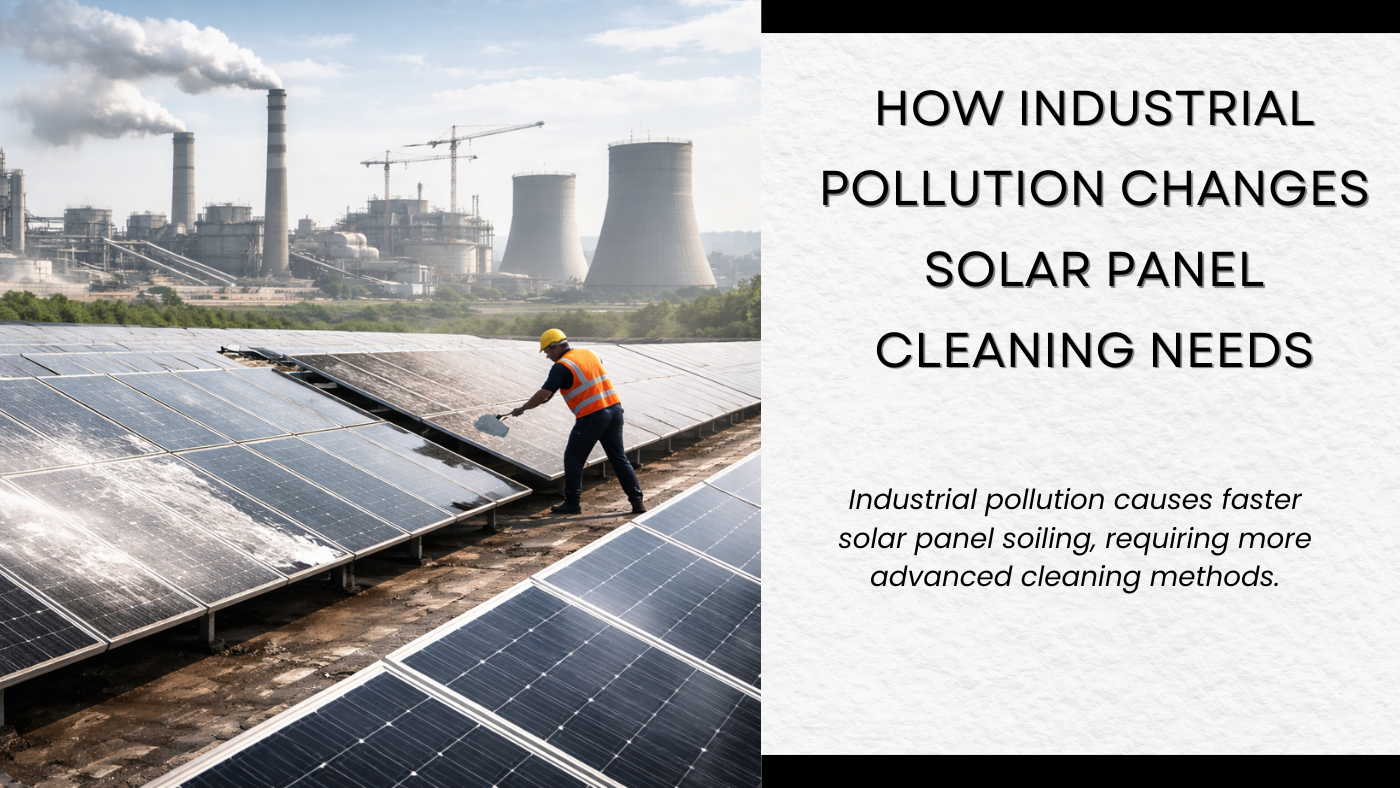
- Pollution residues from traffic and industries
- Bird droppings and organic matter
- Oily or chemical deposits in industrial zones
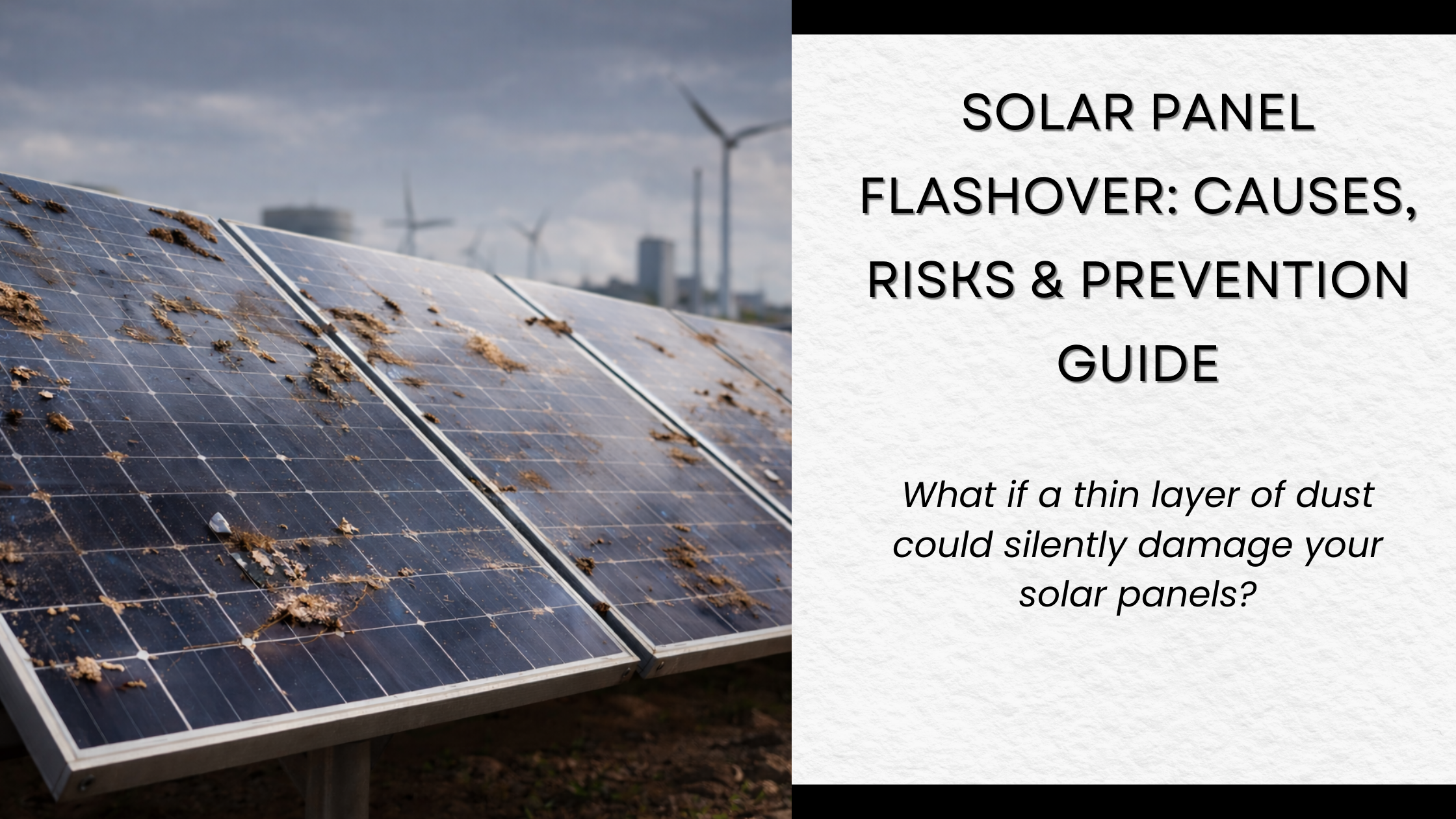
These layers block light absorption and can lead to 10–30% power loss over time. Worse, uneven dirt accumulation can cause hotspots, increasing the risk of micro-cracks, insulation failure, and flashover incidents in high-voltage systems.
Solar Panel Cleaning as a Core Part of Maintenance
Cleaning is not cosmetic—it’s preventive maintenance.
- Water-only cleaning may remove loose dust but fails against grease, hardened deposits, and pollution films.
- Improper cleaning can push dirt across the surface, causing micro-scratches that permanently reduce efficiency.
This is where solar panel cleaning chemicals play a crucial role. Proper formulations break down stubborn residues without damaging module-friendly surfaces, restoring lost efficiency safely.
The Hidden Financial Cost of Ignoring Maintenance
Skipping regular maintenance impacts finances in ways many system owners underestimate:
- Lower energy output increases the system’s payback period
- Higher operational stress leads to faster component degradation
- Premature replacement costs rise due to long-term surface damage
Over the years, neglected panels may generate far less than projected, turning a high-ROI investment into an underperforming asset.
Risks of Improper or Infrequent Cleaning
Maintenance done incorrectly can be just as damaging as no maintenance at all:
- Dry dust wiping causes surface scratches.
- Hard water usage leads to mineral scaling and permanent marks.
- Incorrect chemicals or tools can damage module-friendly surfaces.
In many cases, such practices can void manufacturer warranties, exposing owners to avoidable repair or replacement expenses.
Why Specialized Solar Panel Cleaning Chemicals Matter
Not all cleaning agents are suitable for solar modules. Purpose-built solutions offer clear advantages:
- Safe for module-friendly surfaces
- Enhanced dust and residue removal
- Reduced risk of flashover and surface damage
- Lower cleaning frequency and reduced water usage
- Eco-friendly formulations aligned with sustainable energy goals
These chemicals are designed to clean effectively without compromising panel integrity or environmental safety.
How Often Should Solar Panels Be Cleaned?
Cleaning frequency depends on installation type and location:
- Residential rooftops: Once or twice a year
- Industrial rooftops: Every 3-6 months, depending on dust deposition frequency
- Solar farms: As per dust load and generation data
In India, regions with high dust, pollution, coastal salinity, or industrial activity require more frequent cleaning. Seasonal factors like summer dust storms and post-monsoon residue buildup also influence schedules.
Best Practices for Effective Solar Panel Maintenance
To maintain consistent performance:
- Conduct routine visual inspections
- Use eco-friendly solar panel cleaning solutions
- Avoid abrasive tools or untreated hard water
- Decide between trained in-house teams or professional service providers based on system size and risk level
Documenting cleaning cycles and output data helps optimize maintenance planning.
Long-Term Benefits of Regular Solar Panel Maintenance
Consistent care delivers measurable advantages:
- Stable and predictable power generation
- Longer panel lifespan
- Lower operating and replacement costs
- Improved return on investment over the system’s lifetime
Well-maintained panels not only perform better—they protect the financial logic of going solar.
Final Thoughts – Maintenance Is an Investment, Not an Expense
Neglecting solar panel maintenance does not lower costs; it gradually reduces system performance, efficiency, and long-term value. Regular, preventive care plays a critical role in maintaining optimal power output, protecting panel surfaces, and extending overall system lifespan. When approached correctly, solar panel cleaning becomes a strategic component of asset management—helping safeguard investment value and maximize return on investment over time, especially under India’s demanding environmental conditions.
Take the Next Step Toward Better Solar Performance
Your solar panels may be losing efficiency without you knowing it. Clean them with a high-performance solar panel cleaning chemical to restore power, protect panel life, and maximize long-term returns.
Contact our team today for expert guidance and timely solar care.
Frequently Asked Questions (FAQs)
1. How do dirty solar panels affect power generation?
Dirty solar panels block sunlight, reducing energy absorption and leading to power losses of up to 10–30%. Dust, pollution, and bird droppings also increase hotspot and flashover risks, especially in industrial and utility-scale installations.
2. Can solar panels be cleaned with only water?
Water-only cleaning removes loose dust but does not eliminate oily pollution, cement residue, or hardened grime. In many regions, hard water leaves mineral stains, making professional solar panel cleaning chemicals more effective and safer.
3. What are the risks of improper solar panel cleaning?
Improper cleaning methods—such as dry dust wiping, abrasive brushes, or incorrect chemicals—can cause micro-scratches, mineral scaling, and module-friendly surface damage. These issues may permanently reduce efficiency and even void manufacturer warranties.
4. Do solar panel cleaning chemicals damage panel surfaces?
Certified products such as SolarGent solar cleaning chemicals are designed to be safe for module-friendly surfaces. Problems usually arise when unapproved detergents, acidic cleaners, or abrasive tools are used instead of purpose-built solutions.
5. How much does solar panel cleaning cost in India?
The solar panel cleaning cost depends on system size, location, dust levels, and cleaning frequency. Residential systems generally have lower costs, while industrial and utility-scale plants incur higher costs due to manpower, equipment, and chemical usage. However, regular cleaning reduces long-term operational losses.
6. Does regular cleaning reduce long-term solar panel cleaning cost?
Yes. While cleaning involves an upfront solar panel cleaning cost, regular maintenance prevents efficiency losses, reduces repair risks, and extends panel lifespan—resulting in significantly lower lifetime operating costs and improved return on investment.